



Dangerously hot conditions will move west across the U.S. this week with temperatures surging to triple digits and an increased risk of wildfires and their accompanying toxic smoke.
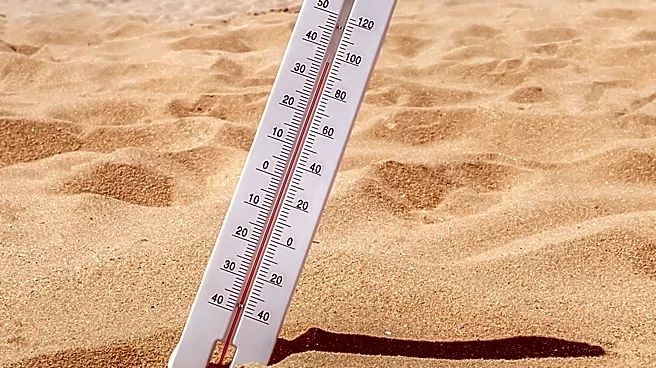
"A heat dome over the Texas Panhandle will push into the Southwest U.S. late this week," said Chad Merrill, senior meteorologist for AccuWeather. "High temperatures from the Southwest into Oklahoma and Texas will be between 100-111 degrees."
As the dome pushes west, the temps will follow. "On Thursday, highs in the lower 100s will expand through California's San Joaquin and Sacramento valleys with 110-120 degrees for southern California's deserts," said Merrill.
AccuWeather expects temperatures to surge well above normal across much of the Southwest and interior California,
where many communities could see their hottest weather of the year so far.
What does the heat dome mean for US weather?
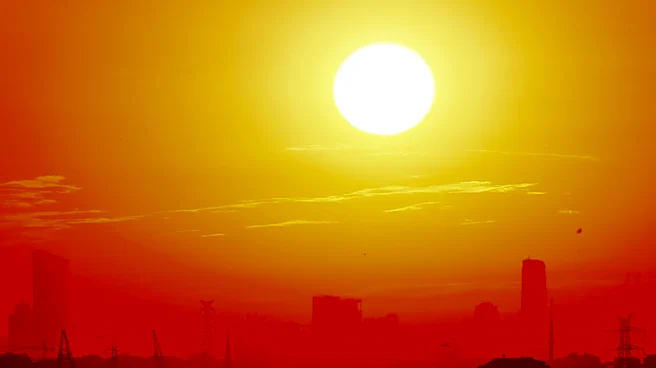
A heat dome acts like a lid on the atmosphere, trapping heat over the same region for an extended period. "Heat domes are caused by a strong high pressure that extends over a large area and feeds on the heat and even expands a bit," said AccuWeather Senior Meteorologist Alan Reppert. These large zones of hot air result in a combination of blistering temperatures, devastating wildfires and drought conditions. Here's how the weather is expected to change this week:
High temperatures and winds increase wildfire risk
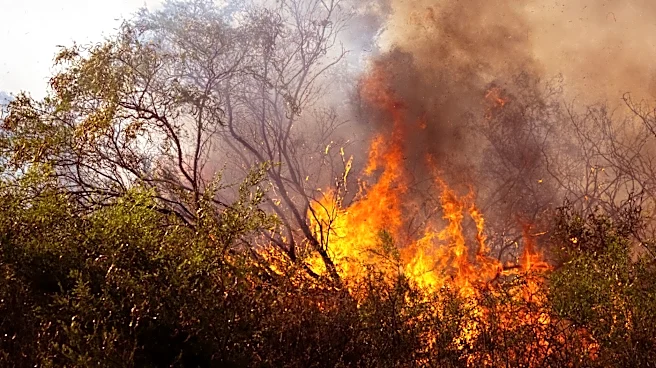
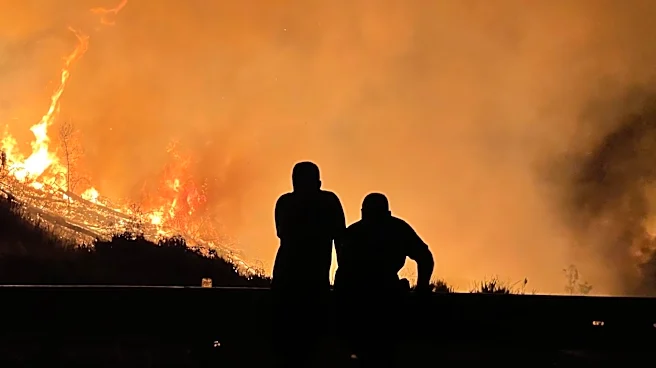
With the high temperatures and dry air from the heat dome, the risks of wildfires increase. "The risk will be very high the rest of the week into the weekend east of the Cascades in Washington and Oregon, north into British Columbia, Canada, where several large wildfires are currently burning," said Merrill. "The risk will also be higher in the Sierras, Great Basin, through much of the hills and mountains in southern California and northern part of the Rockies," said Merrill.
Into the weekend, Northwest fires could spread into Idaho and Montana as the winds pick up substantially, said Merrill.
Where wildfire smoke will be the worst
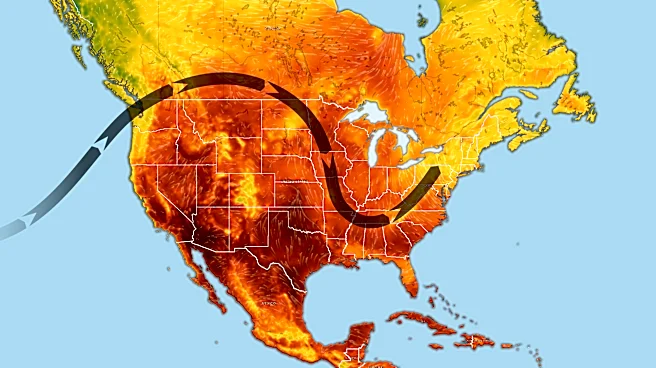
Wildfire smoke will be the most intense in the Northwest into the Dakotas and Northeast into August, according to AccuWeather.
Air quality concerns will be most pronounced in the Northwest, said Merrill, but also localized smoke could develop from new fires in the Sierra, Great Basin, southern California's mountains and northern part of the Rockies late this week into the weekend.
"The Northeast saw some relief from smoke thanks to rainfall in Ontario, Canada, but we expect these fires will continue unabated for the next few weeks and based on our forecast for the jet stream pattern, the smoke will push across these areas."
Where Canadian fires are located
This week's heat dome will likely intensify wildfire activity in the Northwest and Canada, said Merrill.
Where the US is impacted by wildfire smoke
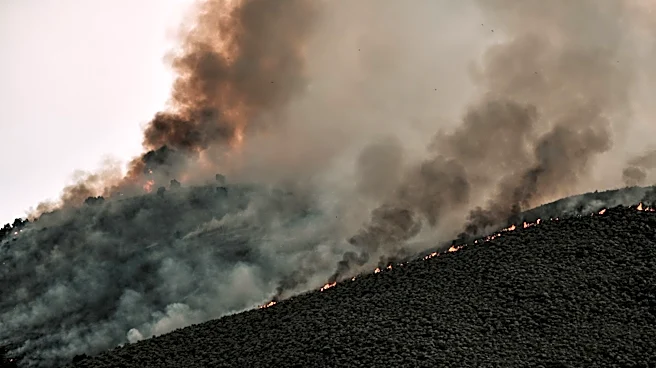
The fires continue to expand, putting nearby communities at risk and sending smoke across portions of the United States and Canada, where air quality is expected to deteriorate, according to AccuWeather.
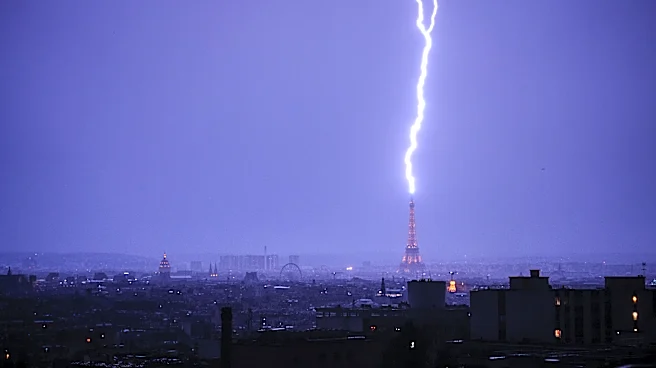
"Many of the lightning-caused fires were sparked during the North American monsoon thunderstorms that were most active over the past week," AccuWeather Meteorologist Brandon Buckingham said.
Know the signs of heat stroke, heat exhaustion
According to the National Weather Service’s Weather Prediction Center, a large area of high pressure will keep temperatures well above normal across the Plains, Mississippi Valley and Southeast. Afternoon highs will climb into the upper 90s and low 100s, with some parts of the Desert Southwest potentially reaching 115 to 120 degrees.
Hot, humid conditions make it difficult for the body to regulate its temperature. Your health can depend on recognizing the warning signs of too much heat and knowing how to act.
According to the Centers for Disease Control and Prevention, the following are common signs and symptoms of heat-related illness:
CONTRIBUTING Gabe Hauari/USA TODAY and Brandi D. Addison/USA TODAY NETWORK
This article originally appeared on USA TODAY: Heat dome and wildfire smoke to blanket much of US: See maps