

As early voting begins on Oct. 19, more than 19 million Texans are eligible to vote in the state's midterm elections.
Voter registration is up 2.2% from the November 2024 general election and 2% from the March 2026 primary election, according to the Texas Secretary of State.
"Texas continues to see strong voter registration numbers, and we want every eligible Texan to be prepared to participate in the upcoming election," Texas Secretary of State Robert Howden said. "Whether you are a first-time voter or have been casting ballots for decades, I encourage you to make a plan to vote, familiarize yourself with the candidates and issues on your ballot, and take advantage of the resources available at VoteTexas.gov."
Here's what you need to know about
early voting in Texas.

How long does early voting last in Texas?
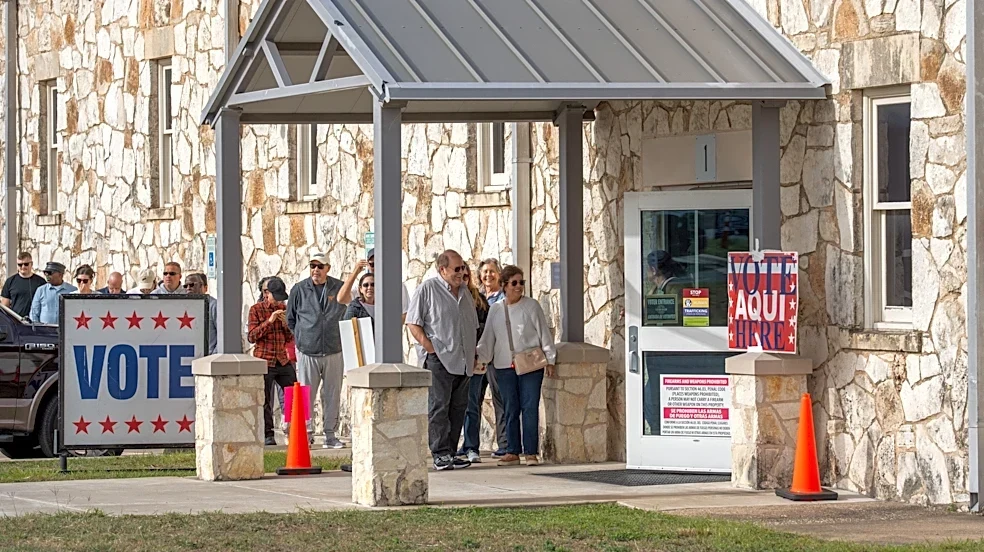
Early voting for the Nov. 3 general election begins Monday, Oct. 19, and continues through Friday, Oct. 30. During early voting, Texans may cast their ballots at any early voting polling location in their county of registration.
"Early voting gives Texans the flexibility to cast their ballots at a time and location that works best for them," Howden said.
How to vote early in Texas?
The Office of the Texas Secretary of State encourages voters to prepare before heading to the polls by reviewing the following information:
- Bring an acceptable form of photo identification. Texas law provides seven acceptable forms of photo ID:
- Texas driver's license
- Texas personal identification card
- Texas election identification certificate
- U.S. passport book or card
- Texas handgun license
- U.S. military identification card with a photograph
- U.S. citizenship certificate with a photograph
- Voters who do not have and cannot reasonably obtain an acceptable photo ID may complete a Reasonable Impediment Declaration and present an approved supporting document.
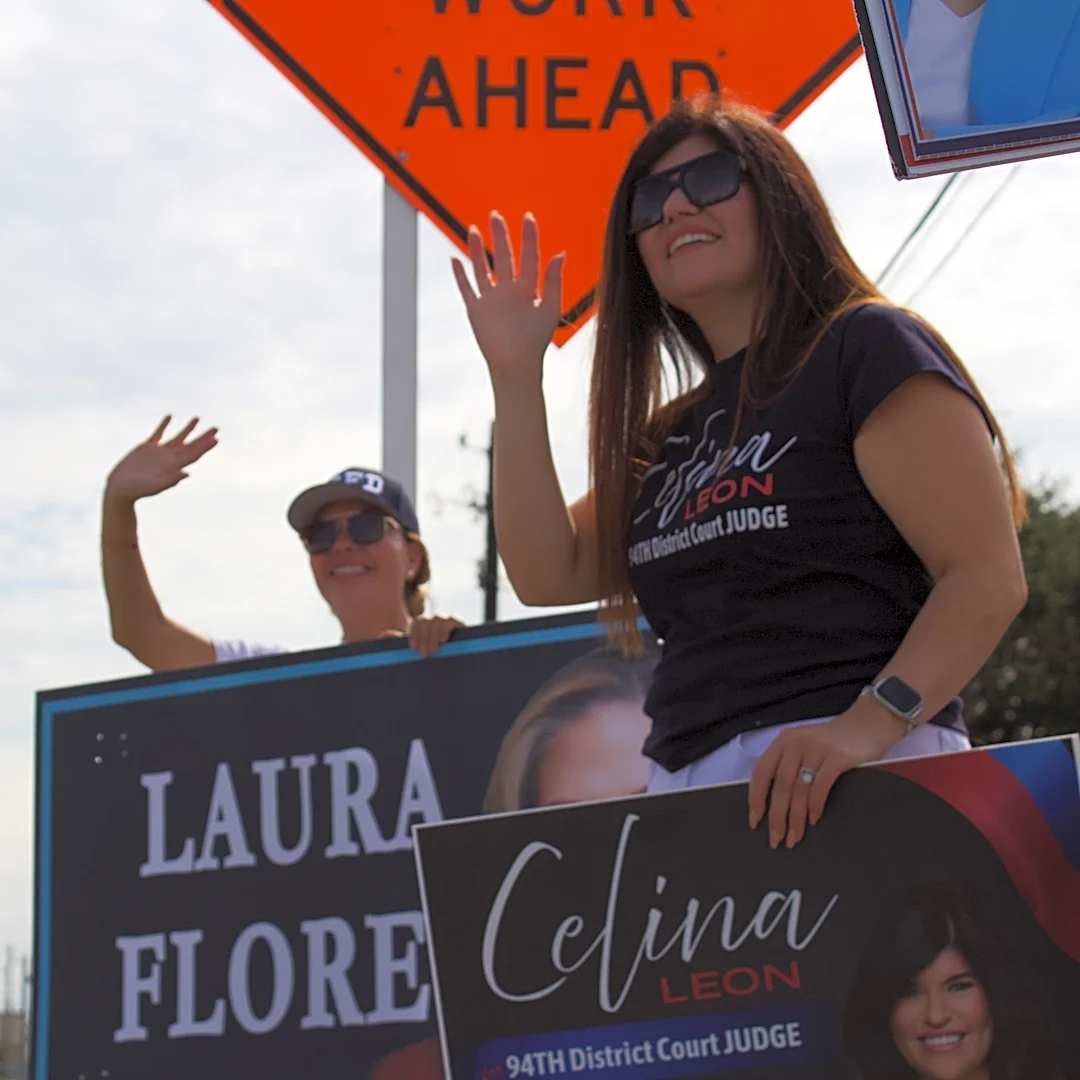
- Leave campaign materials outside the polling place. Texas law prohibits electioneering within 100 feet of an outside door through which a voter may enter a polling place. Voters should avoid wearing or displaying clothing, buttons, hats, or other items supporting or opposing a candidate, political party, or measure.
- Put away phones and other electronic devices. Texas law generally prohibits the use of wireless communication devices, including cellphones, and devices that can record sound or images within 100 feet of a voting station or the room where voting takes place. Voters may bring printed notes or a paper sample ballot to help them make their selections.
What's on the ballot?
Here's a look at what statewide offices are on the ballot:
- U.S. Senate: Ken Paxton (R) vs. James Talarico (D).
- Governor: Greg Abbott (R) vs. Gina Hinojosa (D).
- Lieutenant Governor: Dan Patrick (R) vs. Vikki Goodwin (D).
- Attorney General: Mayes Middleton (R) vs. Nathan Johnson (D).
- Comptroller of Public Accounts: Don Huffines (R) vs. Sarah Eckhardt (D).
- General Land Commissioner: Dawn Buckingham (R) vs. Benjamin Flores (D).
- Agriculture Commissioner: Nate Sheets (R) vs. Clayton Tucker (D).
- Railroad Commissioner: Bo French (R) vs. Jon Rosenthal (D).
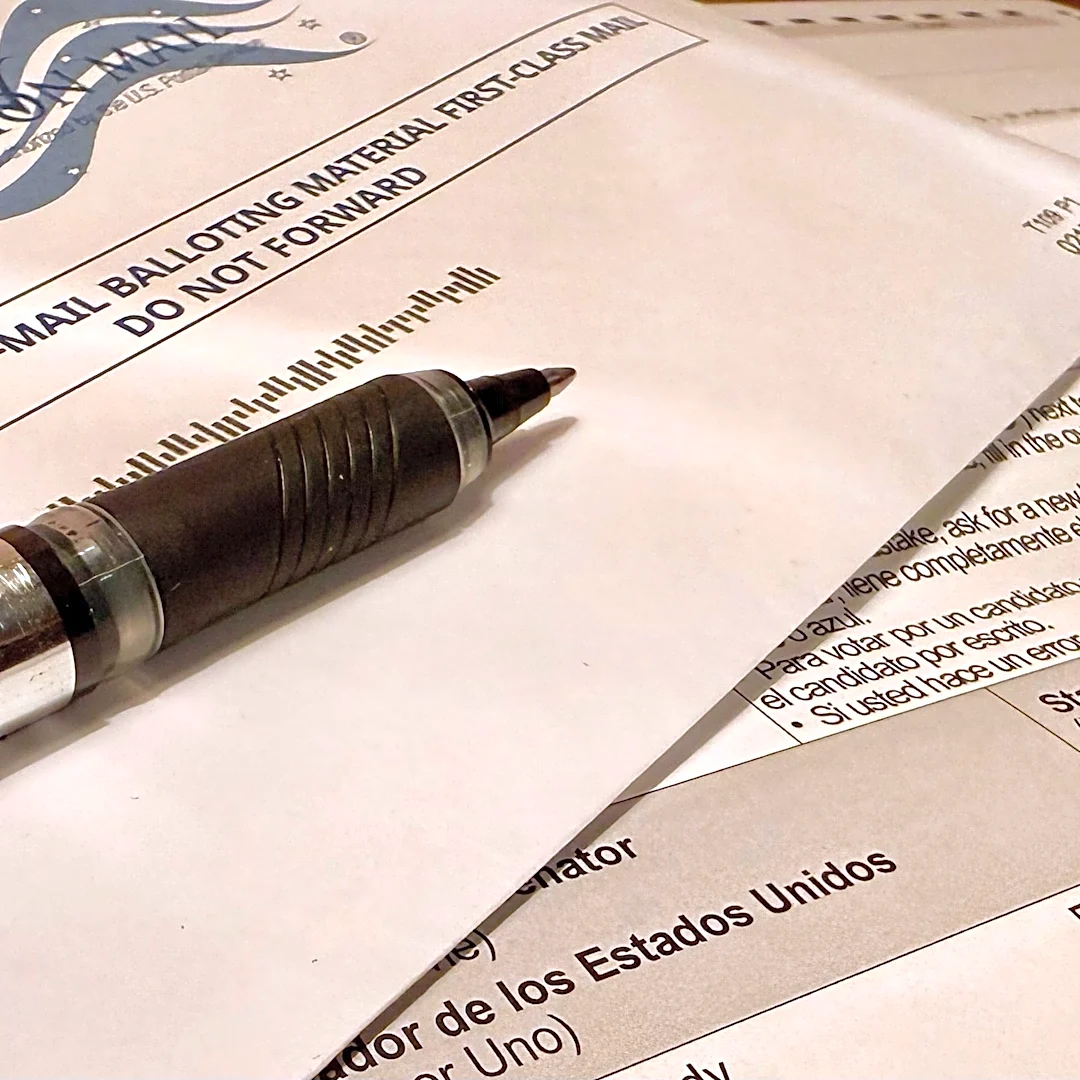
Additionally, all 38 Texas U.S. House seats are on the ballot. Check with your local elections office for a sample ballot and to see what local elections are on your ballot.
Mateo Rosiles is the Texas Connect reporter for USA TODAY and its regional papers in Texas, based in Austin. Got a news tip for him? Email him at mrosiles@usatodayco.com.
This article originally appeared on USA TODAY: Texas hits more than 19 million registered voters as early voting opens