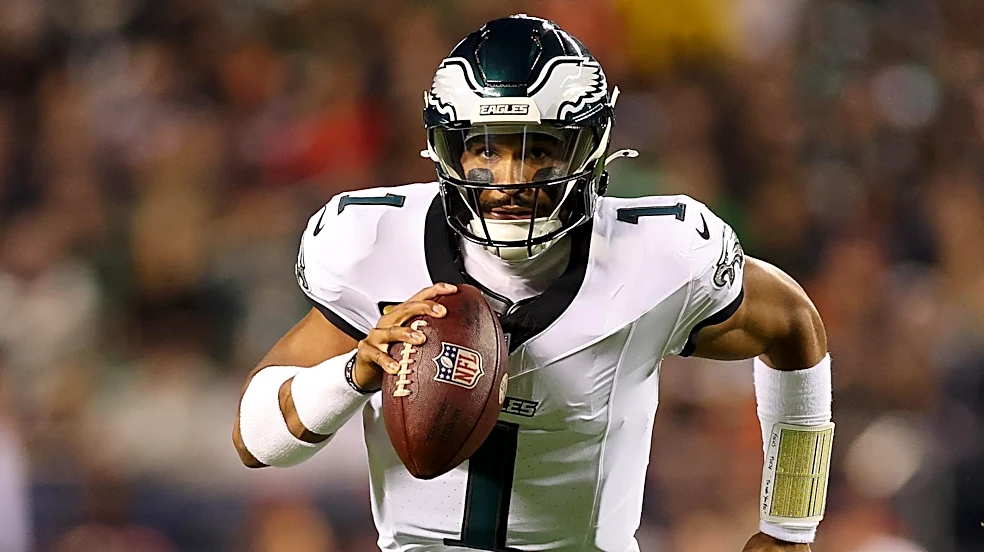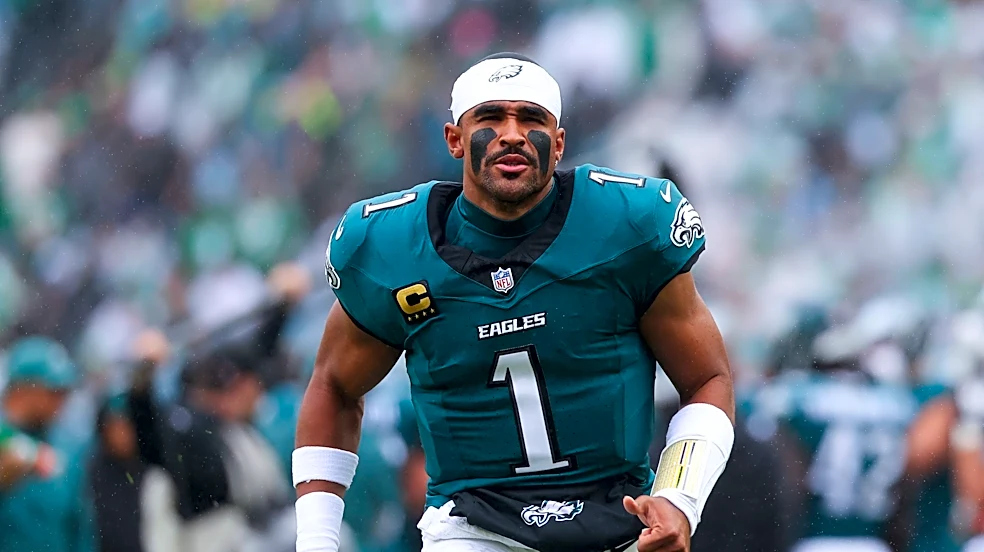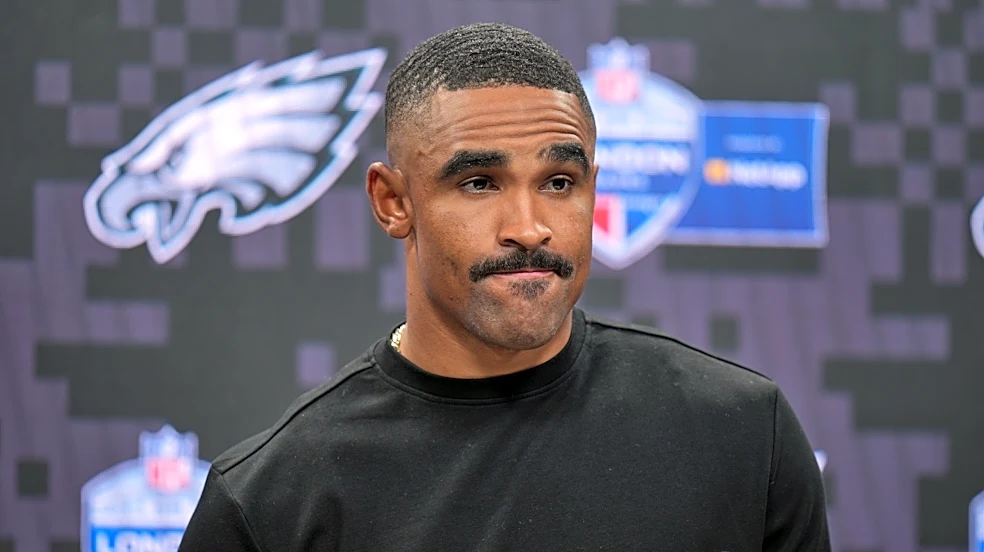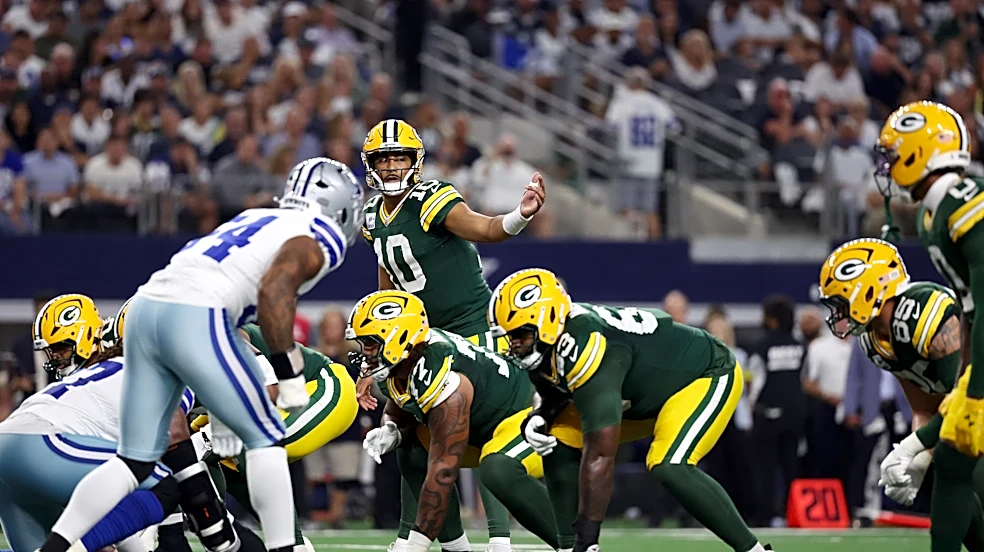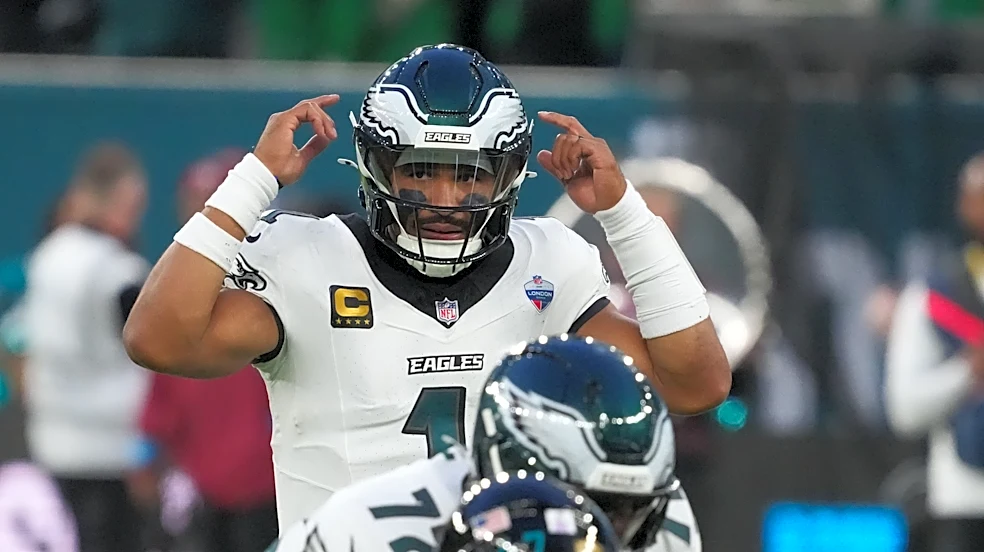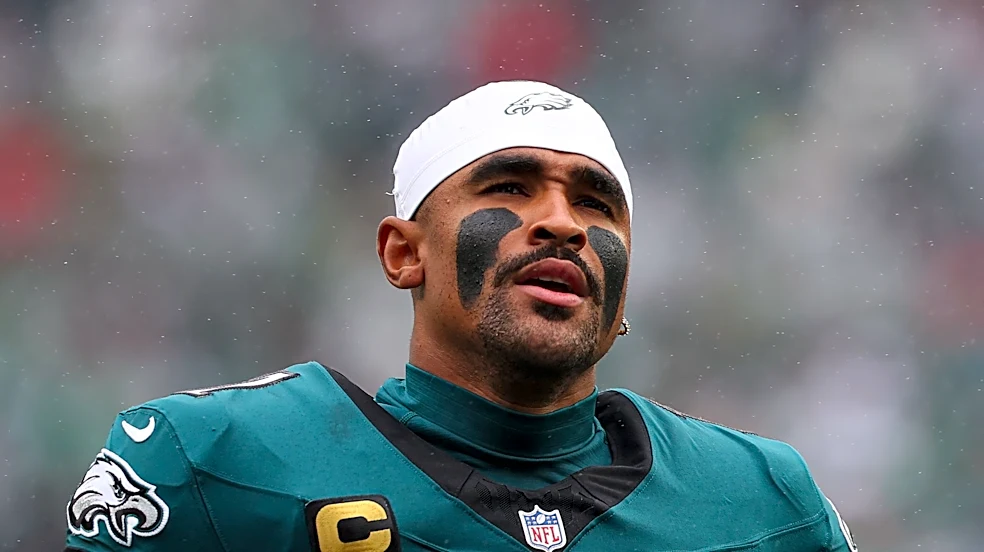



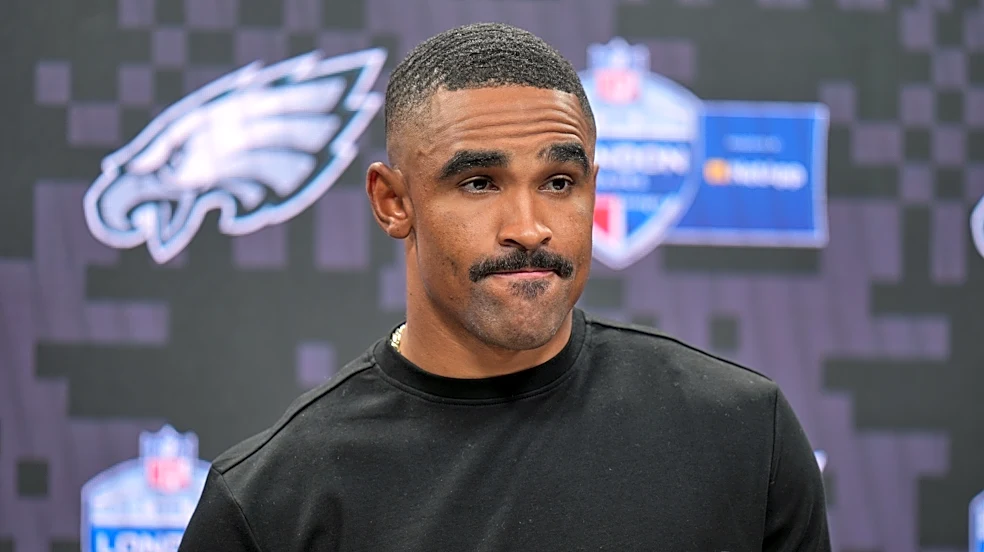
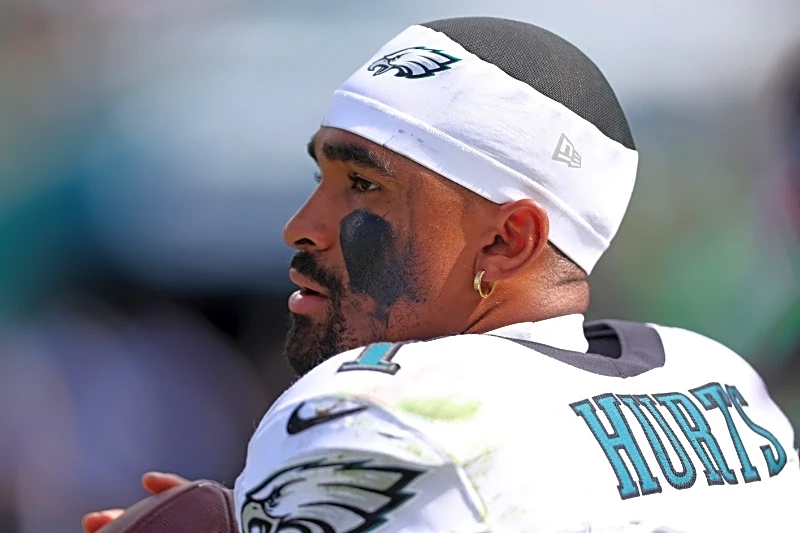
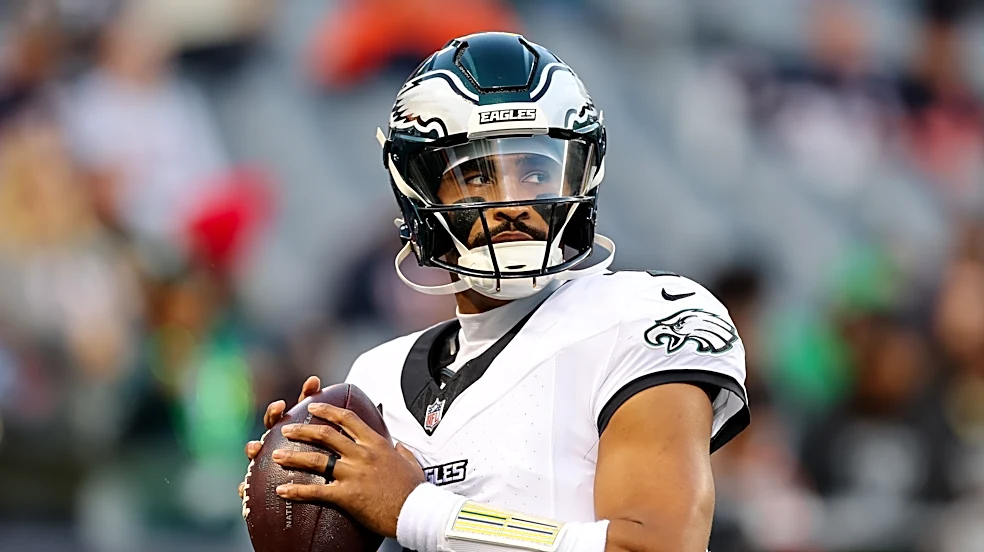

Philadelphia Eagles quarterback Jalen Hurts' blood clotting progressed into deep-vein thrombosis and bilateral pulmonary emboli, according to a statement released Monday, Oct. 19, by the team and Hurts' agent Nicole Lynn.
Hurts was initially diagnosed with a superficial blood clot in his left calf, the team announced Oct. 15. Superficial blood clots are generally less dangerous than deep-vein thrombosis (DVT), but they are not considered harmless, according to Dr. Rushad Patell, the Director of Clinical and Translational Research of Benign Hematology at Beth Israel Deaconess Medical Center in Boston, Massachusetts, and an assistant professor of medicine at Harvard Medical School.
It's also possible, according to Patell, for a superficial clot
to progress into a deep-vein thrombosis.
Superficial blood clots "can extend into the deep venous system, particularly when they are extensive (involve longer segments of the veins) or located close to where the superficial and deep veins connect," Patell wrote to USA TODAY Sports in an email Oct. 15.
"They can also occur alongside DVT, which carries a risk of pulmonary embolism, which is when a clot migrates to the lungs, a potentially life-threatening complication."
That is what developed in Hurts' case after he played Oct. 4 against the Jacksonville Jaguars in London, England, despite an initial ultrasound first revealing the clot.
"Some cases are relatively low risk and require only symptomatic treatment, while others warrant anticoagulation because of their extent, location, or potential for progression," Patell wrote.
What leads to a blood clot diagnosis change
Repeat imaging is often necessary and can sometimes identify changes that lead clinicians to reconsider the initial management strategy. Furter testing on Huts also revealed bilateral pulmonary emboli – meaning the quarterback has blood clots in both lungs.
Decisions about athletic participation are individualized and depend on several factors, including symptoms, clot characteristics, and whether anticoagulation medication – blood thinners – is required. Hurts is now on blood thinners, according to the Oct. 19 statement, and is expected to make a full recovery.
"His prognosis is good," the statement read.
Dr. Jordan Schaefer, a hematologist at the University of Michigan Health System and associate professor of internal medicine at the University of Michigan Medical School, said doctors are focused on the length of the clot and which vein is affected. Clots larger than five centimeters in length or those closer to deep-vein system require more aggressive treatment, Schaefer said
“A lot of times, what we’re doing, is kind of following people closely over time. It’s not like a one-time visit and then you’re done. It’s often reassessment in how you’re feeling and a physical assessment of how the leg looks. Is that swelling and redness and exam getting better?”
Blood clot symptoms and risks
All blood clots carry the risk of breaking loose and moving toward the lungs and heart. An individual could have both at same time and ultrasounds can be used to discover either type of clot. Schaefer said superficial clots still matter, not only because of the symptoms, but 10 percent of patients experience the clot moving to the deep-vein system.
Deep-vein thrombosis, which occurs in deeper veins in legs, is considered more dangerous because the clot is more likely to break loose and travel to the lungs and cause a pulmonary embolism, which is potentially fatal.
NFL insider Tom Pelissero reported Oct. 19 that Hurts did not sleep before playing against the Jaguars, though Lynn later disputed that.
"After initially being diagnosed with a superficial blood clot in London, doctors told him not to sleep as a precaution, so he had been awake for roughly 36 hours when he started against the Jaguars, throwing for 220 yards and a TD," Pellissero posted on social media.
A lack of sleep and immobility can also contribute to lack of blood flow, which is a contributing factor in clotting.
This article originally appeared on USA TODAY: How did Jalen Hurts' blood clot get worse? A Harvard professor explains