
WASHINGTON – President Donald Trump and his political loyalists have been setting the stage to intervene in the Nov. 3 midterm elections by making false claims about the vulnerability of America's electoral
system to foreign meddling – including by China – and hiding less alarming current intelligence from the public, according to the Democratic leaders of the House and Senate intelligence committees.
They're concerned the Trump administration is planning to use the pretext of foreign interference to seize ballots in some closely contested races, if Democrats win, or even impound voting machines before the polls close. And they're taking concrete steps, largely behind the scenes, to thwart such efforts.
Rep. Jim Himes of Connecticut and Sen. Mark Warner of Virginia, the top Intelligence committee Democrats, are spearheading the effort. They're working with current and former intelligence and election security officials, legal groups and other stakeholders.
“This is not just a legitimate concern; it's a probable scenario,” Himes told USA TODAY in an interview. "The stage is being set for an announcement that the elections he loses badly were corrupt ... and that the president is going to reject the results of the election."
Himes’ worst fear, he said, is a false Election Day claim by the administration “that the Iranians have compromised the Michigan machines, and therefore DHS is impounding those machines ... and all of a sudden, people in Ann Arbor can't vote. That is an unprecedented moment."
Warner told USA TODAY in an Oct. 1 interview he has lined up prominent former election security, intelligence, law enforcement and military officials to push back on any federal efforts to intervene in the election based on false or exaggerated claims of foreign meddling.
On Oct. 2, Warner and Himes sent Director of National Intelligence Jay Clayton a letter, saying they expect him to give Congress “real-time notification,” if U.S. intelligence agencies uncover any indications of foreign election meddling before Nov. 3 – especially anything related to tampering with election infrastructure, manipulating election results “or otherwise interfering with the integrity of voting.”
“In the absence of such warnings prior to Election Day, we will assume that no such foreign interference has been observed – as the [intelligence community] has consistently assessed going back multiple federal elections,” Himes and Warner wrote.
Clayton's office and the White House did not specifically respond to requests for comments about Warner and Himes' concerns.
Instead, a senior White House official pointed to a White House "Election Integrity" website that contains debunked claims about foreign election interference and a "deep state coverup."
"The documents reveal that foreign adversaries, led by China, have compromised U.S. voter data on a massive scale and that America's election infrastructure remains dangerously vulnerable to hacking and manipulation — intelligence that officials deliberately suppressed," the White House said.
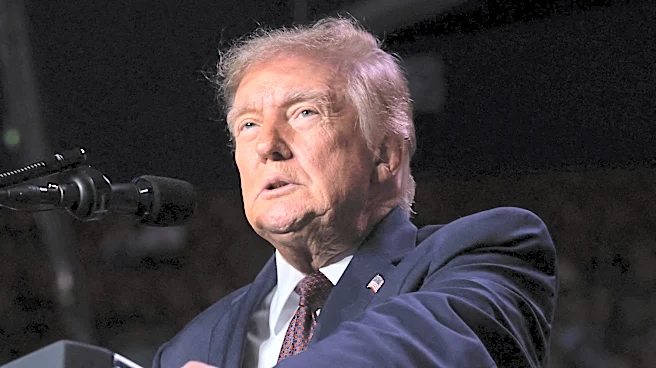
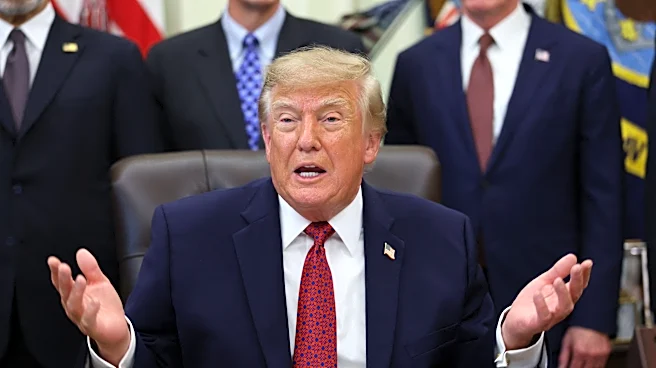
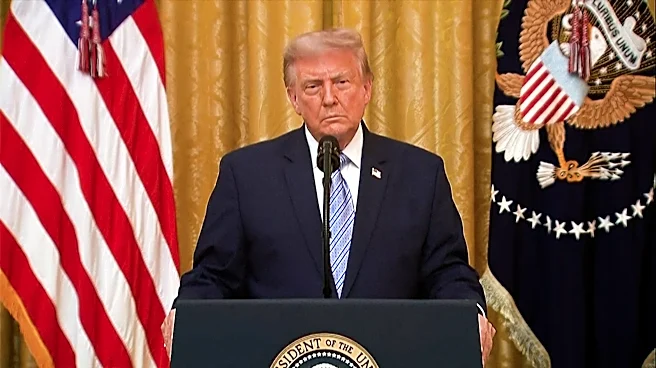
Trump made similar assertions – without offering evidence – in a dramatic July 16 national address to the public from the East Room of the White House. And while he didn’t specifically call for federal intervention in the midterms in that speech, he has floated the idea numerous other times since returning to office in January 2025.
This past January, Trump said in an interview with the New York Times that he regretted not ordering the National Guard to seize voting machines in swing states after his 2020 loss to Democratic rival Joe Biden.
In February, he said Republicans "ought to nationalize the voting" due to concerns about election fraud.
The Republican chairmen on the House and Senate Intelligence Committees, Rep. Rick Crawford and Sen. Tom Cotton − both of Arkansas − did not respond to USA TODAY requests for comment about whether they would support such federal intervention.
The current U.S. intelligence the committees have been briefed on concluded Russia – and to a lesser degree Iran and China – are trying to sway voters through mostly online covert disinformation and propaganda campaigns, according to two congressional officials familiar with the briefings. They spoke on the condition of anonymity to discuss the classified intelligence.
But it’s virtually impossible, Himes and Warner said, for a foreign adversary to hack into the nationwide patchwork of state and local election systems and change votes. Meanwhile, they added, there is no evidence suggesting any foreign government is attempting that.
That's why Trump administration claims of foreign meddling, while refusing to declassify the current threat intelligence, are so suspicious, Warner said.
“For nearly a decade, across administrations of both parties, the intelligence community has declassified information about foreign threats to our elections so the American people can see for themselves what our adversaries are doing and what the intelligence actually shows,” Warner told USA TODAY. “This administration is breaking with that precedent and keeping the public in the dark.”
Intervention by the Trump administration could come in many forms, Warner said, including "attempting to take control of voting equipment, deploying federal agents to polling places or otherwise interfering in elections that are constitutionally run by state and local officials.”
Warner and Himes said the administration's secrecy is what makes such an intervention possible: Without a public accounting of what the intelligence actually shows, there would be little to rebut a claim on Election Day that a foreign adversary had compromised the vote.
By law, the intelligence community must give lawmakers a detailed assessment of foreign threats to federal elections no later than 180 days before Election Day, or May 7, and to update it by Aug. 5.
After much protest by Democrats, members of the House and Senate intelligence committees finally received the report in September.
But the lawmakers were told the administration won’t declassify any of the intelligence information so that the public can understand the threat, and what form it might take, Warner said.
That's a sharp break from U.S. elections dating back to at least 2016 in which intelligence officials publicly alerted voters to covert influence operations to sway voters, primarily by Russia but also by Iran and China.
That kind of warning is critically important for helping voters make informed choices, said Glenn Gerstell, general counsel of the National Security Agency from 2015 to 2020.
"In a democracy, there is nothing more important than fair, free and open elections," Gerstell said. "When there is some kind of overt hidden influence on elections, the only people who are going to find out it are the intelligence agencies – and when they find out about it, they have the responsibility to make sure the American public finds out about it."
This article originally appeared on USA TODAY: Trump claims of foreign meddling stir fears of federal election intervention