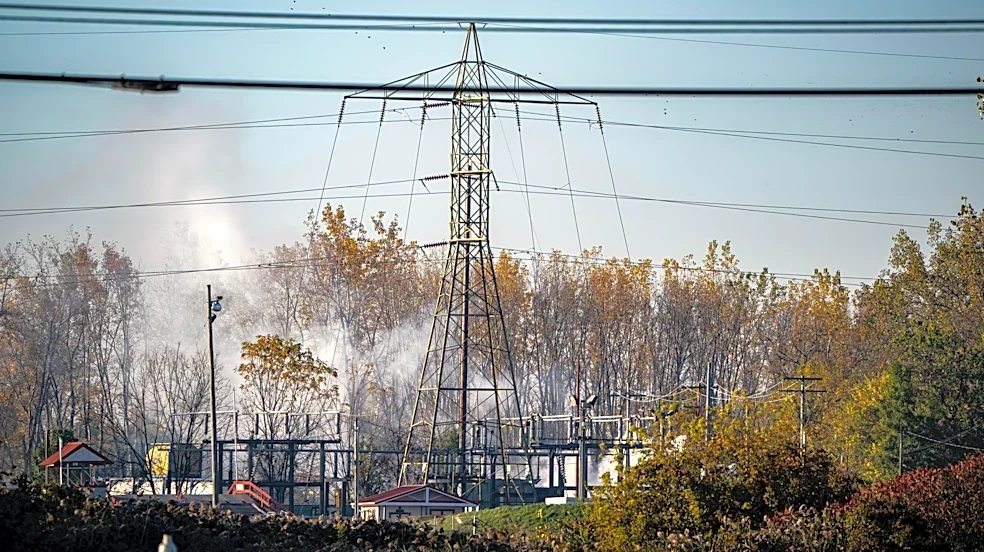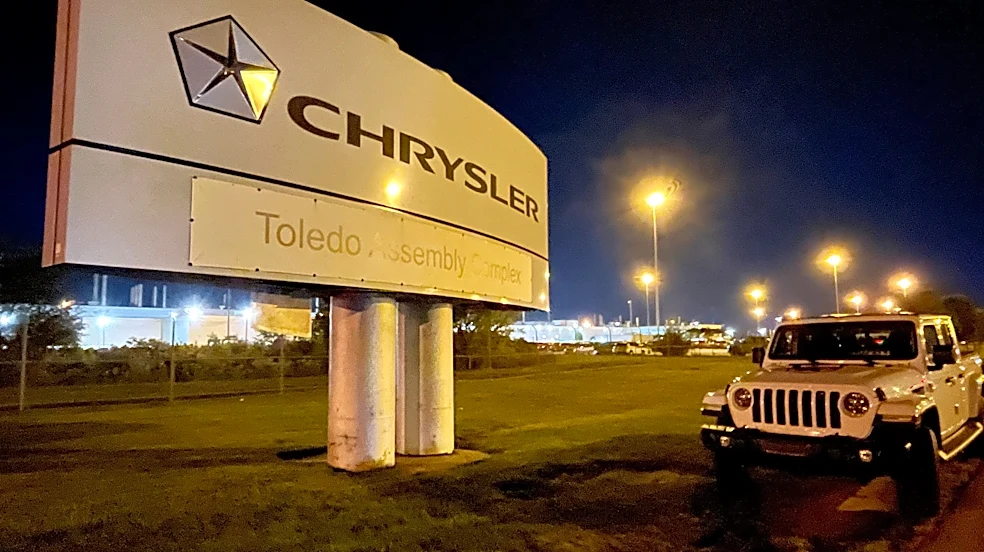







Dozens of people have been treated for symptoms since a tank in Toledo, Ohio, began leaking a toxic chemical into the air, and authorities have begun allowing some residents to return to their homes as the situation improves, officials said Oct. 22.
The tank began leaking glycidyl methacrylate the night of Oct. 20, prompting evacuation orders and shelter-in-place orders for hundreds of residents. Officials said the leak happened at a chemical tank at the MC Tank Transport company in north Toledo.
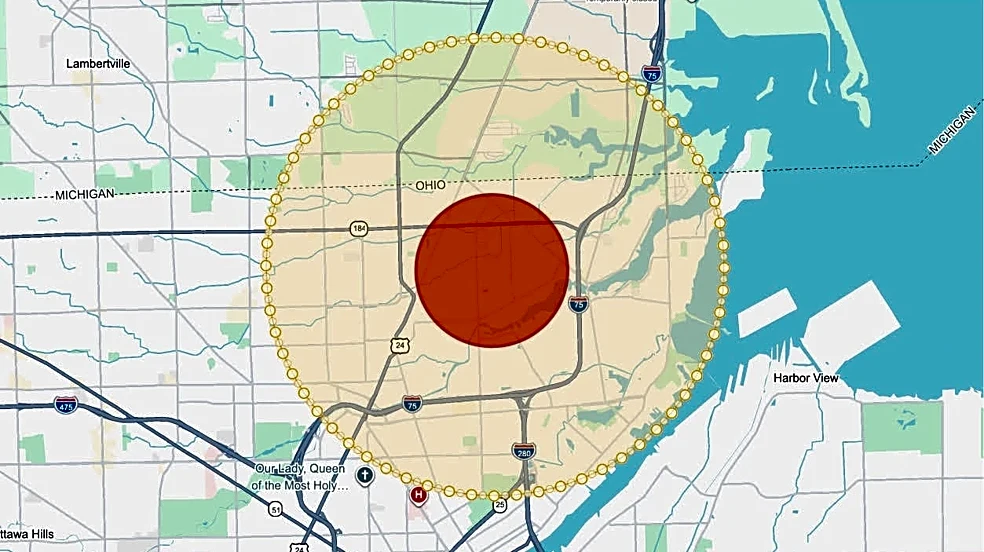
As of the morning of Oct. 22, the shelter-in-place order had been lifted and evacuations were reduced to a quarter-mile radius from the site, down from 1 mile in the immediate aftermath.
"The tank is still releasing material, but the release has slowed
significantly, and the tank temperature continues to decrease," the city said in an update.
Local hospitals have treated 57 people for symptoms related to the chemical release, and seven are still receiving treatment, Toledo city spokesperson Rachel Hart told USA TODAY on Oct. 22. None of them are in serious condition, she said. A sheriff's deputy was among those who needed treatment after responding to the scene, Toledo Mayor Wade Kapszukiewicz said at a news conference on Oct. 21.

The most common symptoms reported by patients at the Toledo area's ProMedica health care systems were shortness of breath and chest tightness, ProMedica spokesperson Tausha Moore told USA TODAY. ProMedica has seen about 50 of the patients. They have most commonly received breathing treatments. Patients with pre-existing respiratory conditions such as asthma and COPD have had the most serious symptoms, Moore said.
Here's what we know about the leak:
How did the chemical tank leak?
The chemical leaked into the air because of an "error" during its transfer, according to Bryant Somerville, a spokesperson for the Ohio Environmental Protection Agency.
Authorities haven't released more details about the cause.
It was an employee at MC Tank who first called 911 to report the chemical release, Kapszukiewicz said.
Is there a risk of explosion?
After the initial release of the chemical, Kapszukiewicz said authorities were watching closely for a risk of an explosion within the first 12 hours. Later, the city said that the leak was ongoing and there was a risk of an explosion beyond that window, as long as there was still liquid inside the tank.
The temperature and pressure in the tank was decreasing as of Oct. 22, lowering the risk of an explosion. The city said its goal for the day was to transition cleanup responsibilities back to MC Tank. The decision to reduce the evacuation zone comes as the Environmental Protection Agency has logged improved air quality in the surrounding area, the city said.
"As tank pressure decreases, so does the explosion risk, and crews have begun preparing to enter as conditions improve," the city said. "The evacuation will remain in place until the explosion risk has passed."
Kapszukiewicz on Oct. 21 first called the incident an explosion of the chemical tank, but Hart later told USA TODAY that no explosion occurred.
What is glycidyl methacrylate?
Glycidyl methacrylate is an industrial chemical used to make certain plastics, paints and coatings perform better, according to a statement from MC Tank Transport.
It's stored as a liquid, and is most toxic in this form, but city officials said the chemical was released as a gas into the air and described it as mostly an "irritant" to residents rather than an immediate health risk.
Residents in the area reported a chemical smell, but officials said it wasn't a sign of danger to health.
This article originally appeared on USA TODAY: Dozens treated for symptoms after Ohio chemical leak as conditions improve