




On the Wednesday, August 26, 2026, episode of The Excerpt podcast:
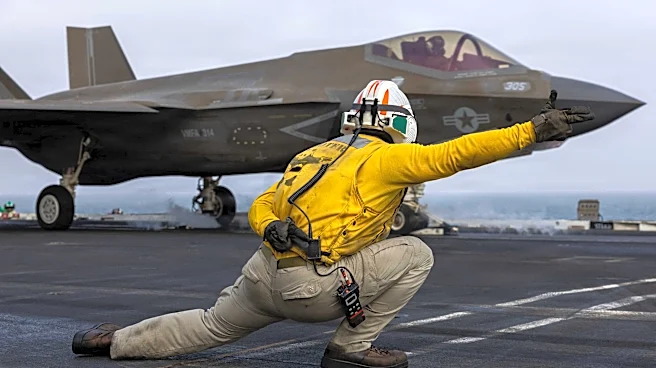
The USS Abraham Lincoln is finally heading home after an extraordinarily long deployment that included more than 250 days without a port visit. USA TODAY investigative reporter Chris Quintana explains what sailors’ families told him about missed milestones, conditions aboard the carrier and the questions lawmakers are raising about the Navy’s response.Hit play on the player below to hear the podcast and follow along with the transcript beneath it. This transcript was automatically generated, and then edited for clarity in its current form. There may be some differences between the audio and the text.
Podcasts: True crime, in-depth interviews and more USA TODAY podcasts right here
Dana Taylor:
The USS Abraham Lincoln is finally headed home after an extraordinarily long deployment and more than 250 days without a port visit as the conflict with Iran continues. But for the sailors and their families, those months have meant missed graduations and weddings, limited communication, and growing concerns about conditions aboard the carrier.
Hello, and welcome to USA TODAY's The Excerpt. I'm Dana Taylor. Today is Wednesday, August 26th, 2026.
USA TODAY Investigative Reporter Chris Quintana, spoke with the families of sailors aboard the Lincoln to hear about the conditions on the ship. Chris, thanks so much for coming on.
Chris Quintana:
Thank you so much for having me today.
Dana Taylor:
Chris, before sailing back to San Diego, the Lincoln is headed for port in Thailand, correct?
Chris Quintana:
Yes, that is correct. And that is coming from some families that we've spoken to. They've shared text messages with us from their loved ones saying that the ship is going to stop in Thailand. One was talking about, asked their loved one to send them some hotel recommendations. And in another conversation, this person was talking to their loved one and saying, "You've always wanted to go to Thailand. This is so exciting." And so it comes, of course, on this really long stretch of time when they've been at sea and have not been able to go to port. So a lot of excitement there for the families and, of course, the people on board.
Dana Taylor:
Some of the most striking parts of your reporting are the moments these sailors missed back at home, including graduations and weddings. What did families tell you about the toll this deployment has taken on them and on the people waiting for them?
Chris Quintana:
So I'd like to preface by saying that when someone signs up for the military, they know that they're going to miss some special moments, they know that they might be away for Christmas or Easter or Thanksgiving, but what really struck out for these families was the planned date to come home was in May, and that date just kept getting pushed further and further out. At one point, they didn't even have one. And so crew members on board who thought, "Oh, I'll be home in time to see my son graduate. And after four years, it's taken a lot of effort. It's going to be really great to see him do that." And that just didn't happen. And that's because the deployment got pushed out.
And similarly, another sailor, his sister was getting married in June, and he thought he would be back in May and have plenty of time to attend that. And he didn't get to do that. And the family really feels that obviously it's still a happy day, it's a wedding, but everyone is just wondering, where is this person? And his sister, his mother described her as a mother hen, and she just kept waiting for him to show up. She thought it would be this big Facebook moment, and it's like the reveal, and your brother is here. And that just didn't happen.
Dana Taylor:
Families described poor food, shortages of basic supplies, broken facilities and packages that sometimes took months to arrive. What did your reporting reveal about daily life on the ship?
Chris Quintana:
Yeah, it's a lot of that, and it's kind of in cycles. There's time when the food is better, but then there are times... I was talking with someone whose sister was on board, and she saw the food via a video call, and she described it as slop, the kind of stuff you wouldn't feed to a dog. And there are times when it's good and better, but it's definitely cyclical there.
And another conversation we were able to peek into, the sailor was talking about how they didn't have hot water, so they couldn't take hot showers.
And the packages thing too is very real for these folks. I was talking with Senator Richard Blumenthal about this actually, and he was describing it as this very real connection to your loved ones back home. He had this great story where he said, "Even if you get a stale cookie, it's nice to know that it's baked by someone you love." And so for that to not be available to folks on top of this kind of never-ending deployment, it just really stresses a lot of people out.
Dana Taylor:
Well, what explanation has the Navy offered for how conditions were allowed to get so bad?
Chris Quintana:
We sent our findings from our reporting to the Navy and to the Pentagon, and we did not receive a response back there. But part of what they've said in other statements, the acting Navy secretary, it's that this deployment was extended. And so they talk about how, yes, sometimes the food schedule had to be adjusted a little bit, and sometimes communications back home had to be adjusted, but they've been a little bit tight-lipped about the why.
Dana Taylor:
Chris, two families asked you not to identify their loved ones aboard the Lincoln because they feared reprisals. What did that tell you about the sensitivity around speaking publicly about conditions on the ship?
Chris Quintana:
Yeah, I think there's a lot of concern for their folks on board. They don't want them to get in trouble, and there may be a sense... I think it's a wider sense in the military and military families, when you're in the service, you're not supposed to be seen as you're complaining or things are bad. I want to say, I reached out to a lot of folks trying to get this story out there, and a lot of people didn't respond.
And I think there's, one, a desire not to make things worse for their sailor, but then also to just grin and bear it. So I think that's part of it. But also if you look at other reporting in the space, a lot of anonymous sources, a lot of families just don't feel comfortable having their loved ones identified, and it's kind of a critical and sensitive issue like this.
Dana Taylor:
There've been conflicting accounts about sailors' mental health and incidents aboard the carrier. What has USA TODAY been able to independently confirm, and what are military officials disputing?
Chris Quintana:
So we talked with two separate families who said that a crew member had gone overboard. One of them had said that he was wearing a life vest. Another one, his mother had mentioned to her son that she had heard reports of multiple people jumping off the ship, and he said it was only one. So that's what we've heard. The Navy has said that there was someone who went overboard, but was kind of more... not saying it was a jump or suicidal intention anywhere in there.
Dana Taylor:
President Trump and Pentagon officials have rejected reports that conditions aboard the Lincoln were deteriorating. Furthermore, Trump said families were not concerned about the deployment's length. How did the families you interviewed respond to those statements?
Chris Quintana:
They were really upset about that. One family member was telling me she wanted Trump to have his family out there to see what that would feel like. Another person said, "The president doesn't get to tell me if I'm concerned or not." There was a lot of frustration with that because they're hearing from their family directly how things are on that ship. And so to hear the administration say, "Oh, this is actually not an issue," or, they're not concerned or that this deployment hasn't gone long enough, especially when they've missed a lot of these major milestones, that was really, really frustrating and challenging for them.
Dana Taylor:
Chris, lawmakers are pressing the administration for answers. They've called for bipartisan congressional delegation to visit the carrier. What specifically are they trying to find out?
Chris Quintana:
Yeah, yeah, they're trying to learn a little bit more about how things are on board, what the conditions are, what kind of mental health resources available, are chaplains available. They also just want to see firsthand and do oversight that way, but they're also asking for what's the timeline for when they're going to return home.
I mentioned Senator Blumenthal earlier. In a previous letter, he had been inquiring about the capacity of the Navy and the military broadly to keep these ships supplied.
Dana Taylor:
The USS George Washington has arrived to replace the Lincoln, but Senator Blumenthal says he isn't convinced the military has fixed the supply problems that affected the Lincoln. What evidence, if any, have military officials offered that conditions might be different for that crew?
Chris Quintana:
Yeah, so this is a situation where I sent the senator's comments to the Navy and to the Pentagon and to CENTCOM, and we didn't get a response there. I did reach out to the White House as well, and they said that the president is a big supporter of the troops, so we don't have a lot of information on there.
Dana Taylor:
Chris, the Lincoln's crew still has weeks at sea before this deployment is actually over. After months of shifting timelines, what do we know about when these sailors will finally get home?
Chris Quintana:
Yeah, so I'm going to point to my colleagues reporting on this, Emily Condon, she looked at similar ships that had taken similar journeys and similar sizes. We're looking at about four to five weeks there, and that's in one of our most recent stories, the story we wrote about the ship's planned trip to Thailand.
Dana Taylor:
Chris Quintana is an investigative reporter for USA TODAY. Chris, thank you so much for sharing your reporting on this really important story.
Chris Quintana:
Thank you again for having me and for highlighting the story that I'm sure the families appreciate it.
Dana Taylor:
Make The Excerpt part of your weekday routine. New episodes are available every weekday morning. I'm Dana Taylor. Thanks for listening.
This article originally appeared on USA TODAY: Inside the USS Lincoln’s extraordinarily long deployment | The Excerpt