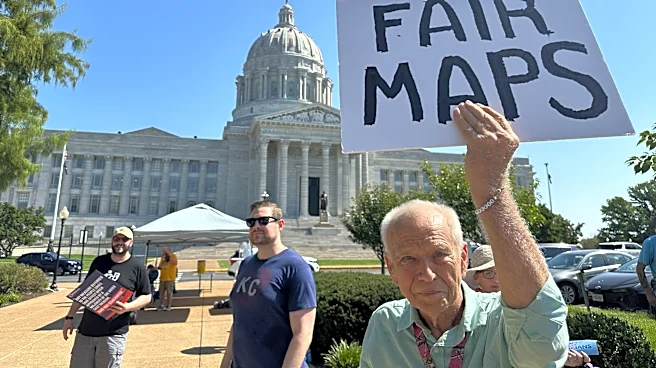





A group of sexual abuse survivors, whistleblowers and family members of athletes who suffered preventable deaths are speaking out against a sweeping federal bill that would regulate college sports, saying that the health and safety protections it provides college athletes are largely toothless.
The Protect College Sports Act, which the U.S. Senate is expected to vote on in September, gives athletes the right to sue schools that fail to prevent sexual misconduct, catastrophic injury and death.
A group opposing the bill says that "loopholes" in the proposed law could let schools off the hook for violating it. Public schools could also be shielded from financial penalties for such violations, the group said, leaving the majority of the nation's college
athletes without the same remedies that those at private colleges would receive.
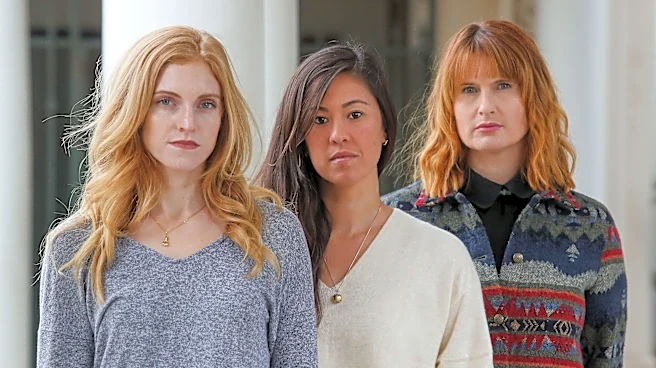
The coalition includes sexual abuse survivors and whistleblowers from San Jose State University and Michigan State University, as well as Martin McNair, whose son Jordan McNair died during a University of Maryland football workout. It's also comprised of parents of other athletes who died from sudden cardiac arrest, heat stroke and traumatic brain injury during college football practices.
They are demanding fixes to the legislation and meetings with Senate leaders to discuss their concerns. Some described their views in interviews with USA TODAY, which reported extensively on the sexual abuse cases at San Jose State and Michigan State.
"I can't take the rest of the bill seriously knowing there are all these loopholes," said Caitlin Macky, one of more than two dozen former San Jose State female athletes sexually abused by former San Jose State sports medicine director Scott Shaw under the guise of medical treatments. "I think it's a little more protecting the university than it is protecting the athletes."
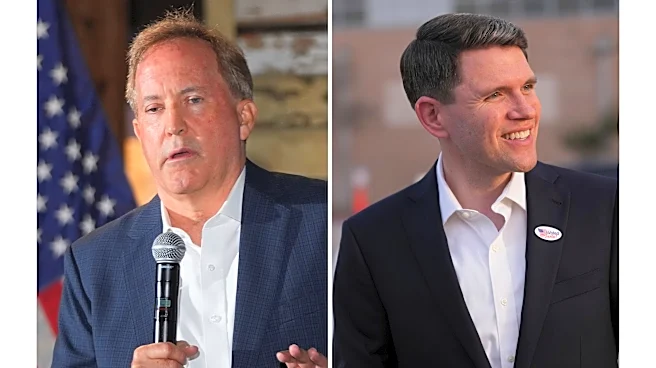
Introduced in May by Sens. Ted Cruz (R-Texas), Maria Cantwell (D-Washington), Chris Coons (D-Delaware) and Eric Schmitt (R-Missouri) in May, the Protect College Sports Act seeks to end the "chaos" in college sports.
Known informally as the NIL bill, it would create national standards for athletes earning compensation from Name, Image and Likeness (NIL) agreements. But there are broader provisions of the bill that extend beyond name and image. It would also address a host of other issues in college sports, including athlete health and safety.
Among other things, the bill would cap agent endorsement contract fees at 5%; permit athletes one transfer in five years without losing eligibility; and restrict large conferences from growing by absorbing another.
The bill is supported by all major college sports conferences, including the Southeastern Conference and Big Ten Conference, and hundreds of individual schools, as well as President Donald Trump. The National College Players Association, NAACP and AFL-CIO Sports Council, which represents athlete workers in pro leagues, oppose the bill, saying that it sets rules for athletes and shields colleges and conferences from antitrust liability without giving athletes a seat at the table.
Senators who support the bill have touted the health and safety protections that it provides athletes. It would require schools to protect athletes from abuse, hazing, sexual assault and retaliation, mandate safety standards for heat exertion, brain injury and sickle cell trait, and require schools to designate independent officers to enforce the rules and report violations. It would also cover certain out-of-pocket medical expenses for athletes after college and establish an ombudsman to help athletes resolve concerns with schools.
The legal doctrine of "sovereign immunity," however, shields government agencies, including public universities, from being sued in court without explicit permission from the state – a measure intended to protect the diversion of public funds. In addition, opponents say the Protect College Sports Act would let schools dodge certain lawsuits through a provision that gives them 30 days to "cure" violations because the law does not define what violations are curable.
That means that if a university athletic trainer sexually abuses an athlete under the guise of medical treatment, a school could potentially avoid liability under the act by adopting a rule requiring supervision during training sessions, said Ramogi Huma, executive director of the National College Players Association.
Without language exempting "completed harms" from being cured and the ability to overcome sovereign immunity – as other laws like Title IX do – the bill is a "trojan horse," Huma said, that is "designed to fail players legally."
Huma pointed to San Jose State as an example. Although San Jose State athletes and coaches raised concerns about Shaw as early as 2009, the university’s original internal investigation cleared Shaw, allowing him to continue to abuse his authority for 14 years.
Campus leaders forbade him from treating female swimmers, but he continued to abuse other female athletes. Meanwhile, university officials retaliated against people who spoke out against Shaw, including San Jose State swim coach Sage Hopkins, who also opposes the legislation.
Spokespeople for Sens. Coons and Schmitt did not respond to requests for comment by press time. Spokespeople for Sens. Cantwell and Cruz provided emailed statements.
“Under the Protect College Sports Act there would be several strong federal college athlete health and safety protections from which athletes will benefit. It’s important they get these protections now,” said Cantwell spokesperson Ansley Lacitis. “Among other things, whistleblowers will be protected from retaliation, and athletes will have more rights to sue over sexual assault.”
Blair Taylor, a communications director for the U.S. Senate Committee on Commerce, Science and Transportation, of which Cruz is chairman, said in a statement that the bill does not preempt any state or federal laws that address sexual assault, personal injury and wrongful death, including Title IX, which addresses sexual harassment and assault in schools.
"These attacks are absolutely baseless based on the text which not only gives athletes more rights and protections but expressly protects every existing federal and state means to pursue all of these actions," Taylor's statement said.
Macky, a former San Jose State swimmer, argued that college athletes need an independent entity to investigate sexual abuse and wrongful injury and death cases, similar to what the U.S. Center for SafeSport provides to athletes in the U.S. Olympic and Paralympic Movement.
Without it, she said, schools will continue to police themselves – the same system that enabled abusers like Shaw, who pleaded guilty to federal civil rights violations and was sentenced to prison in 2023, to flourish.
"There just has to be something in place," Macky said, "to make sure athletes don't have to go through what I went through."
This article originally appeared on USA TODAY: Sexual abuse survivors, parents of deceased athletes oppose NIL bill