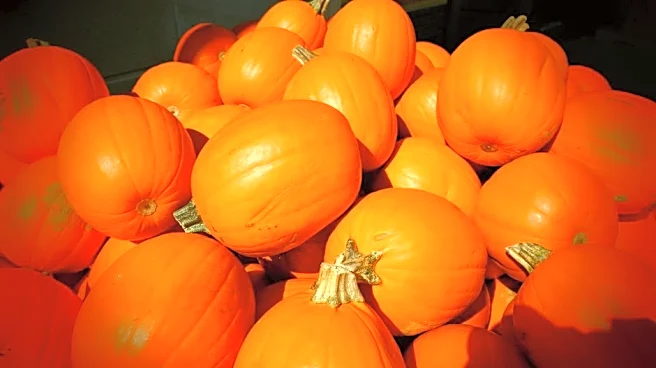






The Great Pumpkin may still rise this Halloween, but he’ll have a thinner patch to pick from in Texas.
That is the latest report from the Texas A&M AgriLife Extension Service, which said on Oct. 6 that the state's biggest pumpkin-growing area—Floyd County—saw yields drop 30% to 40% this year after a summer with no rain.
“We were in an extreme drought throughout the summer,” said Mark Carroll, AgriLife Extension agriculture and natural resources agent for Floyd County. “No rainfall for the pumpkin crop, and it greatly affected our yields."
Carroll, who has 20 years of experience, said 2026 is the driest year he has seen in Floyd County — Pumpkin Capital of Texas. Here's what is happening to Texas' pumpkin supply.

Texas drought conditions hinder pumpkin harvest
Floyd County, just northeast of Lubbock,
has been the state’s largest pumpkin-producing area for the past several years. Growers planted 1,200 acres of pumpkins in Texas this year, Carroll said.
The state’s pumpkin acreage fluctuates from year to year between 700 and 1,600 acres and is irrigated by drip systems. However, this year's irrigation couldn't make up for the lack of rain.
“Normally, you go into a growing season, you’ve got some subsoil moisture, and then you irrigate, and you can have a decent crop,” he said. “But we went into the growing season with no subsoil moisture.”
While the drought cut the amount of pumpkins harvested, Carroll said it did provide one benefit — growers didn't have to spray as much to prevent fungal disease
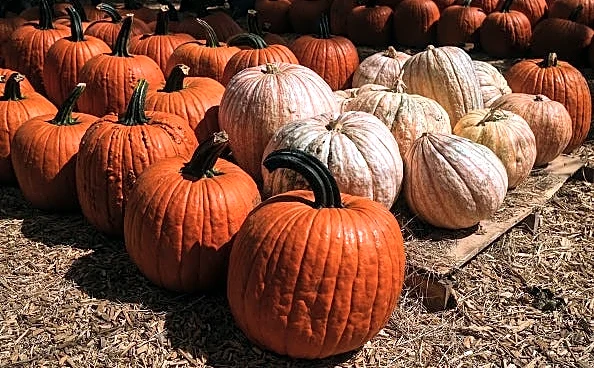
Carroll said that while other states like Illinois grow more pumpkins by volume — most of it for processing — Texas focuses on decorative and culinary varieties.
Texas growers produce more than 200 varieties, including jack-o’-lantern, pie and Cinderella types.
Harvest typically begins around Sept. 1 and was expected to wrap up this week—one to two weeks earlier because fewer pumpkins were picked.
Will pumpkin prices go up?
Carroll said pumpkin prices have been steady for the past three years, with no major increase or drop.
Despite steady prices and demand, Carroll said high input costs continue to pinch producers.
“Anytime inputs stay high, it compresses our farmers and makes profitability difficult,” he said.
Mateo Rosiles is the Texas Connect reporter for USA TODAY and its regional papers in Texas, based in Austin. Got a news tip for him? Email him at mrosiles@usatodayco.com.
This article originally appeared on USA TODAY: Texas drought cuts pumpkin yields up to 40% in driest year in decades