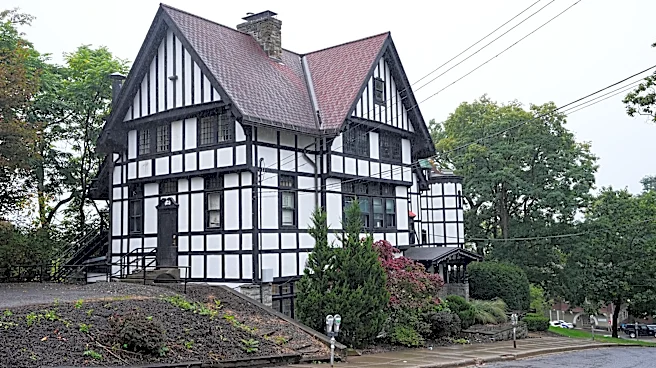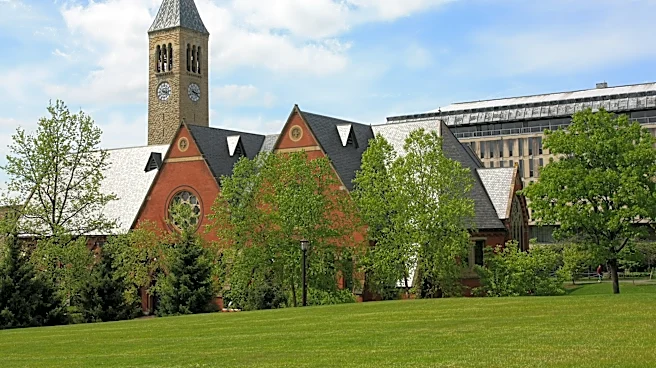

ITHACA, NY – Cornell University students say they have been forced to relive the haunting details of an alleged gang rape on campus two years after stories of the assault first rattled the student body.
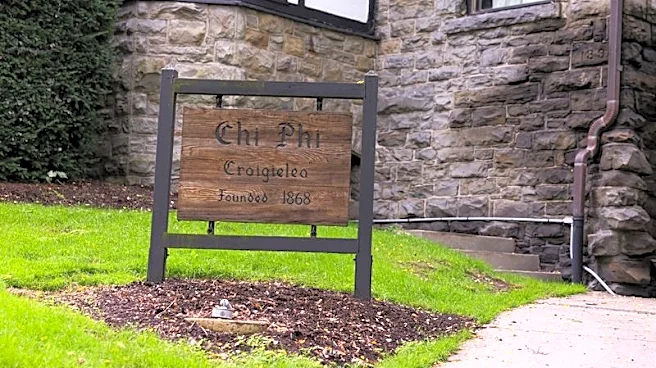
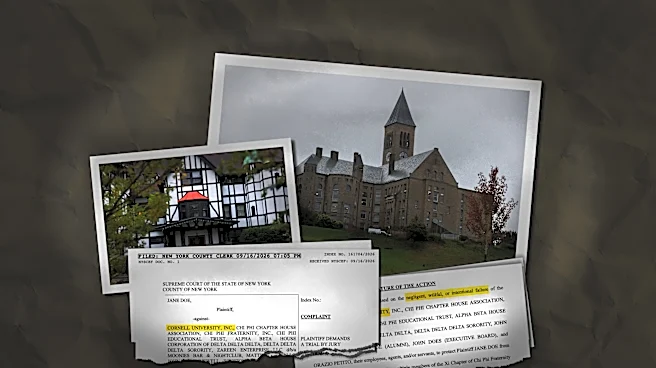
The recent filing of a Jane Doe lawsuit has challenged the university's handling of the case, which accused seven members of the Chi Phi Fraternity of a drug-fueled sexual assault of a student in October 2024. Prosecutors have reopened a criminal investigation amid national outrage.
The case has left Cornell students at the center of a conversation they were unprepared for.
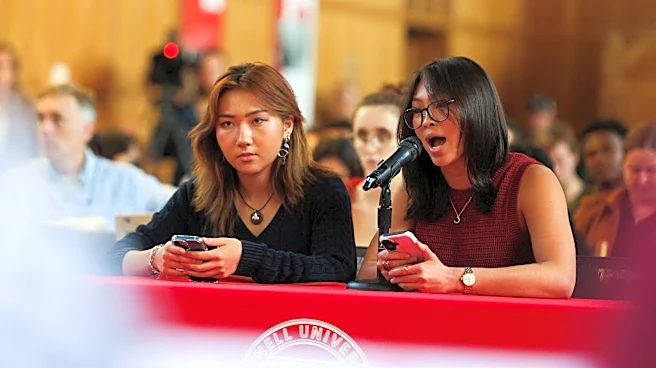
Student leaders held a town hall Oct. 1 to confront the fallout as a collective community. Most of the session was declared off limits for visual photography, direct quotes and identification. A select few students addressed their peers during an earlier public part of the meeting. One sat in front of the student board, introduced herself, and said plainly: "I am also speaking as a fellow Jane Doe."

For more than two hours, a continuous stream of students, parents and alumni grappled with their new reality together. They took aim at university administrators for a broken Title IX process and condemned what they see as a lack of transparency, urgency and action in Jane Doe's case, which they described as an open-secret on campus.
There were few administrators in the room and the university president, Michael Kotlikoff, did not attend the forum. Cornell has defended its investigation and faulted privacy laws for what it can publicly share about the case.
Again and again, however, speakers said the university has failed them. Many openly shared their own experiences with sexual assault through guttural sobs.
Some described complicated feelings of shame over their affiliation with Cornell. Others lambasted a historical failure to address sexual violence on college campuses nationally ― and said this is a chance to set an example for good. More lashed out at recent media scrums that have descended onto their school grounds.

In the crowd of more than 100, hands with chipped nail polish fiddled with cans of Celsius and tapped frenzied blue bubbles to others presumably not in the room. Faces crumpled and quiet, desperate tears fell again and again.
Sophia Riley Sim, a junior, said she cried over the case twice: First when she heard about it two years ago, as a freshman. And again when news broke of the lawsuit last month.
"This past week I have skipped classes because I am trying to navigate something that does not feel possible to compartmentalize," she said. "I cannot pretend this is a normal Thursday when I am passing camera crews on my way to class, watching Cornell become an international conversation."
She said she is pushing through feelings of apathy and defeat to make something of this moment.
"Right now, I think we all have the same feeling of: Where do we go with this?" Sim said. "I had questions as a freshman ― how do we address sexual assault as a university? And now I'm a junior and I'm still asking the same questions.
"There's a lot of feelings," she added. "There's anger. There's grief. There's a feeling of anxiety. There's also a huge sense of justice right now, though. I've never seen the Cornell community coming together like they have in this circumstance."
Jane Wang, a sophomore, was not yet a student when Jane Doe's alleged rape took place. As she pored through the extensive documents tied to the lawsuit, Wang said, she found herself reliving her own experience reporting a sexual assault at Cornell last year.
"It literally felt like copy-and-paste," she said of the mountain of paperwork and lack of follow-through shown in her own Title IX investigation. She said students like her need to know the university will take their complaints seriously in order to heal.
"If it didn't change two years ago, and it didn't change last year ― then this is the time where survivors need to be able to speak up," she said.
Kayla Canne covers community safety for the Democrat and Chronicle with a focus on immigration, police accountability, government surveillance and how people are impacted by violence. Follow her on Instagram @bykaylacanne. Get in touch at kcanne@gannett.com.
This article originally appeared on Rochester Democrat and Chronicle: Cornell students say alleged rape case reopened old wounds