




Nearly 4,000 medications for animals ranging from dogs and cats to horses, fish and zoo creatures have been recalled nationwide.
Wedgewood Pharmacy LLC, a compounding pharmacy that specializes in veterinary medicine, initiated the voluntary recall on Oct. 21, according to a Food and Drug Administration notice. The medicines, which include liquids, powders, sprays, gels, shots and more, may be too strong or weak to work correctly, which could either result in ineffective treatment or toxicity and overdose.
The issue was discovered through a standard review by the company, which found inconsistencies in its laboratory testing data. Wedgewood has received 98 complaints related to the recalled medications, seven of which it called "serious."
USA TODAY
reached out to Wedgewood Pharmacy for comment on Thursday, Oct. 22.
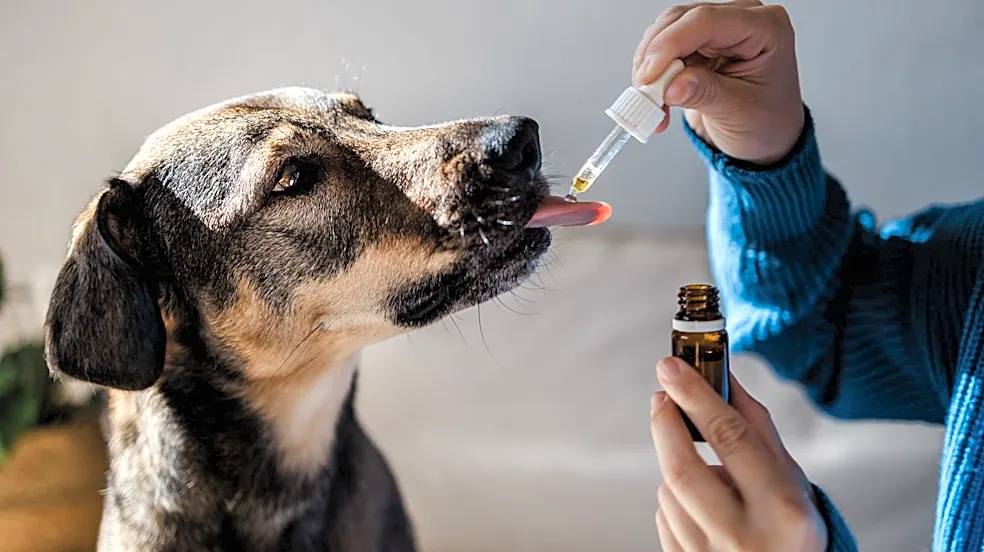
The medication could be not only in vets' offices and businesses, but also in consumers' homes. If your pet takes a medication at home, check the list below.
Which products were recalled?
Wedgewood didn't recall only a few specific medication types or lots. Instead, it recalled a large variety of compounded medications that are still within their expiry date, including powders, pastes, oral suspensions, injectables, ophthalmic ointments and solutions, ear solutions and suspensions, topical sprays and gels.
The affected products were shipped between Feb. 18 and Oct. 6, 2026 nationwide to veterinary practices, pharmacies and directly to consumers. The products involved are intended for use in companion, equine, exotic, zoo, wildlife and aquatic animals.
Because nearly 4,000 medications were potentially affected, Wedgewood created a lookup tool that allows consumers to search their medication's SKU codes and lot numbers.
What consumers should do if they have the recalled medications
Consumers who received medication directly should stop using but keep it and contact Wedgewood’s recall services by phone at 866-562-5931. Sedgwick, a claims management company, is also working with the pharmacy to contact affected customers via email or mail to arrange a refund or replacement.
Consumers with medical concerns should contact their veterinarian.
Veterinary offices and businesses can check the FDA recall for more details on what to do with affected stock.
What are compounding pharmacies? Are they safe?
Compounding pharmacies, or special pharmacies that create customized versions of drugs from raw ingredients, have sparked renewed interest in recent years thanks to the surge of GLP-1s and the peptides industry.
Unlike a commercial pharmacy, which sells mass-produced drugs, a compounding pharmacy can develop specific medications to meet a patient's needs, including by adjusting the dose or removing allergens like dyes. Compounding pharmacies are often used for pediatric and veterinary cases where a medicine needs a different format, such as a lower-concentration liquid for a small animal.
These pharmacies are also sometimes used during drug shortages, as the FDA grants temporary approval for them to produce a drug in bulk to fill the void. Compounding pharmacies must use FDA-approved ingredients, but the actual formulations themselves aren't evaluated for purity, safety or effectiveness.
While the limitations on the FDA's oversight of these pharmacies have stirred some controversy in human medicine in the world of GLP-1s and beyond, they are very common and important parts of veterinary medicine, as pets often need medication in doses or formats that aren't produced by standard pharmacies.
To check out your compounding pharmacy, visit the Alliance for Pharmacy Compounding or your state's board of pharmacy website, all of which are listed on the FDA's website here.
This article originally appeared on USA TODAY: Thousands of pet medications recalled. See the affected products