



I'm sure the election results thrilled liberals, but for conservatives, a blue wave is disheartening.
Electing dozens of Democrats who hold progressive, even socialist, beliefs runs against the core principles conservatives hold. But there might be a lighthouse flickering at the edge of the tsunami: Voters soundly rejected President Donald Trump
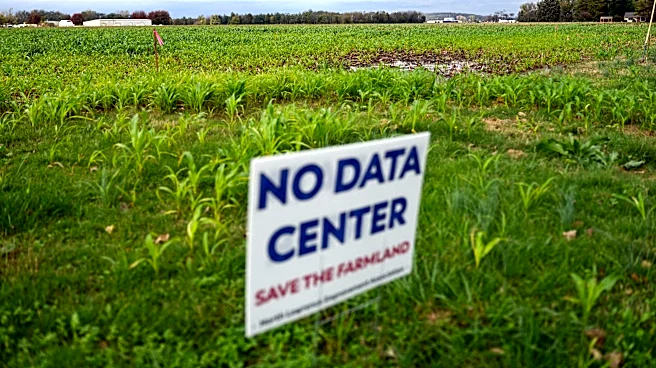
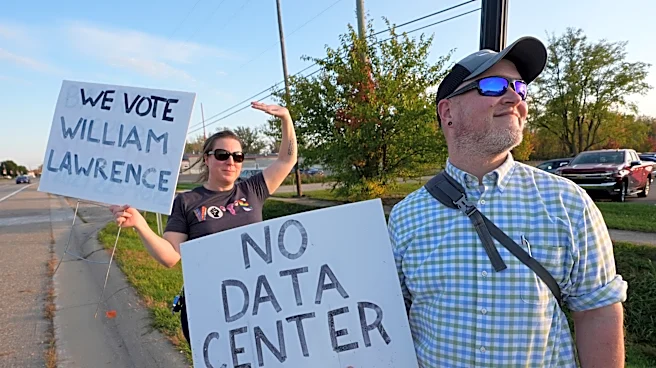
on Nov. 3, electing a swath of Democrats, but they didn't move left on everything − in many states, they also passed conservative-leaning ballot measures.Voters in 39 states decided 145 statewide ballot measures on issues ranging from data centers and guns to taxes and abortion.

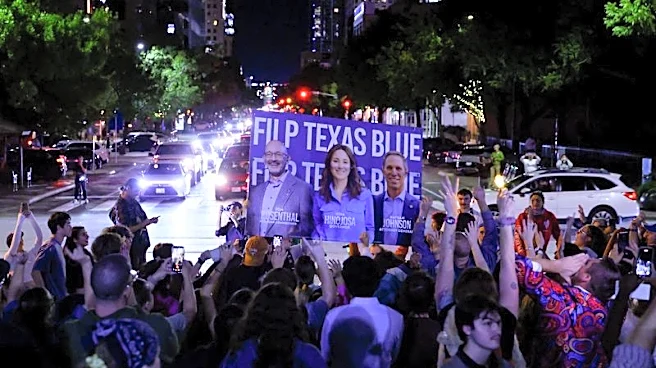
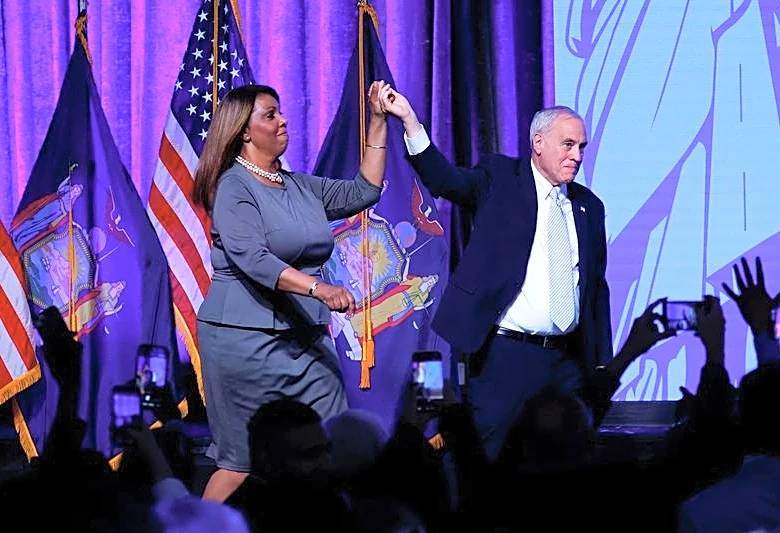
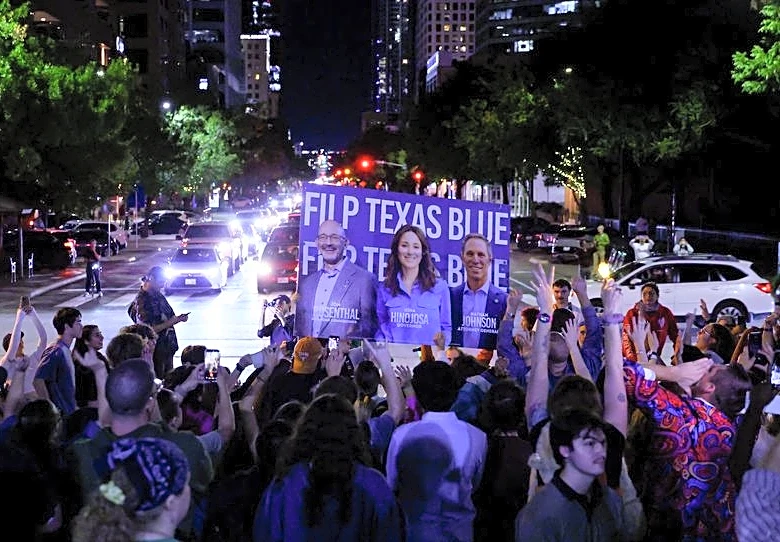
Much of the electorate voted for Democrats by a massive margin − Democrats flipped seven Senate seats and five governorships,
along with more than 40 House seats.
Yet on issues where conservatives typically take a stand, like voter ID, protecting female spaces and taxes, those same voters checked the conservative box en masse. That sheds some light on what Americans care about right now – and it offers good news for conservatives.
Even Democrat-voting Americans backed commonsense measures
The measures varied, but many dealt with pivotal issues conservatives usually rally behind, including election integrity. Voters in Nevada, North Carolina and Ohio all wrote voter ID requirements into their state constitutions.
They did it even as Nevadans flipped their governor's seat blue, Ohioans flipped three U.S. House seats to Democrats and North Carolinians elected their first Democratic U.S. senator in 18 years.
Similarly, voters in Alaska, Arkansas, Kansas, South Dakota and West Virginia approved measures affirming that only U.S. citizens can vote in their elections.
Yet Arkansas Republicans lost their state House supermajority, West Virginia Democrats doubled their seats in the legislature and South Dakota Democrats picked up four state House seats. Taking a page from the Texas playbook, Kansans elected Adam Hamilton, a Methodist megachurch pastor, as the state's first Democratic U.S. senator in 94 years. (Alaska is still counting votes in some races.)
There's an irony here: Voters ousted the party that championed voter ID, then enacted voter ID themselves.
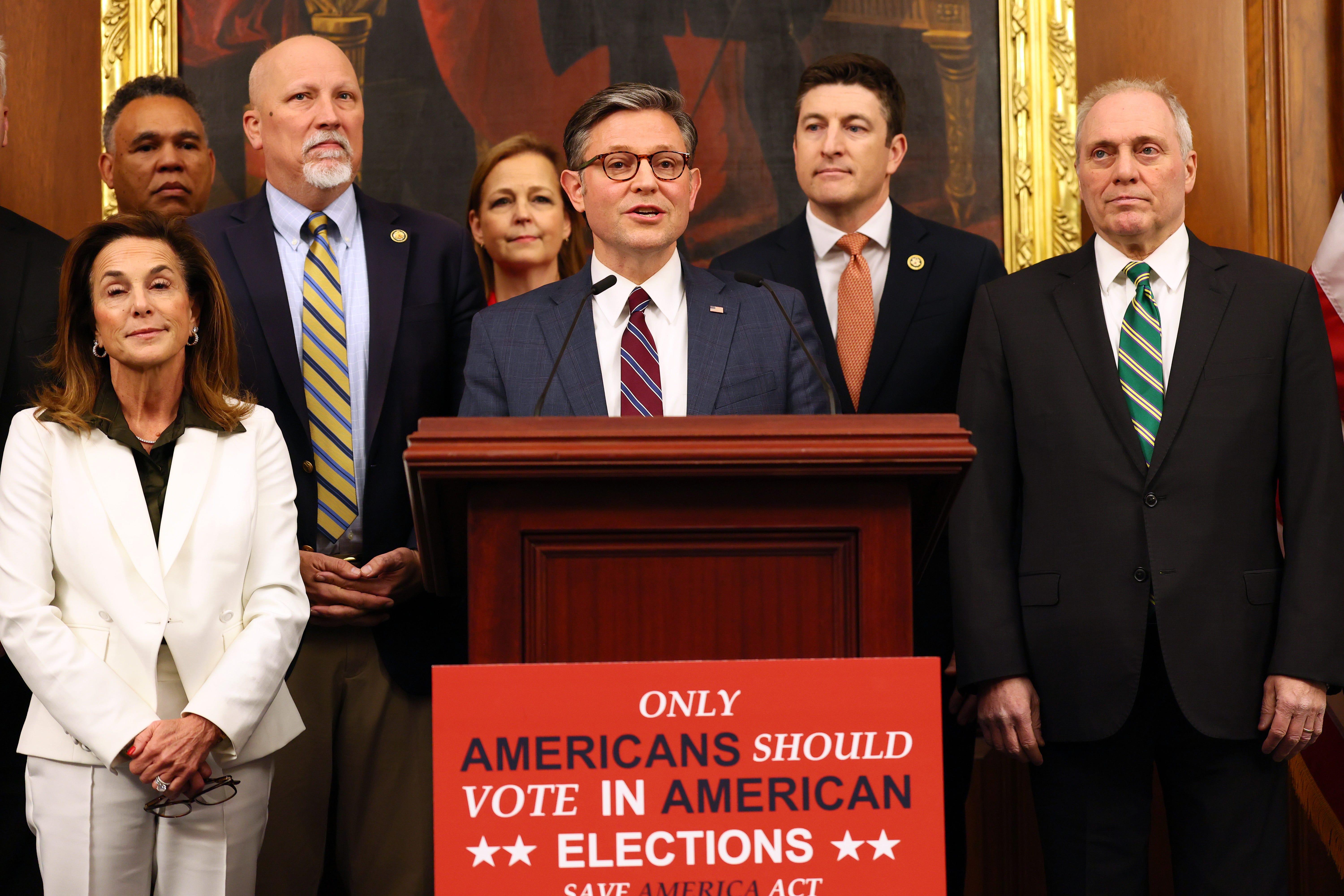
Republicans never got the SAVE America Act through the Senate, even though one poll showed 71% of voters supported it, and the GOP-controlled Congress and the White House for nearly two years.
In March, I wrote that if Congress didn't pass it, Americans should vote them out. Voters happily obliged − then did the job themselves. Conservatives have traditionally been more vocal about this issue than liberals, but voter ID is a commonsense, nonpartisan idea most advanced democracies embrace, and I'm glad to see voters in states that swung blue embrace it, too.

In Colorado and Washington, voters approved conservative-backed measures protecting female sports. Arizona voters passed a proposal that designates school sports teams by sex and restricts access to locker rooms and other private athletic facilities accordingly.
California's "billionaire tax" appears headed for defeat, a surprising but welcome outcome for the few wealthy residents the state has left. And North Carolina voters approved an amendment capping the state income tax at 3.5%.
Voters didn't embrace conservative values across the board. Nevada and Virginia passed measures enshrining abortion rights in their state constitutions. Missouri voters rejected an amendment that would have reversed the abortion protections they approved in 2024.
Nevadans voted to protect abortion up to viability for the second consecutive election, as state law requires for citizen-initiated constitutional amendments. Abortion up to viability is a demoralizing idea, to say the least. Idaho voters, at least, rejected a measure that would have legalized it.
Americans rejected Trump, but embraced conservative values

That voters backed conservative policies in states where they often rejected Republican candidates shows how badly Trump himself has tainted the GOP − even if some ideas he championed, like the SAVE Act, didn't make voters cringe.
An AP Voter Poll found that about 4 in 10 voters cast their ballots "to express opposition" to Trump.
Candidate quality mattered, too: In the U.S. Senate race in Texas, voters chose Democratic state legislator James Talarico over Republican state Attorney General Ken Paxton by a massive margin, 55.1% to 43%. Yet those same Texans rejected most local tax increases and public school bonds.
It seems voters want the best of both worlds: politicians who aren't aligned with Trump, but ideas rooted in conservatism.
That's a powerful lesson for state and federal candidates − and for whoever runs for president in 2028. A likable, articulate candidate who breaks with Trump but embraces popular policies like voter ID, protecting female sports and spaces, and opposing tax hikes could give voters everything they want in one person.
The 2026 midterms delivered the biggest blue wave I've seen in more than two decades, and that could feel depressing for conservatives. But all is not lost. The measures voters passed show that Americans might not be able to stand the GOP right now, but that they don't hate its ideas and they haven't abandoned their principles.
Democrats should take note. To stretch election season’s favorite metaphor even further, their blue wave hides a red undertow, and if they interpret this election as permission to move left on voter ID, female sports or taxes, it could drag them under in 2028.
Nicole Russell is an opinion columnist with USA TODAY. She lives in Texas with her four kids. Sign up for her newsletter, The Right Track, and get it delivered to your inbox.
This article originally appeared on USA TODAY: Voters rejected Trump, but they didn't reject conservatism | Opinion