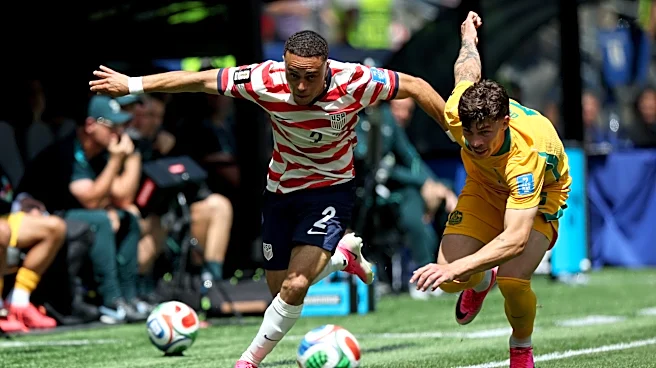




MIAMI — The United States is the favorite. Haiti manager David Badia is clear about that.
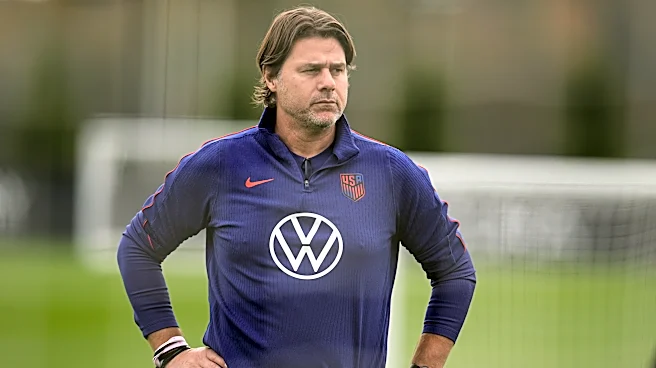
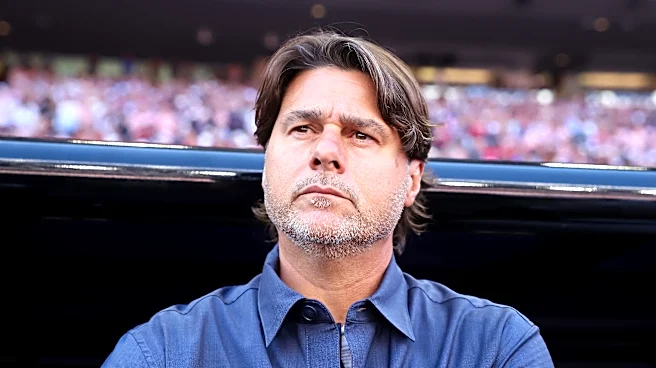
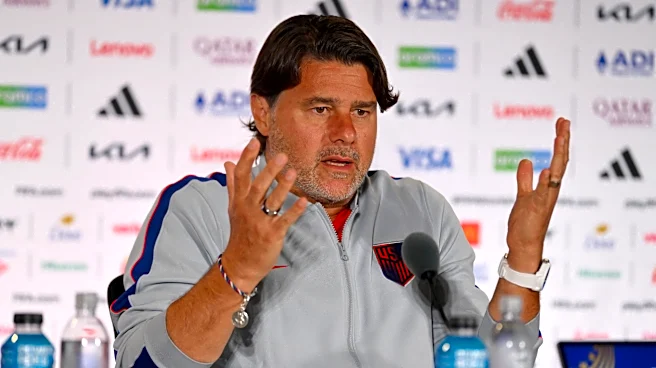
Whether or not Mauricio Pochettino’s future is a distraction for the U.S., the reputation the team has earned in the Concacaf region puts it as one of the top two teams in the region - with plenty of experts placing the Stars and Stripes first after a September-October international window that showed just how much talent is in the pipeline.
But these Nov. 14 and Nov. 17 games against Haiti, a Concacaf Nations League quarterfinal that is a must-win, won’t be as straightforward as they might appear.
Haiti qualified for the World Cup, and while it didn’t win a game, it put in respectable showings in a difficult group that included Brazil and Morocco.
A loss in
the series wouldn’t just be embarrassing for the U.S. but also would mean that instead of competing against the region’s top teams in March. The first window of the year would be in a do-or-die series against a low-ranked opponent playing simply for the right to qualify for the Gold Cup. Win this series, and a trophy is on the menu for March with a place at the continental championship in summer 2027 assured.
Combine the managerial uncertainty, a real home-field advantage in the first leg and the talent in its squad and Haiti sees an opportunity to stun the U.S. and reach that Final Four.
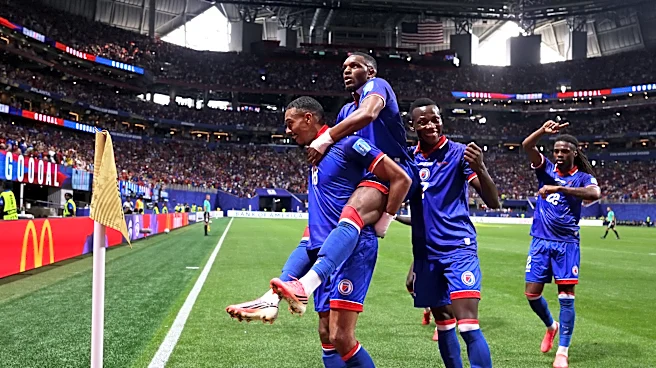
Haiti fans were thrilled to see attacker Lenny Joseph back on the field, scoring twice in the San Siro to help Hungarian side Ferencvaros past Christian Pulisic’s AC Milan, a Europa League match fans joked was a CNL preview. His return, coupled with a window in which Sunderland forward Wilson Isidor scored three gals as Haiti beat Trinidad and Tobago, Costa Rica and the Dominican Republic means a Haiti attack that comes into November in good form.
Badia, the 52-year-old Spanish coach, is eager for the chance to square off with the U.S., but his team goes into the games knowing there’s plenty to overcome.
“There are two sides to the coin, there’s the side of playing against a big national team, which is really nice, it’s fantastic, a good atmosphere, a good challenge,” Badia told USA TODAY Sports this week. “The other side is that at the same time, you’re playing against a great team who will make it really difficult, who can beat you, who are the favorites.
“It can give you that unequal feeling, of really believing on one hand because it’ll be a great atmosphere and a good feeling on the field but on the other side it could really complicated. They have some great players with a great players.”
Like the U.S., Haiti wasn’t able to call upon its full cohort of players in November. Star midfielder Jean-Richner Belgrade, whose commitment to play for Les Grenadiers helped energize the team during last fall’s World Cup qualification campaign, is out of the November matches because of an injury.
Haiti is thin at the back, missing Lugano defender Hannes Delcroix, Cyprus-based Jean-Kévin Duverne and Garven Metusala because of injuries. That means three of Haiti's top options in central defense aren't present.
And, like most teams that made the 2026 World Cup, Haiti is still working out who the cornerstones will be in the next cycle. Long-time goalkeeper Johny Placide and standout center back Ricardo Adé have hung up their boots, and top scorer Duckens Nazon has missed the last two call-ups with his international future unclear.in the

But Haiti has long made a habit of making sure the sum of its parts is greater than the individual pieces on their own. This is a team that managed to qualify for the World Cup despite never playing at home because of gang violence roiling the country it represents. It is a team set to enjoy a partisan crowd in Miami thanks to a rule shift by the Concacaf Council earlier this month.
The attack is strong, and Badía hopes he has been able to reinforce his back line with the addition of Patrick Nwadike, a Sweden-born central defender who plays in Slovakia, and Michigan-born Genk prospect Kayden Pierre. Alexander Pierre has established himself as Placide's successor, while the midfield steel is certainly present with Danley Jean Jacque and Carl Sainté, though the latter may be pressed into duty as a center back given the absences.
But within those roster moves lies the answer about why the U.S. is favored. Kayden Pierre wasn't able to break through with MLS side Sporting Kansas City. Sainté plays his domestic soccer with El Paso Locomotive. Alexander Pierre isn't starting for his team in the French second division. Meanwhile, the U.S. can field a starting XI of players starting regularly at top-level European teams or, at worst, MLS stars.
The noise around Pochettino's future can't have helped the U.S. players keep their focus where an opponent like Haiti demands it be placed: Squarely on getting a win agains the opposition in front of the team.
The U.S. should win comfortably and avoid the stress of a March play-in series to get into the Gold Cup. But it won't be able to reach that goal if it doesn't take this Haiti test seriously.
This article originally appeared on USA TODAY: Haiti no pushover for USMNT with 'home' game in Miami, high-class attackers