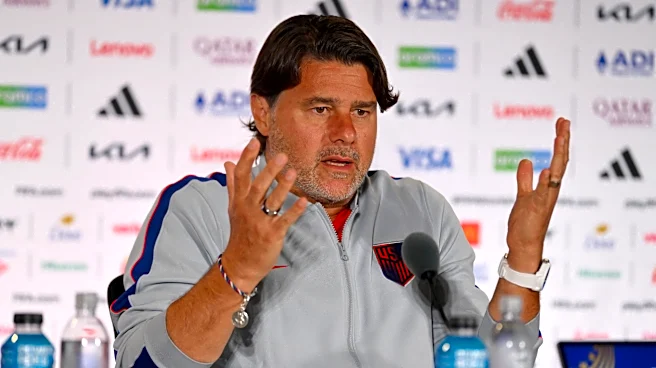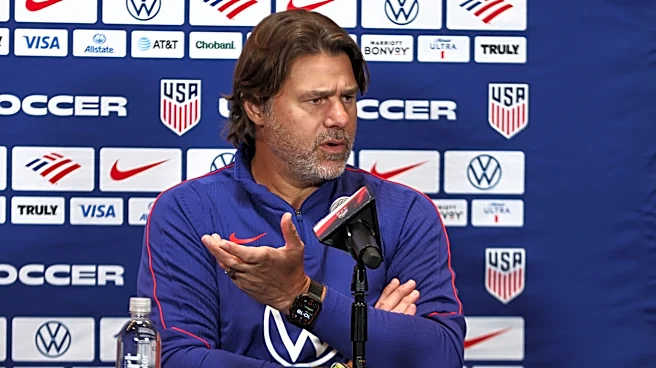




Mauricio Pochettino may become the next manager of Manchester United. He may not. But the United States Soccer Federation knew this is what it signed up for when it re-signed the Argentine manager as coach of the U.S. men's national team after the 2026 World Cup.
Pochettino's renown and reputation were part of the reason he was hired in the first place. The former Tottenham, Paris Saint-Germain and Chelsea manager arrived with clout and with experience. He also was a perfect face for a team that would get more media attention than any U.S. men's team ever before with the World Cup on home soil.
Bringing him back was a bit of a risk, even if it's one U.S. directors planned for by sticking a reported $10 million release clause in Pochettino's contract.
Top-level European soccer is so volatile that there were bound to be flirtations, top teams sliding into the coach's DMs.
"Four year's time is a really long period. You never know what can happen in soccer," Pochettino said after signing the extension. "Today, people really love you, but in 'X' time maybe that feeling changes."
Whether or not a departure would lead to a major shift in feeling, it's surprising that this moment has come so soon.
Sure, there were signs Pochettino would be one of the most attractive figures on the coaching market in the near future. In advance of the World Cup there were links to AC Milan, with Pochettino saying he was totally focused on the tournament but his representatives were not.
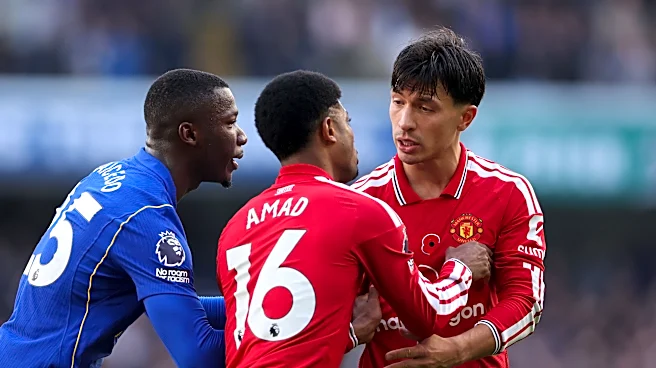
That job eventually went to Ruben Amorim. But if Pochettino is tapped to take the Portuguese coach's old job, could anyone blame him for leaving? Perhaps there would be some fan frustration, but the federation shouldn't, knowing the risk it took and getting a bit of insurance with the buyout. The players shouldn't, recognizing as professionals the opportunity that he would have.
"For us to have a manager who gets linked to those sorts of jobs means we're very lucky we're working with a top-level manager," U.S. defender Antonee Robinson said Tuesday, Nov. 10.
The comments Jamie Carragher made on a podcast that so enraged Aston Villa's owner were not wrong. There are certain clubs that always will operate on a higher level. "Grandes" in some countries, "the big [number]" in others, there are global brands that spark the imagination of any coach.
Manchester United is one of those clubs.
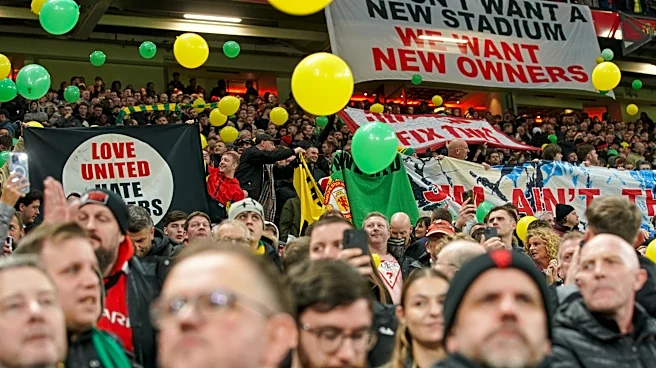
Pundits may question why Pochettino would leave the U.S., a job that has little pressure compared to the demands of Manchester United. The roster is not good enough to win the Premier League or to compete in European competition, and it's not clear ownership has the vision or the desire to get the club back to the days when it won title after title - and competed in Europe each year.
But Pochettino is an optimist. He wants to bet on himself. Yes, other coaches have tried and failed to bring the Red Devils back to their glory days. If he fails at Old Trafford, join the club! That club is now made up of coaches working at Real Madrid, AC Milan and Everton while others went on to roles at top clubs in the Bundesliga or Turkey.
And if he succeeds? If he is the man who is able to carry on Sir Alex Ferguson's legacy? Not only would the financial rewards be considerable, his reputation would be permanently cemented. He could return to the U.S. whenever he likes or set his sights on a job leading his native Argentina. He could do almost anything he likes in the sport.
The vision for the federation and for Pochettino and his staff seems to have truly been to have the 54-year-old at the helm for the 2030 World Cup.
"That's why I think for us every time we sign a contract, it's to go to the (full period) of the contract," Pochettino said in the summer.
"We signed the contract because we really believe we are going to be there four years," he continued. "If not, it's bad, no? If we don't believe in the process, if we don't believe in the journey, why would we sign four years? Only to be sure we're going to receive a salary at the end of the month? That's not nice. It's not the way we're thinking.
"We signed it because we think we can arrive to the end. But in life and less in football, nothing is sure."
What was certain is moments like these would arise. It's totally understandable Pochettino's head is turned. The U.S. knew that when it brought him on initially, and it had a better understanding of what that meant after the 2026 World Cup.
If the end of the Pochettino era is here, it's better for it to happen now - in the midst of a Concacaf Nations League quarterfinal - than next year when the U.S. will be fighting for two major trophies. That might be small consolation for fans who were sold four more years of the charismatic coach, but it's the risk the federation was always taking.
This article originally appeared on USA TODAY: Pochettino to Manchester United? This is what U.S. Soccer signed up for