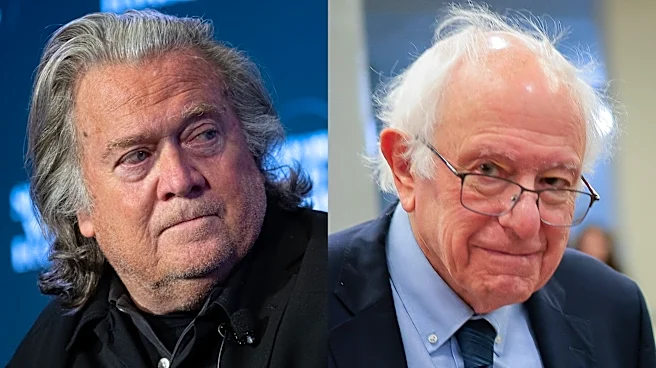







Two political figures from opposite sides of the spectrum – democratic socialist Vermont Sen. Bernie Sanders and conservative Trump ally Steve Bannon – have radically different ideas to solve the problem they find with AI.
Still, the two agreed on one thing: AI technology development is a threat that needs to be handled soon.
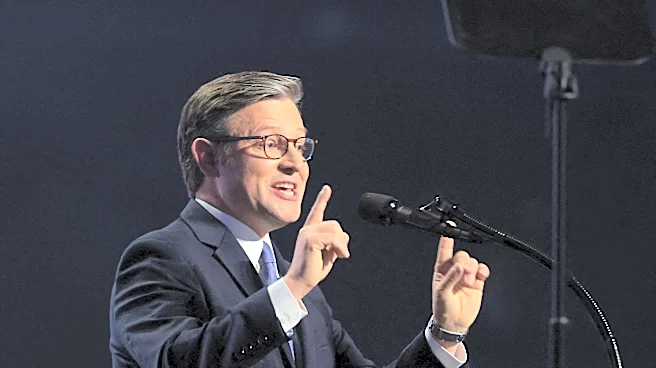
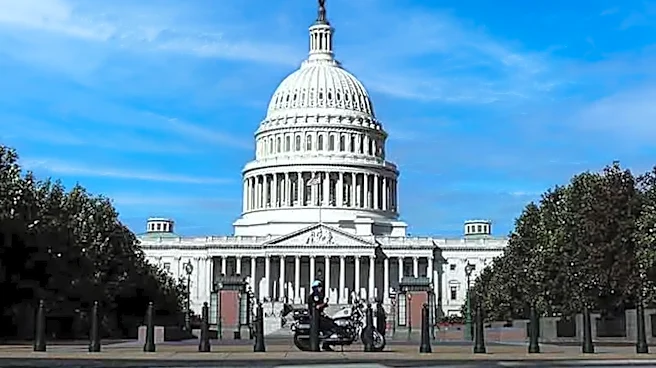
"We are at a dangerous and unprecedented moment in world history and it is imperative for all of us to stand up to the owners of the industry, to stand up to a government and both political parties that have not been as aggressive in any way shape or form as they should be," Sanders said on Tuesday, Sept. 15, at a "pro-human" event on Capitol Hill, which Bannon also spoke at.
The unlikely pairing promoting the same cause –
regulation of artificial intelligence – comes amid growing concerns among the American public and industry leaders over guardrails for AI.
The two have spent the past week using social media platforms to call for regulations on AI, in the wake of an Anthropic employee resigning while warning that AI could one day wipe out humanity, while tech leaders and members of Congress have called for slowing down the burgeoning technology.
Sanders and Bannon voiced very different approaches; the senator spoke about his legislation in Congress and hopes for a U.S.-China treaty, while Bannon called for quicker executive action. Both called for American citizens having a say in the process of AI development, and invoked Cold War nuclear development to say the country – and the world – faces a similar threat.
Sanders wants legislation, Bannon wants executive action
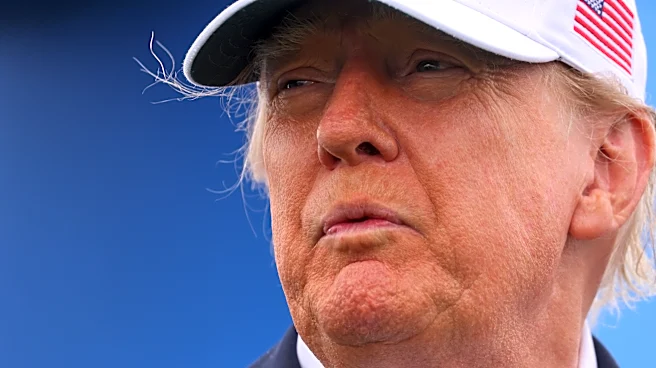
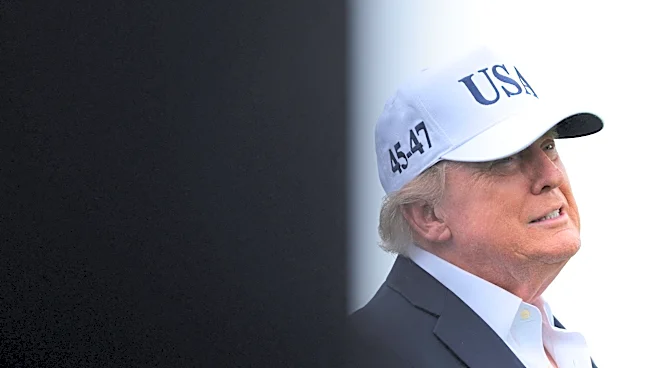
Sanders said that his colleagues in Congress have been "asleep at the wheel" in addressing guardrails on AI, and he slammed President Donald Trump as "embarrassing" for his responses that call AI alarms a "hoax."
Sanders said that he introduced legislation to ensure that the "big tech oligarchs must no longer be allowed to determine the future of humanity," and shared details about his plans next week to introduce more legislation with Rep. Greg Casar, D-Texas, to prevent AI from outsmarting humans.
Bannon countered, saying that "to slow down the pace" of AI, executive action is needed. He noted that "legislation will be enormously complicated and take a while.”
However, Bannon's suggestion comes as Trump – who would ultimately be the one needed for executive action – has doubled down on defending AI and calling the warnings a hoax.
How China plays a role in AI regulations
Sanders called on Trump to work with Chinese President Xi Jinping.
The two leaders are meeting next week for an AI summit, as well as for a state dinner on Thursday, Sept. 24. Sanders said Trump and Xi should negotiate a treaty "to establish a pause on advanced AI development and a ban on superintelligence."
The progressive left-wing senator recalled the United States and Soviet Union preventing nuclear war by coming together in a treaty, saying: "we are at a moment in time where the leaders of the United States and China must come together in a similar way."
Bannon brought up that history as well – but with a radically different approach. He invoked Cold War memories, though he characterized the history as the U.S. standing up to the Soviet Union.
The right-wing commentator called for "no deals" with China and to tell the country, "you're out of the AI business because we're going to shut your echo system down.” He called on U.S. institutions to refrain from enrolling Chinese nationalist students for research positions.
Taking on the 'oligarchs'
Sanders said that while AI has its benefits, for example in the health care system, people must look for AI regulations to ensure the technology "works for all of the people and does not simply make a handful of the richest people on Earth even richer."
"Let me make a radical suggestion. If the lives of every man, woman and children are going to be fundamentally changed by this technology, then the people of this country must make the decisions about AI and not just a handful of oligarchs," Sanders said.
Bannon slammed "four or five of the oligarchs" as disingenuous for calling for AI safeguards in the wake of the former Anthropic employee's warning. Of that group – which Sanders also spoke of and which included Elon Musk and Anthropic CEO Dario Amodei – Bannon alleged that their new concern is "a bold-faced lie" and called it "this phony, 'oh we really should have controls.'"
"All they're trying to do is use a crisis and turn it to their advantage by creating a mote, a cartel," Bannon said.
This article originally appeared on USA TODAY: Bannon, Sanders want to stop threat of AI – with vastly different approaches