






California is on track to become the first state to ban a popular countertop material amid a growing number of lung disease cases.
Quartz countertops, a common alternative to natural stone like marble, exploded in popularity over the last decade or so in the United States, due to their relative affordability, durability and easy maintenance. With that has also come an explosion of silicosis, a debilitating lung disease, in people who work with the material.
The artificial stone produces harmful dust when assembled, cut, ground, drilled, sanded, polished or otherwise processed, causing permanent lung damage to those exposed over time. Concern about the material has mounted in recent years, leading Australia to ban it altogether in 2024.
California,
where several quartz countertop manufacturers and fabricators are based, has seen a notable rise in cases.
"Hundreds of workers have been sickened making quartz countertops, a product we do not need, especially when a safer alternative is available,” said David Michaels, a professor at George Washington University's Milken Institute School of Public Health, in an August news release that accompanied a related study he co-authored. "Given the hundreds of diagnosed cases of silicosis in California, there are likely thousands of more cases across the country."
Californians now await the final word on a proposed regulation that would ban such products. Here's what to know.

What is silicosis?
Silica, a naturally occurring mineral used in many manufacturing processes, generally isn't toxic to humans. However, breathing in tiny silica particles over long periods can cause silicosis, a disease most common among those regularly exposed at work.
Some types of silica dust can take up to 10 years of exposure to cause lung disease, according to Cleveland Clinic. But acute silicosis can develop in five years or fewer, sometimes even within months. There are multiple ways in which the disease manifests; however, it fundamentally results in inflammation and permanent scarring of the lungs, which can become progressively worse, debilitating, and sometimes fatal, per the Centers for Disease Control and the American Lung Association (ALA).
There is no way to reverse the damage caused by silicosis, and some people require lung transplants by the time they are diagnosed. Common symptoms of the condition include persistent cough, shortness of breath, fatigue, chest pain and muscle weakness.
People who work in jobs that require chipping, cutting, drilling, or grinding soil, granite, slate, sandstone or other natural materials are at higher risk, according to the ALA. Some of the affected jobs can include those who do foundry work, stone countertop fabrication, mining, drilling, construction and dentistry.

Why is California moving to ban some quartz countertops?
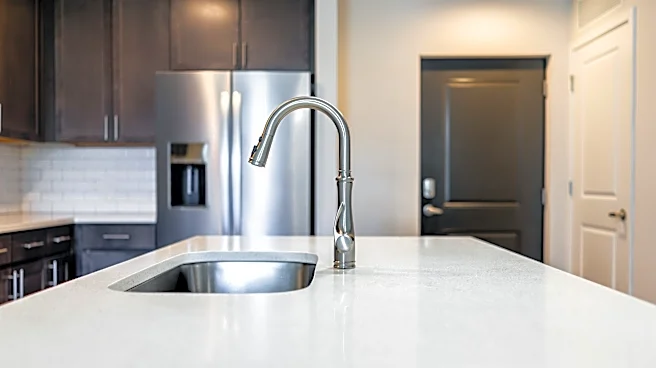
Engineered stones, also called artificial stone or quartz countertops, are man-made stone countertops designed to look like natural stone. They typically consist of about 90% to 95% crushed quartz and other minerals and 5% to 10% resin, polymers and pigments, per the CDC.
They also contain exceptionally high silica, much higher than natural stones like granite or marble, and have been linked to a cluster of illnesses in California. Stricter regulations on the creation of these materials were implemented, but the number of related illnesses continued to climb.
In May, more than 600 health professionals brought a petition calling for a ban on the manufacturing of quartz countertops in front of the California Occupational Safety and Health Standards Board, which agreed to move forward with the proposed rule.
The California Department of Public Health estimated in an Oct. 7 report that 662 silicosis cases, including 35 deaths and 75 cases resulting in lung transplants, have been diagnosed among quartz manufacturers and workers in the state since 2019. About 99% of those cases were in Latino workers, with the median age of death being 52.
In the petition, the California Division of Occupational Safety and Health, or Cal/OSHA, called the cluster of silicosis cases a "crisis."
"California is experiencing a rapidly worsening silicosis crisis among artificial stone workers, driven by dangerous materials and regulatory shortcomings," it said.
What happens now?
On Sept. 16, Cal/OSHA put forth the draft of an emergency order to ban the manufacturing and fabrication (which means any form of altering, like drilling, sanding or cutting) of quartz countertops and similar products containing more than 1% crystalline silica.
The public comment window for the ban closed Sept. 30, and it is currently under official review. The agency said it plans to offer updates in October; if the draft rule officially passes, it will likely be adopted within a year.
If adopted, the proposal would likely make it difficult or impossible for California fabricators to cut and finish traditional quartz countertops; however, it is unclear if the sale and installation will also be restricted.
The measure is aimed at workplace fabrication rather than homeowners with quartz countertops already installed, and the draft regulation notes exceptions for minor installations, maintenance and repair of said countertops.
This article originally appeared on USA TODAY: This state wants to ban these popular kitchen countertops