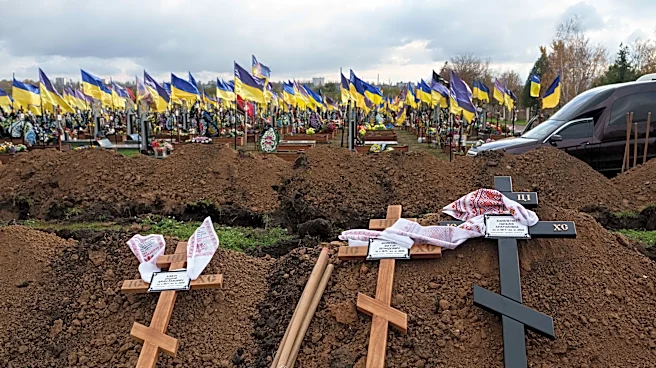

“Moscow has mined the United Nations.”
With those chilling words as Ukraine and Russia prepared for their first U.S.-mediated talks in nine months, Ukrainian Foreign Ministry spokesperson Heorhii Tykhyi
captured one of the most grotesque diplomatic contradictions in the history of the U.N.
In his social media post on Oct. 29, Tykhyi laid out his reasons – "Fact 1: After more than a decade of Russian aggression, Ukraine has become the most mine-contaminated country in the world. Fact 2: A serving Russian ambassador who has represented the regime throughout its full-scale war against Ukraine has been appointed to lead UN mine action. Two facts. One reality."
Just two days prior, U.N. Secretary-General António Guterres made a decision that defies both moral comprehension and basic operational security – by appointing Russian diplomat Gleb Desyatnikov as assistant secretary-general for mine action and police within the Department of Peace Operations. Effectively, the United Nations just handed oversight of its global humanitarian demining architecture and its international police contingents to Russia.
Forty-eight hours later, Moscow stood on the floor of the U.N. General Assembly’s First Committee (Disarmament and International Security) and cast a vote against the annual resolution supporting the anti-personnel mine treaty. To the heartbreak of humanitarian advocates, the United States joined Russia in voting no, retreating behind cold superpower deterrence doctrine at a moment when moral clarity is needed most.
'There is no trust' between Ukraine and Russia

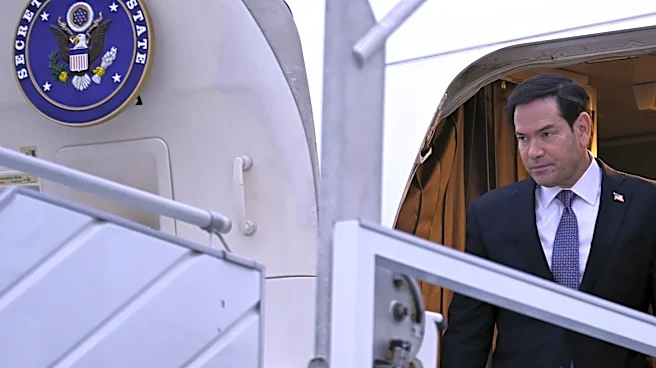
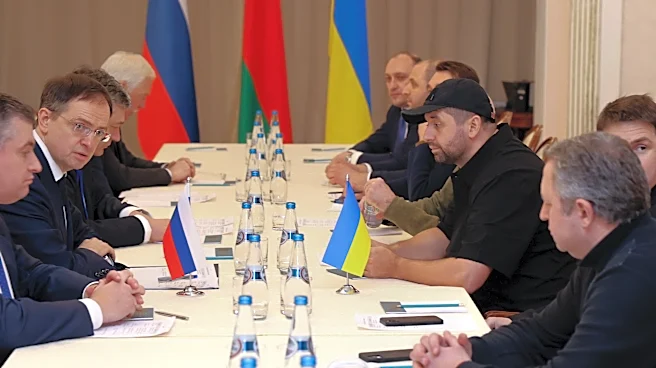
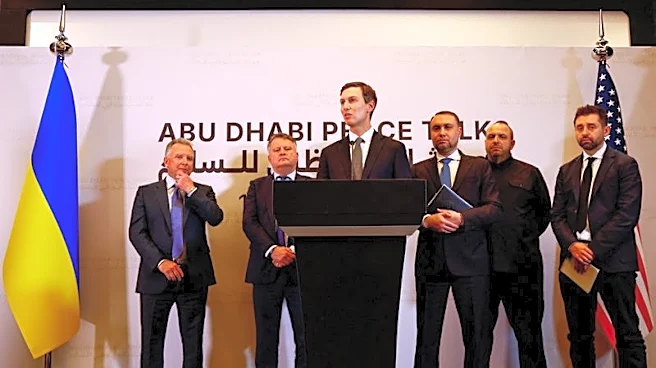
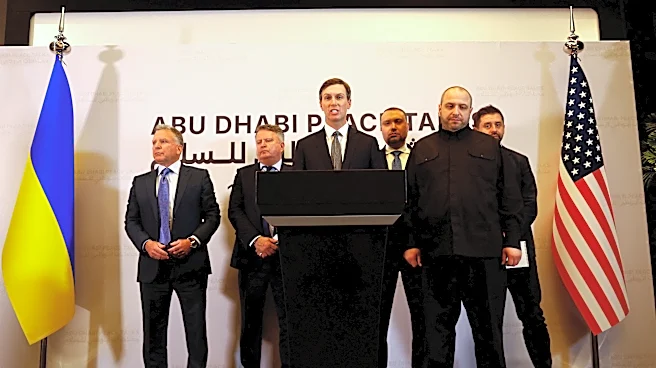
On Nov. 10, Russian and Ukrainian officials met for their first negotiations since February. The two-day talks in Abu Dhabi, United Arab Emirates – led by U.S. envoy Jared Kushner, President Donald Trump's son-in-law – ended with no breakthrough on ending the war that started when Russia invaded Ukraine on Feb. 24, 2022.
"The reality is there is no trust right now between the sides, and that is to be expected after a conflict like this," Kushner said on Nov. 11.
For months, Ukrainian Ambassador Andrii Melnyk has warned the U.N. General Assembly and the Security Council against allowing Russia – blacklisted by the secretary-general’s own reports for grave violations against children and conflict-related sexual violence – anywhere near peace and police mandates.
Humanitarian mine action is not a ceremonial ribbon to be pinned on an aggressor state’s lapel. Desyatnikov is stepping into the apex of global demining straight from actively promoting the Kremlin's war narratives in the diplomatic corps. He represents a government that entered its full-scale invasion with a stockpile of millions of land mines and uses them daily to terrorize civilian populations.
I know firsthand what that terror looks like both in the immediate wake of an invasion and half a century later.
In Ukraine, I saw the mirror image of my childhood in Laos
In the summer of 2025, I traveled through 23 cities and rural villages across Ukraine alongside colleagues and agricultural experts.
I stood at the edges of rich, black fields held hostage by explosive remnants of war. I held the hands of farmers staring out at the breadbasket of Europe – ancestral soil that Russian forces have transformed into a graveyard of trip wires, anti-personnel mines and other deadly munitions.
Looking at those fields in Ukraine, I saw the mirror image of my childhood in Laos, where the soil is still littered with war trash from America's secret war more than 50 years later.
As a little girl, I watched my father, a surgeon, spend his days operating on the mine-shattered bodies of villagers whose only crime was trying to harvest their rice fields.
Handing the U.N. demining effort to Russia is not merely an insult to every survivor learning to walk on a prosthetic limb and every deminer on their hands and knees probing the dirt. It is also a clear and present operational danger.
First, it compromises life-or-death intelligence. The office Desyatnikov leads sits atop the reporting chain for the Mine Action Service, which processes geospatial mapping, contamination surveys, critical infrastructure vulnerabilities and clearance corridors – not only in Ukraine but also across Syria and parts of Africa where Russian forces and Russian-backed mercenaries operate.
Handing a career Kremlin diplomat potential access to sensitive demining data in active theaters of Russian aggression is a catastrophic breach of security.

Second, it shatters the sacred trust that keeps humanitarian demining alive. Even when Washington falters on treaty votes, the United States remains the world’s largest donor to humanitarian demining, investing hundreds of millions of taxpayer dollars alongside European allies and Japan to clear unexploded ordnance globally. How can appropriators in Congress, Brussels or Tokyo responsibly route millions of dollars through U.N. trust funds when the overarching division is chaired by the very state planting the mines?
If the United States wishes to redeem its leadership after a deeply disappointing vote against the land mine treaty, it must draw an unyielding line. Until the U.N. secretary-general reverses this appointment or removes the Mine Action Service from this compromised reporting chain, donor governments must enforce strict financial firewalls, routing demining funds directly through vetted nongovernmental organizations and insulated country programs.
Simultaneously, U.S. leaders must demand binding guarantees that all geospatial and operational data from Ukraine are completely ring-fenced from Desyatnikov's office.
You do not hand the arsonist the keys to the fire brigade while he is still pouring gasoline on the harvest. The people of Ukraine, Laos and every war-scarred community on earth deserve a United Nations that clears the path to peace – not one that hands Moscow the shovel.
Sera Koulabdara is the CEO of Legacies of War and an advisory council member of the Campaign Against Arms Trade.
This article originally appeared on USA TODAY: As Ukraine-Russia talks fail again, U.N. undermines trust | Opinion