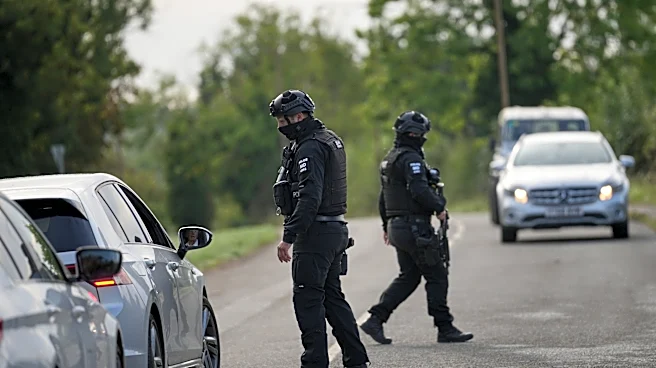






PARIS – U.S. military forces departed the Erbil Air Base in northern Iraq on Sept. 30, ending a two-decade American presence at a time when the U.S. war against Iran has created significant regional instability and emboldened the country’s Iran-backed militias.
The 2003 U.S. invasion of Iraq that deposed Saddam Hussein marked the beginning of a U.S. presence that lasted 23 years and resulted in the deaths of hundreds of thousands of Iraqi civilians and thousands of U.S. service members.
President Barack Obama oversaw the departure of U.S. forces from Iraq in 2011, ending a deeply unpopular war in which nearly 4,500 U.S. troops died. U.S. military personnel returned to Iraq just three years later, in June 2014, as part of Operation Inherent Resolve,
the Pentagon’s name for the international campaign against ISIS.

The closure of the Erbil Air Base marks the second U.S. withdrawal from Iraq. The departure of American forces completes an agreement reached by the Biden administration and Iraq’s government in 2024.
Pentagon spokesman Sean Parnell said in a statement on Sept. 30 that the withdrawal marks the end of a successful campaign that defeated ISIS and the “transition from a wartime coalition mission to an Iraqi-led security effort supported by a more normal bilateral security relationship.”
“The primary responsibility for addressing Iraq's remaining security challenges, including ISIS remnants and Iran-aligned militias that undermine Iraqi sovereignty and regional stability, now rests with the Government of Iraq,” Parnell added.
The Iraqi government initially intended to complete an effort to disarm Iran-backed militias in time for the U.S. withdrawal, but that timeline has been pushed back to June 2027, according to Iraqi Prime Minister Ali al-Zaidi.
For years, those militias in Iraq have targeted U.S. troops stationed in the region. In 2024, three American soldiers were killed and 70 were wounded in a drone attack in Jordan.
Since the start of the U.S.-Israeli war against Iran, American military and diplomatic personnel stationed in Iraq have faced more than 600 attacks from Iran and Iranian-backed militias, according to a report from the Pentagon’s official watchdog.
Middle East experts said that the timing of the U.S. military’s departure is not a great look for Washington amid its ongoing war against Iran.
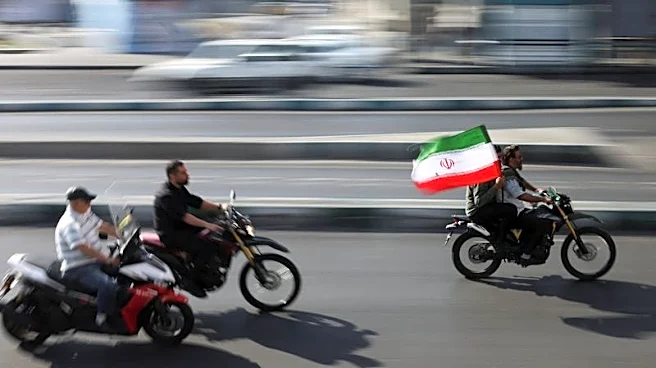
“The optics of this are not great,” Jason H. Campbell, a senior fellow at the Middle East Institute, said in an interview. “This is certainly, at the very least, a propaganda victory for Iran and its affiliated organizations and militias within Iraq.”
President Donald Trump decided to move forward with the U.S. military withdrawal despite the war with Iran and Iraq’s struggle to get the militias to disarm.
“We don't think we need the military there anymore,” Trump said during a meeting at the White House with al-Zaidi in July.
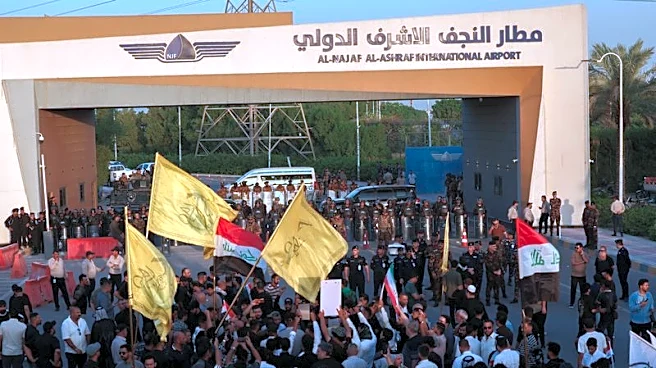
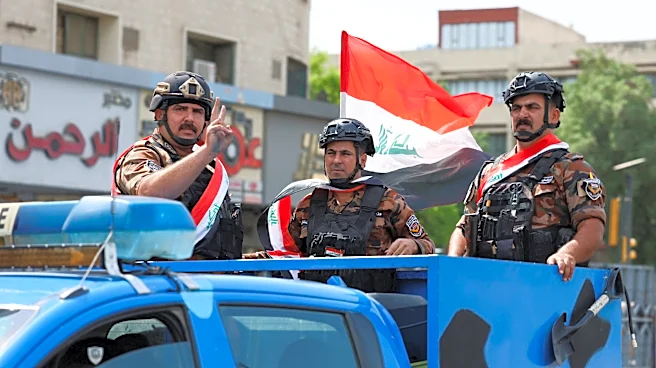
The government of Iraq held a parade in Baghdad to celebrate the withdrawal of U.S. troops, labeling Sept. 30 as “Sovereignty Day.”
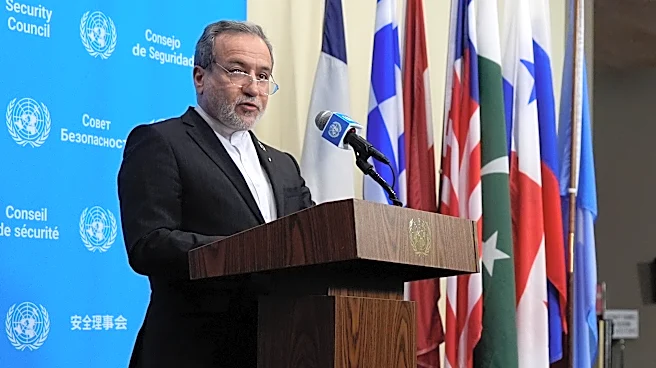
In a speech to the United Nations on Sept. 25, al-Zaidi said that “with the end of the international coalition’s mission in Iraq, we are moving our relationship with our strategic partners to a new phase.”
“We add to Iraqis’ victory over terrorism a redoubled determination and momentum to finish building our military and security capacities in order to protect our country, our people and our sovereignty,” he added.
The departure of U.S. forces, however, could threaten Iraq’s security and leave U.S. regional allies vulnerable to Iran-backed militias.
“You have these militias that have demonstrated both a capability and willingness to strike not only U.S. and affiliates targets within Iraq, but also pipelines and other key infrastructure in Saudi Arabia and Kurdish positions in the north,” Campbell said.
Alan Eyre, a former U.S. diplomat stationed in the Middle East, told USA TODAY that “America’s military withdrawal from Iraq signals a long-term strategic victory for Iran, which seeks to dominate both Iraq and the region.”
“Seen in conjunction with America’s diminished strategic position due to the current Iran war, it is hard to avoid the conclusion that U.S. regional influence is on the wane,” Eyre added.
This article originally appeared on USA TODAY: After two decades, US forces exit Iraq amid an ongoing war with Iran