



There comes a time in every puppy’s life when it’s time to get spayed or neutered.
What that timing looks like varies based on a few factors, such as your dog’s age and breed. And despite what you may have heard, the American Veterinary Medical Association (AVMA) says there is no known benefit to waiting until after your dog has gone into heat before getting her spayed.
The simplest way to figure out the right time is to talk to your dog's veterinarian.
Most spay or neuter procedures will allow your pet to come home the same day, so it's important to be prepared so they can be comfortable in their recovery.
Watch this video for tips on helping your dog recover after they’ve been spayed or neutered.
Spay vs. neuter
Getting your pet fixed doesn’t just prevent babies,
it can also prevent behavioral issues and help your pet live longer, according to the AVMA.
If you’re wondering what the difference is between spaying and neutering and which is best for your pet, the answer is simple: What gender is your pet?
Females are spayed. Males are neutered.
Affordable spay and neuter clinic
Getting your dog fixed can be expensive, but it shouldn’t break the bank. This cost should also be something you factor in before bringing home your pet.
If getting the procedure done at your vet’s office is pricier than you’d like, look for spay and neuter clinics in your area. Many shelters and humane societies offer low-cost options. In some cases, they may offer it for free.
Shop top-rated related products:

QUMY Dog Shoes for Hot Pavement
Keep your pet's feet protected through hot temps or cold, icy weather with these handy dog shoes.
Shop at Amazon

Cat Water Fountain
This isn't your usual pet water fountain; it's automatic, with replacement filters and a comfy silicone mat.
Shop at Amazon
Caring for your dog after surgery
After surgery, recovery is key. Some blood, swelling and general discomfort from your dog is to be expected.
Follow the vet or clinic’s instructions when it comes to any post-surgery medicine or things specific to your dog’s recovery.
Immediately after surgery:
Set up a cozy and comfortable place indoors for your pup. Consider adding a towel to the area if their incision is still bleeding.
Your dog will probably want to nap all day, but encourage them to get up and move regularly to help shake off the anesthesia.
When it’s dinner time, offer smaller meals in case their stomach is still a bit upset. They may not be interested, but leave the food and water so they can indulge if they change their mind.
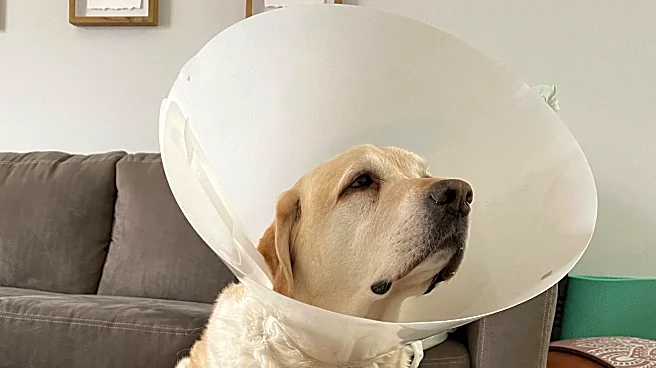
Keep a close eye on the incision and make sure they’re not licking it or chewing at the stitches. Otherwise, they might need to be sentenced to the cone of shame.
In the following days and weeks:
Limit your dog’s activity to prevent the stitches from opening. This means no running, jumping or swimming to keep the incision dry.
If the swelling isn’t improving over time, the incision won’t stop bleeding. If your dog isn’t eating or drinking like usual, call your vet or emergency vet right away.
This article originally appeared on USA TODAY: Care for your dog after they've been spayed or neutered