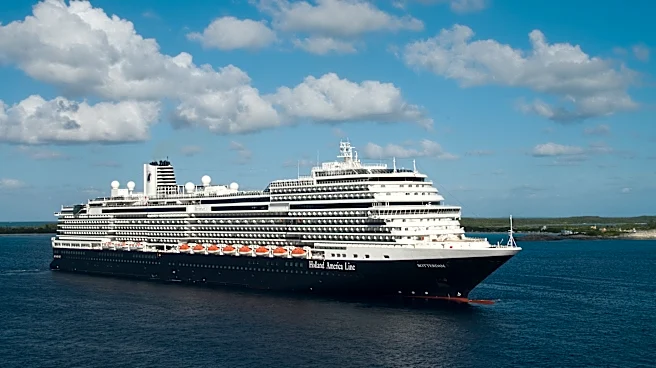



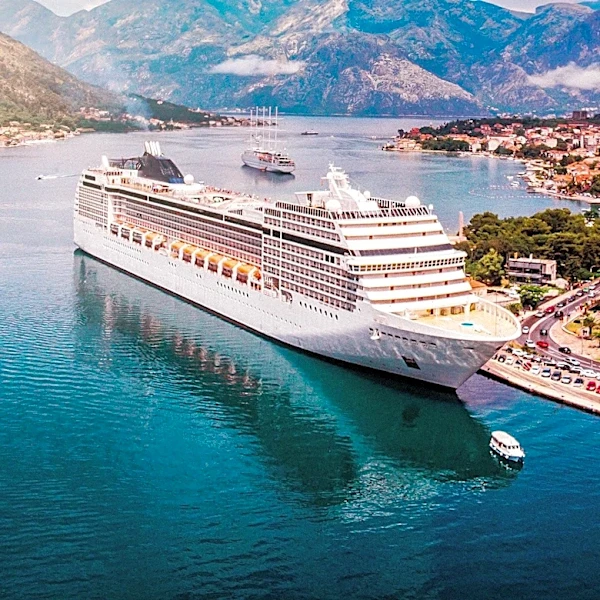


During my Holland America Line cruise, the ship got me only so close to my destination.
I hoped to visit Omaha Beach in Normandy, France, where U.S. forces landed on D-Day, but our ship docked in Le Havre, about an hour and 40 minutes away by car. While the cruise line offered excursions to the area, my boyfriend and I opted to book a rental car and make a day trip of it – complete with a stop at a roadside bakery for jambon-beurre sandwiches.
Our self-designed outing went smoothly, and we made it back to the ship on time, but new cruisers may not always realize that marquee destinations can be quite a distance from where ships dock.
However, there are ways to plan accordingly – and even avoid the long trek altogether.
Why do cruises stop at far away ports?
Deep water ports equipped
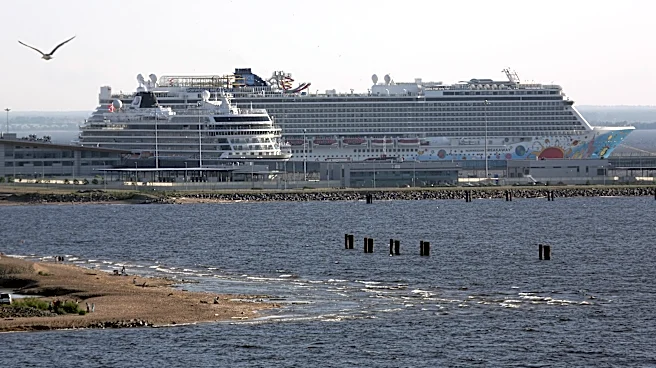
to accommodate large cruise ships can be located an hour or more away from tourist centers, according to Jared Feldman, owner of travel agency Jafeldma Travel.
"Modern cruise ships, they're like floating cities, so they need deep channels, long berths, robust security," he said. "And especially with Europe's most iconic cities, they're not coastal, so the nearest suitable seaport is inevitably going to be some distance away."
Examples include Civitavecchia, Italy, which offers access to Rome but is located about 40 minutes by train or an hour away by car, and Southampton in England, over an hour by train from London and a nearly two-hour drive. In the U.S., Port Canaveral, the port for Orlando, is located roughly an hour by car from the area’s major theme parks.
Cruise lines often denote those port cities on itineraries in parentheses next to the name of the better-known destination.
"Cruise lines, they're selling itineraries, not necessarily individual destinations," Feldman said. Listed stops like Rome or Florence – the latter of which is accessible via La Spezia or Livorno – are "really like a shorthand for a region, not necessarily a guarantee that you're going to be stepping off the gangway in that city center."

How to make the most of your time in port
Feldman said when ports are far from popular destinations, cruise lines often arrive early and stay late to give guests more time there.
Holland America, for example, visits Le Havre two to three times a year on average with calls usually lasting from 7 a.m. into the mid-evening, the cruise line told USA TODAY. In addition to visiting the D-Day landing beaches and other activities, guests can book excursions to Paris, about a two-hour train ride or two-and-a-half-hour drive away.
The cruise line also visits Cherbourg once or twice a year, which is closer to sites like Omaha Beach but farther from Paris (Holland America does not offer Paris excursions there).
Even long outings are doable. I booked a 10-and-a-half-hour excursion through Royal Caribbean that included a morning visit to Pisa followed by a pasta lunch and free time in Florence when my cruise stopped in La Spezia in July.
Packing so much in seemed daunting, but our tour guide kept us on schedule and the day flew by as we took photos of the Leaning Tower of Pisa and explored Florence’s historic streets on foot – and made it back in plenty of time to catch a tender to the ship.
Paul Kiritsy, CEO of Shore Excursions Group, an excursion company, argued that for cruise passengers, "it’s less about distance and much more about maximizing the experience in port."
"Some of the world’s most iconic cruise experiences – including destinations such as Rome and Florence – naturally involve more travel time from the port, and they remain among the most popular excursions because they give guests the opportunity to experience the landmarks and places they came to experience," he told USA TODAY in an email.

The company’s return-to-ship guarantee also promises it will "arrange and pay for your accommodations, meals, and transportation to the next port of call, and we will pay you an additional $1,000 USD per customer for the inconvenience" if a tour’s late arrival causes participants to miss their ship, according to its website (though those instances are rare).
The company also takes a "disciplined approach" to curating its portfolio, Kiritsy added.
"Our team of experts identify the best options in top cruise destinations around the world – featuring local tour guides with decades of experience in delivering excellent experiences," he said. "We review where cruisers are sailing and identify experiences that are immersive, unique, authentic, and offered to cruisers at the best value. In addition, we take into consideration breadth of product to ensure we offer a substantial variety of tours for all types of travelers, including cultural/historical tours, scenic, water-based activities, culinary, nature, active/adventure, and more."
Plenty of ports visited by mainstream lines are in convenient locales, but some styles of cruising are particularly known for getting guests close to the action.
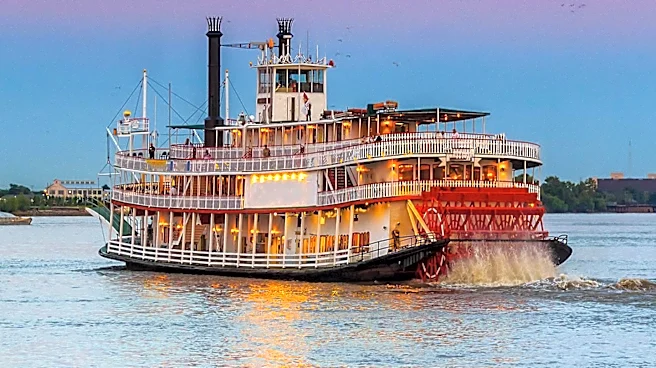
River cruises, for example, "will nearly in all cases, get you closest to the city center with very, very minimal transit time, if any," Feldman said.
With some destinations enacting limits on cruises, including restrictions on the size of ships or number of guests that can visit, small ships – which can have as few as a couple hundred passengers – may be able to go where bigger vessels can’t. "So by electing to go on a smaller ship, they're underneath those capacity limits that are set, and they're able to dock and just get a lot closer to that port city," Feldman added.
Contributing: Josh Rivera, USA TODAY
Nathan Diller is a consumer travel reporter for USA TODAY based in Nashville. You can reach him at ndiller@usatoday.com.
This article originally appeared on USA TODAY: Why cruise ports may be far from the destinations guests want to visit