

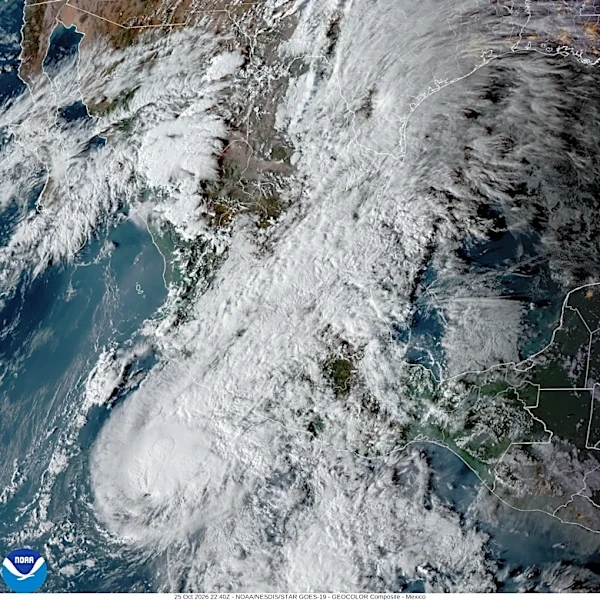


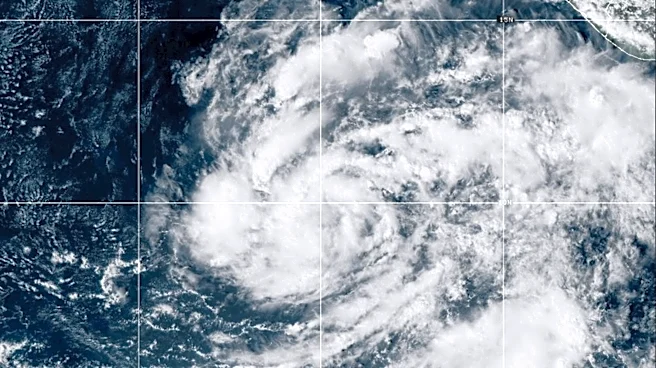

A powerful l El Niño is taking shape in the Pacific Ocean, and it could influence everything from temperatures to precipitation this winter thousands of miles away in Washington DC.
The developing weather phenomenon has been labeled a "behemoth" and is forecast to rank among the strongest El Niño events observed in decades.
The National Oceanic and Atmospheric Administration's latest winter outlook offers a glimpse of what DC could expect, though snowfall totals remain uncertain.
What is El Niño? How could El Niño affect Washington DC's winter?
El Niño occurs when sea surface temperatures in the central and eastern tropical Pacific Ocean become warmer than usual, influencing atmospheric circulation and weather patterns around the world.
The effects vary by region and from one El Niño event to another. Other atmospheric
patterns also play a role, making it difficult to predict exactly how the climate phenomenon will affect a particular city months ahead of time.
The National Weather Service's Climate Prediction Center said earlier this month a strong to very strong El Niño is likely to persist through early 2027. Forecasters gave the developing event a substantial chance of becoming one of the strongest since records began in 1950.
For the DC region, NOAA's winter outlook predicts above-average temperatures and wetter-than-average conditions.
The agency's forecast points to a 40% to 50% chance of above-normal temperatures in the DC area, along with roughly a 50% chance of above-normal precipitation.
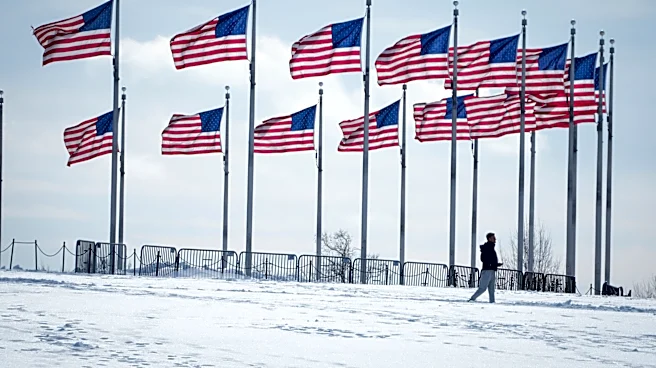
That could mean a winter with more precipitation but fewer consistently cold stretches. However, a warmer winter does not rule out brief periods of frigid weather or the right combinations for a significant snowstorm.
El Niño's influence is often more pronounced in certain parts of the United States than others. The southern U.S., for example, tends to have better odds of wetter-than-average conditions during El Niño winters, while the effects across the Mid-Atlantic aren't as consistent.
For DC-area residents, the big question is how often winter precipitation will coincide with the cold air needed to bring snow instead of rain.
This article originally appeared on USA TODAY: What 'behemoth' El Niño could mean for Washington DC's winter weather