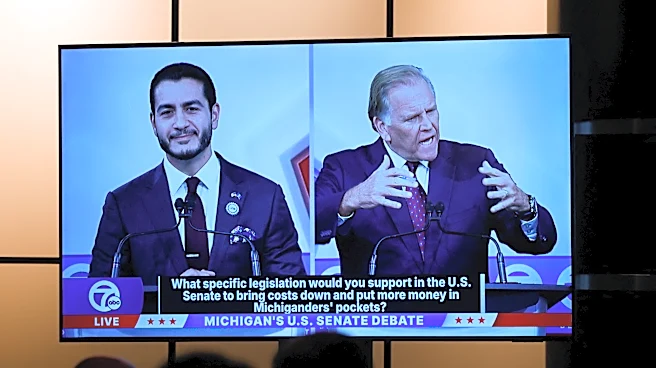


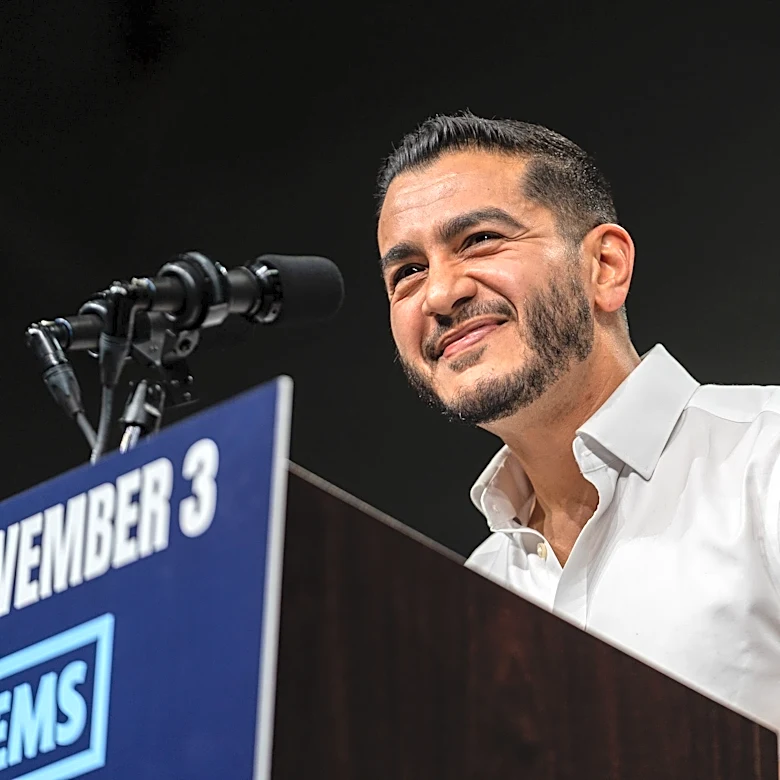

Republicans are ramping up Islamophobic attacks against Democratic Michigan Senate nominee Abdul El-Sayed, using recent campaign trail appearances to claim he would be a threat to American security if elected.
At an Oct. 28 event near Detroit, Sen. Ted Cruz called El-Sayed a "jihadist leprechaun" and said he believed El-Sayed was a "passionate supporter" of the Muslim Brotherhood, a group the Democrat has disavowed. The Texas Republican said that if El-Sayed wins and is put on the Senate Intelligence Committee, there is a risk that "Americans will die as a result."
Cruz said he believed the Democratic candidate could use the panel to help terrorists avoid detection by U.S. troops or intelligence operatives.
"We have every reason to believe that
Abdul El-Sayed, if he found out, 'OK, they're about to apprehend these terrorists,’ that he would let those terrorists know," the senator said.
Cruz’s comments are the latest escalation in Islamophobic rhetoricfrom Republicans against El-Sayed, who would be the first Muslim American elected to the U.S. Senate if he wins on Nov. 3.
El-Sayed, a 41-year-old former Wayne County health director, is one of several sharp critics of the U.S. alliance with Israel to have won tough primaries this year. No other candidate, however, has faced the same suggestions about their loyalty to the United States.
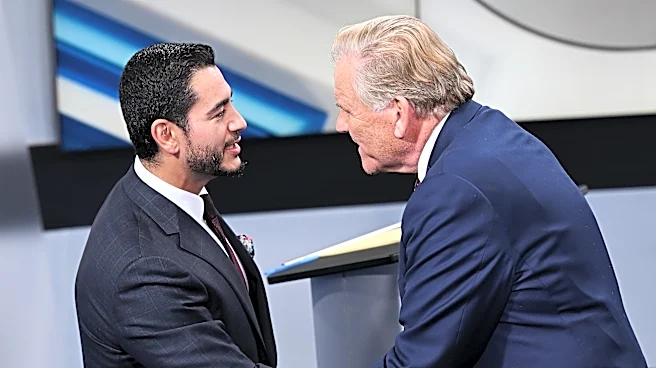
His Republican opponent, former Rep. Mike Rogers, has accused him of supporting the Muslim Brotherhood, an Islamist activist group that has formed chapters around the world since its 1928 founding in Egypt. The United States designated the Egypt, Jordan and Lebanon branches of the organization as terrorist organizations in January.
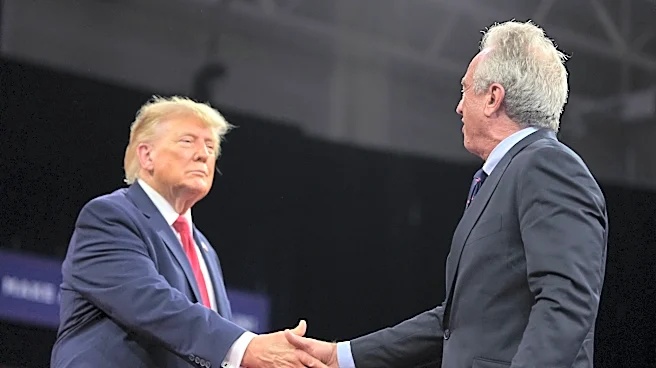
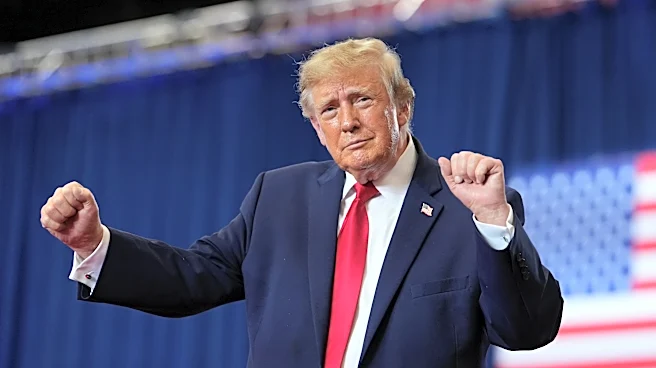
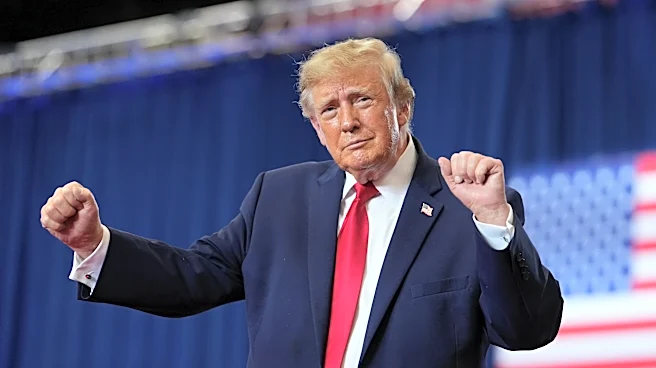
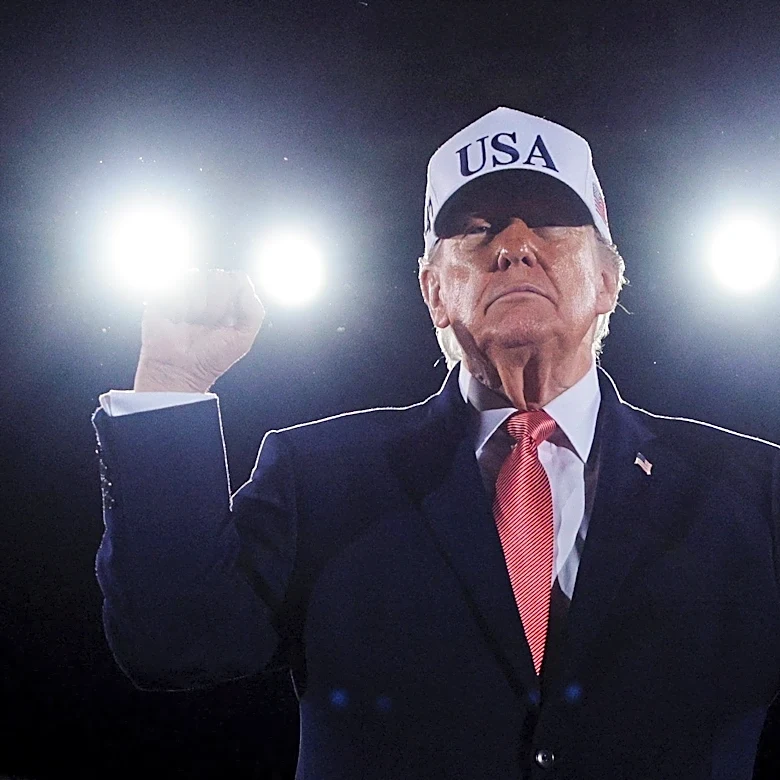
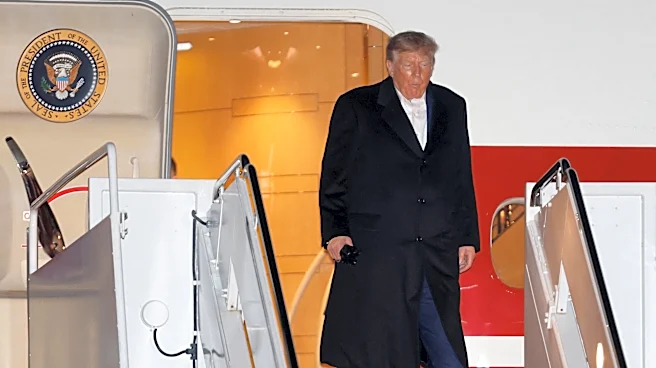
Rogers’ allies have only intensified their attacks against El-Sayed in the final days of the race. During an Oct. 25 rally in Port Huron, Michigan, President Donald Trump called El-Sayed a "jihadist" and falsely said he wants to bring Sharia law to the United States.
If El-Sayed and Democrats prevail on Nov. 3, Trump said, they would "open the floodgates and invite hordes of jihadists to our shores."
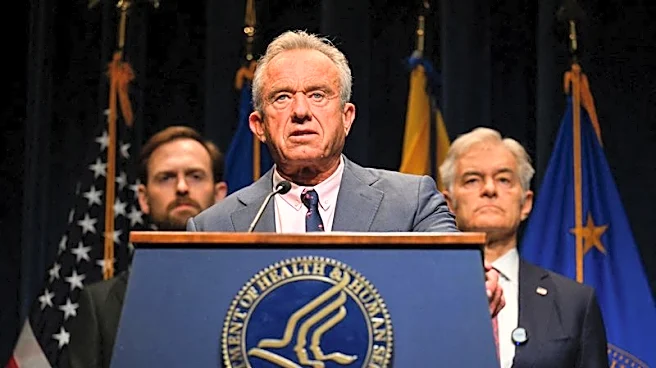
A day later, while campaigning for Rogers in Grand Rapids, Michigan, Health and Human Services Secretary Robert F. Kennedy Jr. said Arabs no longer win awards for scientific or literary work because the Muslim Brotherhood had "created stagnant societies." Arab and Muslim scientists, academics and artists have won prominent awards for art, science, math and humanitarian work in recent years, including multiple Nobel Prizes.
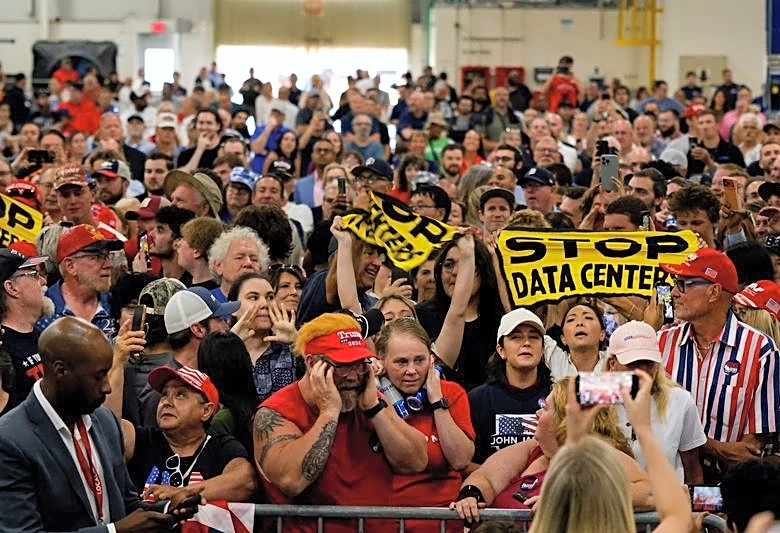
And on Oct. 28, at an evening Trump rally in Ohio, Sen. Bernie Moreno said El-Sayed was an "affront" to him as a naturalized U.S. citizen.
"Do you think he understands that concept, that our rights come from God almighty? That Jesus came here for our salvation?" said Moreno, who was born in Colombia. "He should be nowhere near Washington, DC."
El-Sayed has disavowed the Muslim Brotherhood and denied having any association with the organization.
Cole Wozniak, a spokesperson for the El-Sayed campaign, called Cruz "a deeply unpopular politician who has long supported policies that hurt Michigan families" in a statement.
"His dangerous comments are just the latest example of Mike Rogers and his MAGA allies attempting to distract voters from the fact that the price of gas, groceries, and everything else has skyrocketed due to the failed policies of the Trump administration," the statement read.
Civil rights groups concerned
The inflammatory rhetoric has worried Arab and Muslim American advocacy groups, who say that while they are used to an uptick in Islamophobic attacks during elections, this year is unprecedented.
"The level of vitriol, the extent of it, and the, frankly, dangerous nature of it is something that we have never seen," Edward Ahmed Mitchell, the national deputy director of the Council on American-Islamic Relations, told USA TODAY.
Rogers has said his criticisms of El-Sayed aren't tied to his faith, but what he says is his ideology. He has said he doesn’t agree with comments from the president calling El-Sayed a terrorist.
"This is not about Islam. It’s not about how he prays,” Rogers told NBC News' "Meet the Press" on Oct. 25. "It is about his adherence to this radical Islamic agenda."
Republicans have sought to link El-Sayed to the Muslim Brotherhood by pointing to a 2011 op-ed he wrote calling for the United States to support pro-democracy student protestors against Egypt’s authoritarian government and a 2012 open letter he signed supporting then-Egyptian President Mohamed Morsi, who was elected with support from the Muslim Brotherhood.

Republicans have also pointed to comments his half-sister made on social media in 2012 discussing their mother’s work with the Muslim Brotherhood in the 1970s as a college student in Egypt. El-Sayed, who was born in Michigan to Egyptian immigrants, was raised by his father and stepmother after his parents divorced when he was three years old.
El-Sayed has compared the attacks to the “dual loyalty” questions John F. Kennedy, America's first Catholic president, faced when he ran for office in 1960. During a recent viral town hall encounter with a GOP operative, El-Sayed expressed his love for the country and said that the U.S. Constitution and its protection of religious freedom would guide him in office.
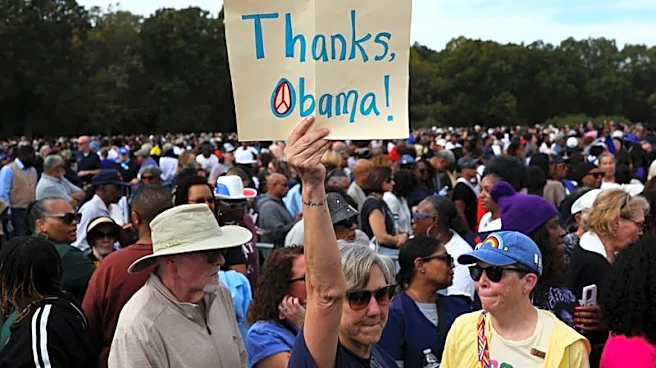
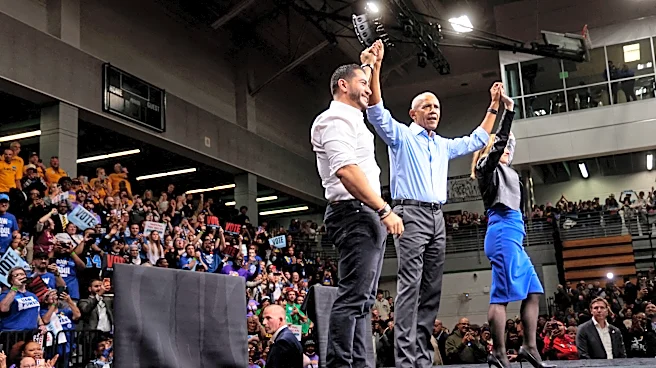
Key Democrats have also come to his defense, including former President Barack Obama, who Trump falsely claimed was born in Kenya and ineligible to be president. Many Republican voters also falsely believed that Obama was Muslim.
"We have seen this movie before. I starred in it," Obama said at an Oct. 24 rally in Detroit. "This stuff didn’t work on me, not in Michigan. It’s not going to work on Abdul."
This article originally appeared on USA TODAY: GOP makes Islamophobic attacks against El-Sayed in Michigan Senate race