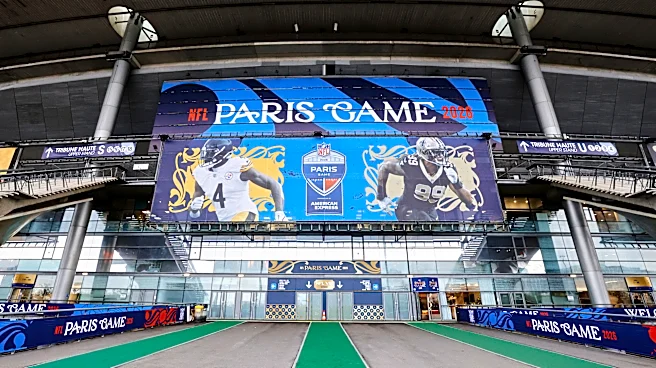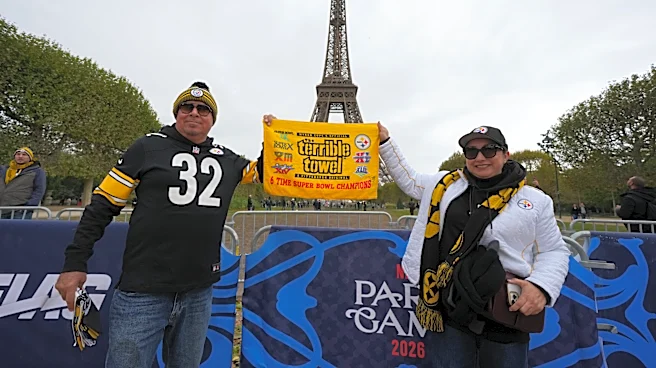


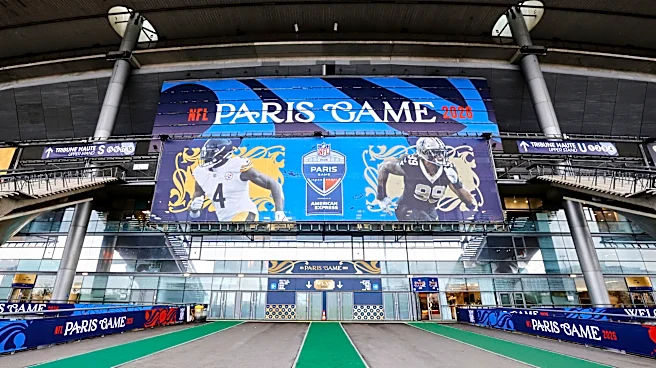

Many Americans traveled to France to watch the NFL's first regular season game in the country.
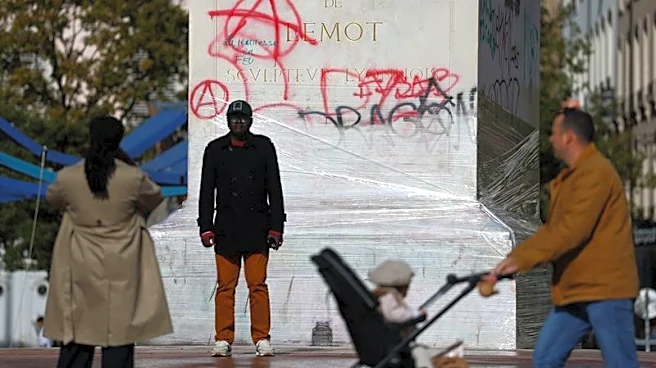
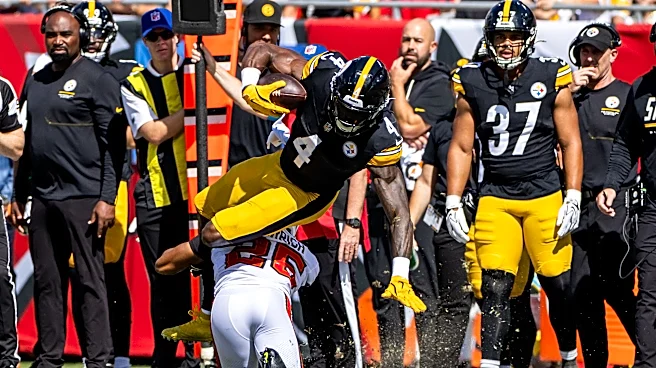
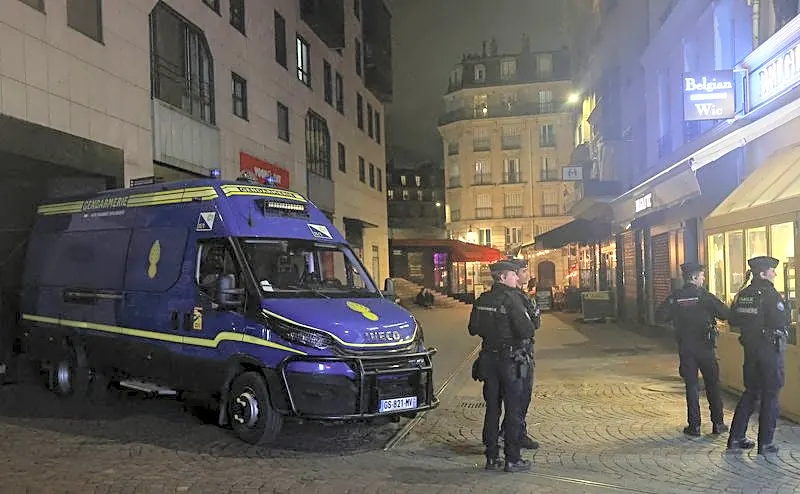
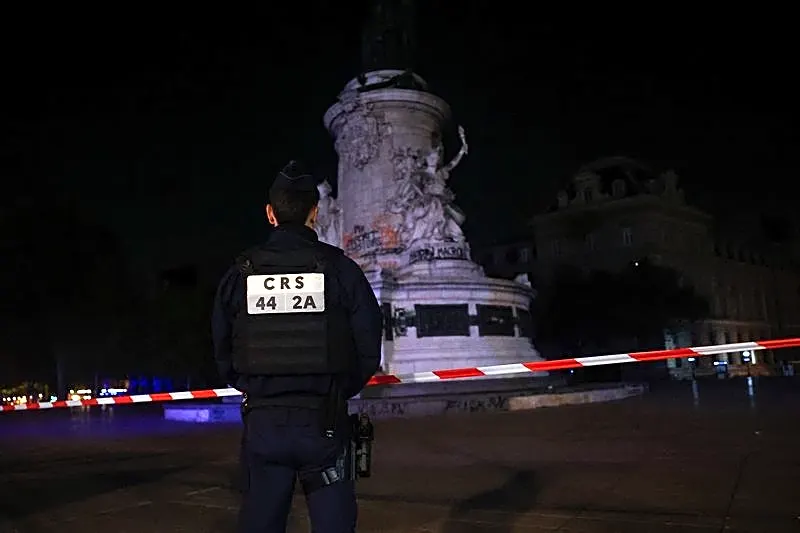
The Pittsburgh Steelers are set to face the New Orleans Saints on Sunday, Oct. 25, at Stade de France in Paris, a day after hundreds of thousands of demonstrators marched in the country, with largely peaceful rallies giving way to clashes in Paris and Marseille as night fell despite a huge security operation aimed at preventing the violence that broke out a week earlier as protests gripped France.
The country's Interior Ministry said 410,000 people took part in protests nationwide on Saturday, Oct. 24, though unions said the true figure was twice as high. The main demonstration took place on the southeastern fringes of Paris, where at least 110,000 people turned
out to denounce rising living costs and growing inequality, according to Reuters.
Fred Zelt, a 67-year-old Steelers fan, arrived in the French capital more than a week before the game.
"We saw (last Saturday) a march of probably several hundred students. It was completely peaceful," he told Reuters on Friday, Oct. 23.
"Every place we've been seemed calm and normal to us. We now see shops boarding up windows. There are lots of people out. People are having a good time, and we're not overly worried."
The NFL pop-up store, where Zelt visited Friday, was closed on Saturday, the league said.
Here's what to know about the protests and the game:
Are the Paris protests near the Steelers vs. Saints stadium?
The game is taking place at Stade de France, which is located in Saint-Denis, a suburb that borders Paris to the northeast and is about six miles from the areas where most of the protests have taken place so far.
The NFL said it is working in close partnership with security at Stade de France, which was the focal point of the 2024 Summer Olympics in the city.

How did the protests start?
The protests in France started late last month as high school and university students demanded more government funding for education and better conditions in schools. Students walked out of class and blockaded schools with dumpsters over France’s budget plan, which proposed cuts to education. Labor unions, farmers and other workers’ groups later took to the streets as well, turning the protests into a broader anti-government movement.
The students took to the streets to express their anger at unfilled teaching positions, run-down school buildings and systemic inequalities in the educational system.
The protesters have focused their anger on French President Emmanuel Macron, who they blame for the rising cost of living and record-high oil prices. Macron’s 10-year tenure as president of France will end in May, and the presidential candidates vying to succeed him have sought to capitalize on the public discontent.
Why did the protests become violent?
The anti-government protests escalated as labor unions and others joined in, and social media accounts affiliated with the “yellow vest” protest movement promoted the protests.
The U.S.-Israeli war against Iran has driven up fuel prices around the world. Europe has been hit particularly hard by the energy crisis.
Macron said in a televised address on Oct. 18 that some of the protesters have “legitimate” complaints about rising energy costs that stem from the Iran war, which “France was not part of.”
The protests, which started off as peaceful, turned violent as rioters seized an opportunity to destroy property, including storefronts and government buildings. Macron and other French politicians have condemned the rioting and pledged to prosecute the perpetrators of the violence.
What the NFL said about security in Paris
The NFL has maintained that it has no security concerns about playing the game in Paris.
“We’re confident in our operational and security plans,” NFL vice president for international and club business Peter O’Reilly said during the league’s fall meeting Tuesday, Oct. 20.
O'Reilly said the league is cooperating with Parisian and French authorities, as well as the United States State Department.
"Obviously being very vigilant in everything we do, in all of our planning on an hour-by-hour basis, working closely with the two teams," he said.
NFL chief security officer Cathy Lanier is on the ground in France and the league is confident in its plans to keep players, staff and personnel safe. The NFL was "never close" to considering moving the game, O'Reilly said.
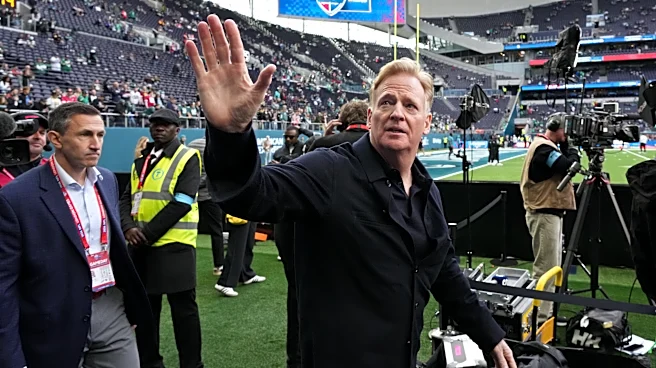
"Very high is my comfort level," said NFL commissioner Roger Goodell, who was boarding a plane bound for Paris Wednesday. "We're guests in the country."
What Mike McCarthy, Aaron Rodgers said about Paris security
Steelers coach Mike McCarthy said NFL officials met with the teams before they flew to Paris.
“The team is excited about playing over there,” McCarthy told reporters at his weekly news conference. “We’re in contact with the league. We had a Zoom call today with the league office, which is the normal protocol before you get over there. With the whole team. So we feel like we have a really good plan. We’re aware of the situation over there and have a lot of confidence in our plan.”
Steelers quarterback and four-time NFL MVP Aaron Rodgers said Friday he was confident the game would go ahead as planned.
"I definitely think that the NFL is alert to what's going on," he told a press conference on Friday. "This game means a lot to the NFL. If it was unsafe, then I'm sure we wouldn't be here."
What President Donald Trump said
President Donald Trump expressed concern about the NFL's decision to proceed with the game.
“You worry about it," Trump told reporters at the White House on Friday as he left for a rally in Florida. "I think it looks like tomorrow is going to be a bad day in France, so you worry about it. I would have said the NFL could have probably postponed that match. France is really in trouble. That’s what happens when you go left. That's what happens when you allow unlimited numbers of people into your country from very unfriendly countries."
Trump alleged in a social media post on Oct. 19 that immigrants are responsible for the looting in France, but French politicians have cast blame on criminals and far-left groups.
“Ultraleft groups organized the violence in several French cities,” French Prime Minister Sébastien Lecornu wrote. “Delinquents joined in to pillage and destroy.”
Reuters, Mark Giannotto and Adam Bittner contributed to this report.
This article originally appeared on USA TODAY: What to know about French protests before Steelers vs. Saints in Paris