




Over the past couple of years, stock-market skeptics kept talking of an artificial intelligence bubble.
AI stocks looked overpriced. The stock prices hinged on massive, possibly unrealistic expectations of revenues and profits for the AI giants. And the whole AI enterprise hinged on trillions of borrowed dollars.
Month after month, stock traders mostly shrugged off those concerns, and share prices kept rising.
Has the AI bubble finally burst?
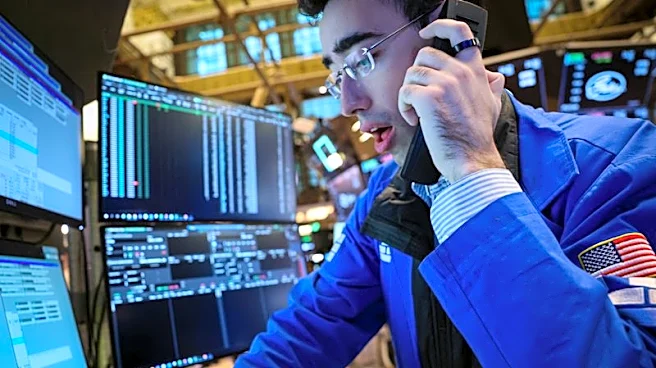
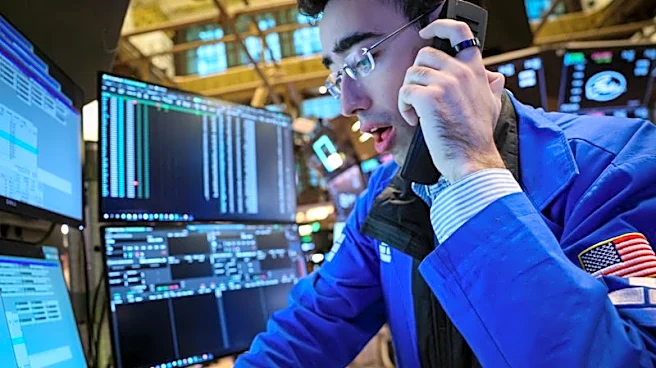
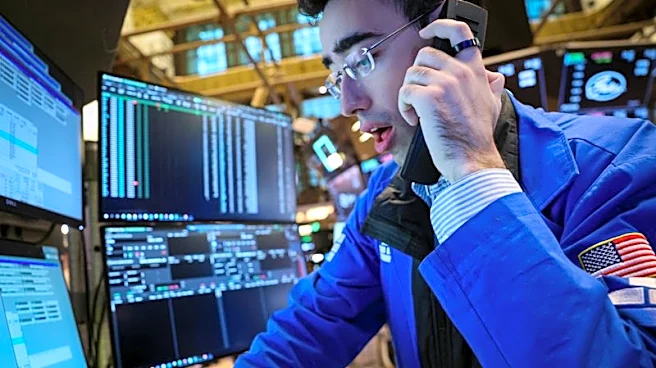
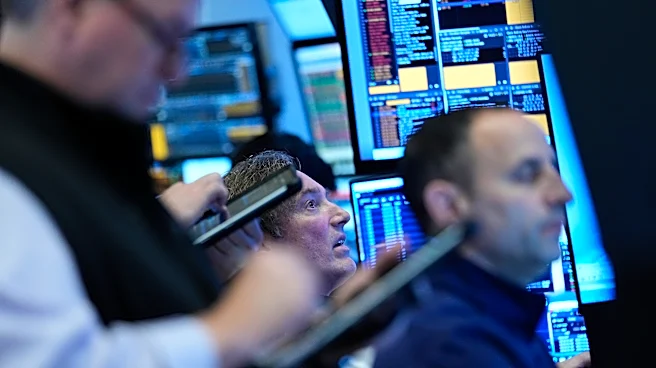
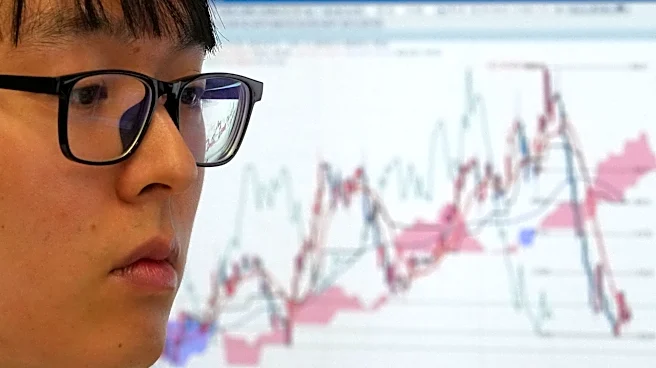
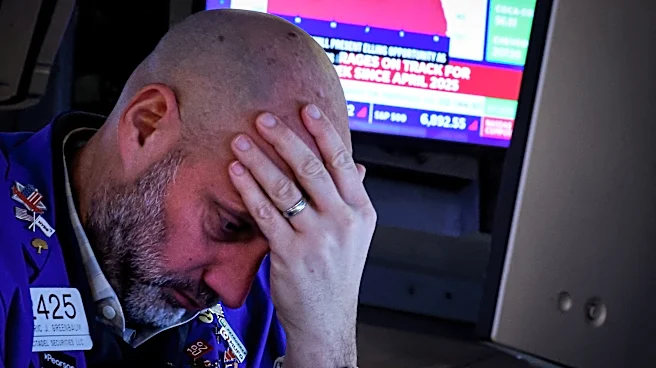
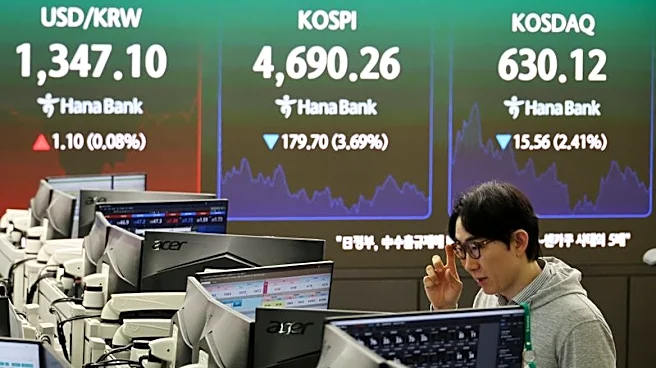
The stock market sank deep into "correction" territory in the week that ended Nov. 20. The S&P 500 ended the week at 6,910, down about 12% from its record high of 7,845. The Dow Jones sank to 48,147, down 12% from its record high of 54,744. And tech-heavy Nasdaq, circling closest to the drain, finished the week at 22,618,
down about 18% from its peak of 27,723.
AI stocks have swooned before. Stock indexes entered correction territory in late March 2026 in response to the Iran war. Stocks fell harder in April 2025 after President Donald Trump enacted sweeping import tariffs.
But those declines followed specific geopolitical events, and investors ultimately moved past them. Trump lifted his most punitive tariffs. The market eventually adjusted to the Iran war.

What set off the stock selloff?
This time, the trigger for the massive stock selloff is less obvious.
Democrats swept the November midterms and signaled their intent to crack down on AI data centers, projects most Americans now oppose. Some stock analysts say the data center backlash may be the top factor driving stocks down.
"I think, really, it’s AI data center construction," said Anders Bylund, a contributing technology analyst at The Motley Fool.
But Democrats were widely predicted to retake Congress, and many ran on reining in data centers. Where was the surprise?
A second big factor driving stocks down, analysts said, was the ouster of Jensen Huang as CEO of Nvidia, an AI giant, over an affair with a suspected Chinese spy.
But Nvidia also announced spectacular third-quarter financial results on Nov. 17. And corporations generally recover from the loss of a CEO.
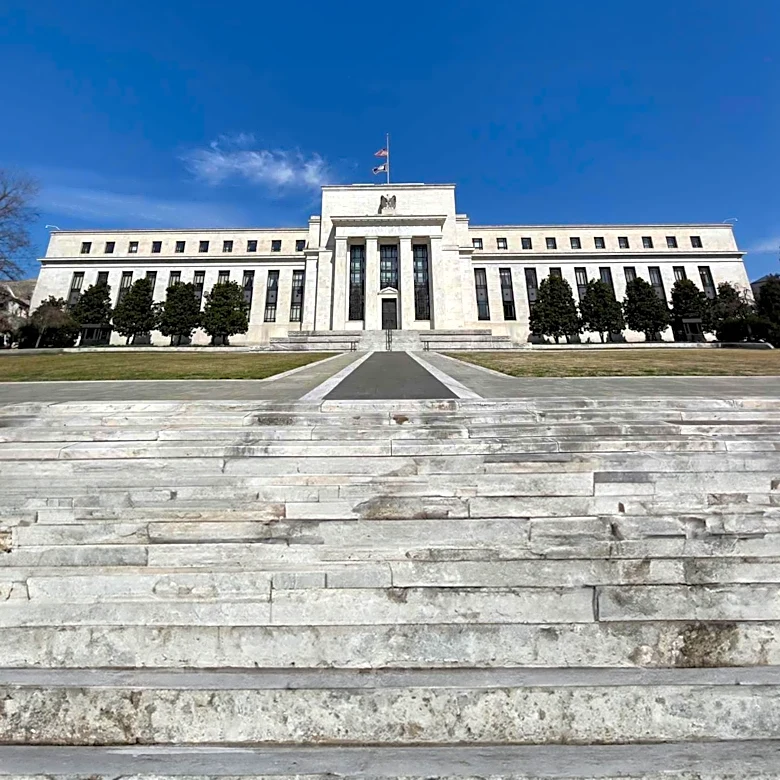
A third factor dragging down stocks, analysts say, is the expectation of higher interest rates. The Federal Reserve is strongly predicted to raise rates at its December meeting. Higher rates will make it harder for AI giants to grow.
"Higher rates reduce what the AI companies’ far-off earnings are worth today," said Mark Zandi, chief economist of Moody’s Analytics. "And they raise the cost of financing the AI buildout, which increasingly relies on borrowing."
But that rate hike, too, was in the cards long before the current selloff.

'Events compounding on top of each other'
And so, let's return to our question: Why are stock prices plummeting?
"I would say it's all of those events compounding on top of each other,” said Dominic Pappalardo, chief multi-asset strategist at Morningstar Wealth.
"You start stacking all of these headlines," Pappalardo said. "It eventually gets to a point where markets start to react and trend downward."
Or, the problem could be broader still. The market seems suddenly seized with a fundamental pessimism about AI, whereas before it was gripped with boundless optimism.
Remember: Big AI stocks have been overpriced for years, as measured by the ratio of stock prices to corporate earnings.
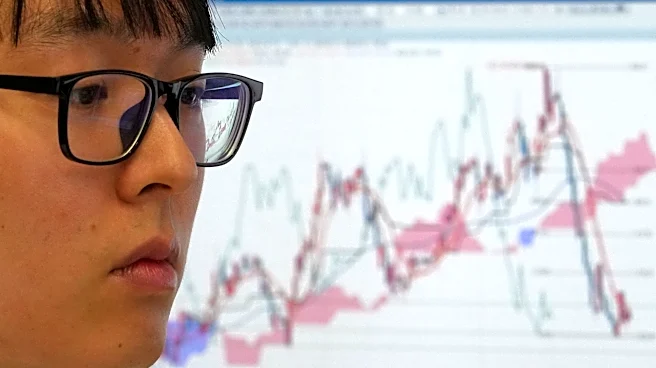
Price-to-earnings ratios tell you if a stock is overvalued. A common yardstick, the cyclically adjusted price-to-earnings ratio, or CAPE ratio, stands at 36.44 for the S&P 500, as of Nov. 20. Before the recent selloff, the index topped 40.
The only time it went higher was at the peak of the dot-com bubble, in 1999-2000. The CAPE ratio also spiked in 1929, just before the Great Depression.
Overpriced stocks have seeded recurring talk of an AI bubble, a run-up in the prices of tech stocks fueled by enthusiasm over artificial intelligence.
As AI stocks continued to rise in 2024, 2025 and through much of this year, traders knew they might be feeding an AI bubble. Most of them didn’t care.
That may be changing.
"The stock market sell-off is due to a confluence of factors," Zandi said, but the big one is "the heretofore stretched valuations of AI-related stocks. Investors have been expecting a lot from the AI companies and then some. It isn’t a surprise that investors would be disappointed, even though most AI companies are performing very well."
Traders seem suddenly concerned about AI warning signs they previously overlooked: overpriced stocks, mounting debt, and their own overoptimistic expectations for the companies to succeed.
Big AI stocks, such as Nvidia, were "priced to perfection," Pappalardo said, invoking an investor term that suggests a stock might be priced too high. "It doesn’t take as much to trigger the downturn."
Wall Street's crisis of AI confidence centers on Nvidia
Once the world's most valuable company, Nvidia now ranks fourth, behind tech and AI giants Apple, Microsoft and Alphabet.
Huang’s ouster raised questions about the company's future, some of which preceded the scandal: Can Nvidia keep earning, spending and growing at the same lightning pace? Will government regulators curtail Nvidia's chip sales to China, reducing its future revenue?
"Those questions aren’t new," Pappalardo said, "but for the first time, we’re seeing some evidence" that Nvidia’s meteoric growth "might not be able to continue."
The stock market’s newfound pessimism extends into the future. Analysts note that most of the factors driving stocks down – the midterms, the Federal Reserve's actions on interest rates – are not ephemeral. The Fed doesn't generally raise interest rates, only to lower them again. The next House election is two years away.
"Huang isn’t coming back," Pappalardo said. "The election results aren’t changing."
AI bubble or not, stock market corrections are widely viewed as a "healthy feature" of investment markets, Bylund said.
A 10% reduction in a stock index can, in theory, "correct" for overpriced stocks, creating value for investors who are ready to buy.
"Before going down, down, down, stocks went up, up, up for a long time," Bylund said. "Maybe it was time for a correction."
This article originally appeared on USA TODAY: Stocks are tumbling. Has the AI bubble finally burst?