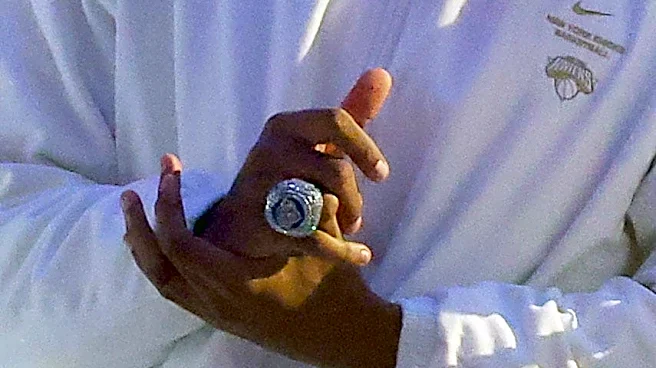





Days after admitting the company sent a phishing email about NBA Championship rings, Madison Square Garden says it had always planned to send more than 200 rings to its employees to commemorate their first title in 53 years
The Athletic originally reported that employees who clicked the email with the tagline "your Employee Championship Ring is here" were immediately told they had to take a mandatory cybersecurity class because they had failed the phishing test.
A Madison Square Garden spokesperson later called the incident "an unfortunate mistake," adding that rings costing almost $4 million would be distributed to those in the organization.
According to The Athletic, Knicks assistant coaches didn't receive their championship rings before the season
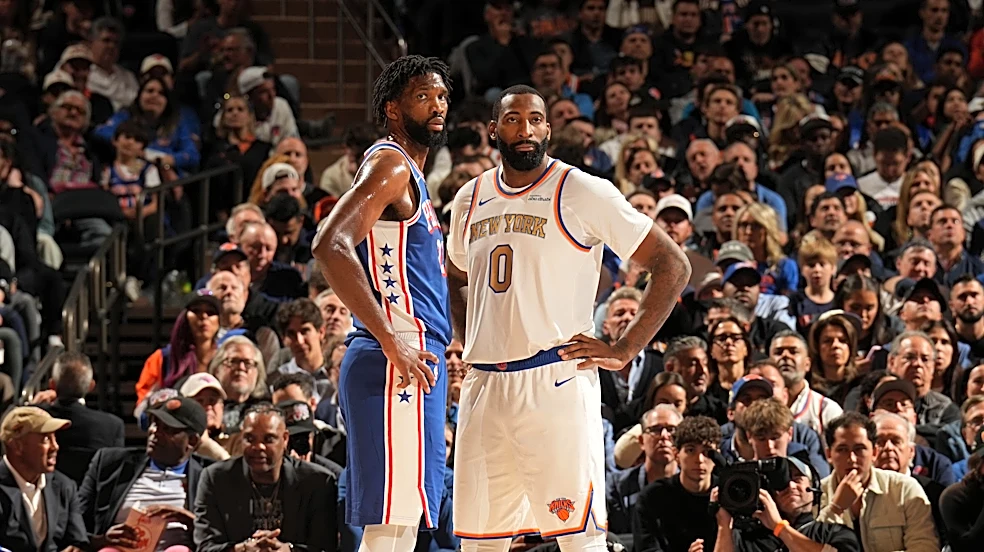
opener on Oct. 20 against the Philadelphia 76ers, but instead were given empty boxes because their rings weren't ready for distribution and had not been fitted for them.
After social media backlash over the stunt, an MSG spokesperson said in a new statement obtained by USA TODAY Sports on Oct. 24 that there was "misinformation" about the ring distribution.
“There is a great deal of misinformation regarding the championship rings. The plan has always been to distribute more than 275 rings and jewelry to the people in the organization who were part of last season’s success.
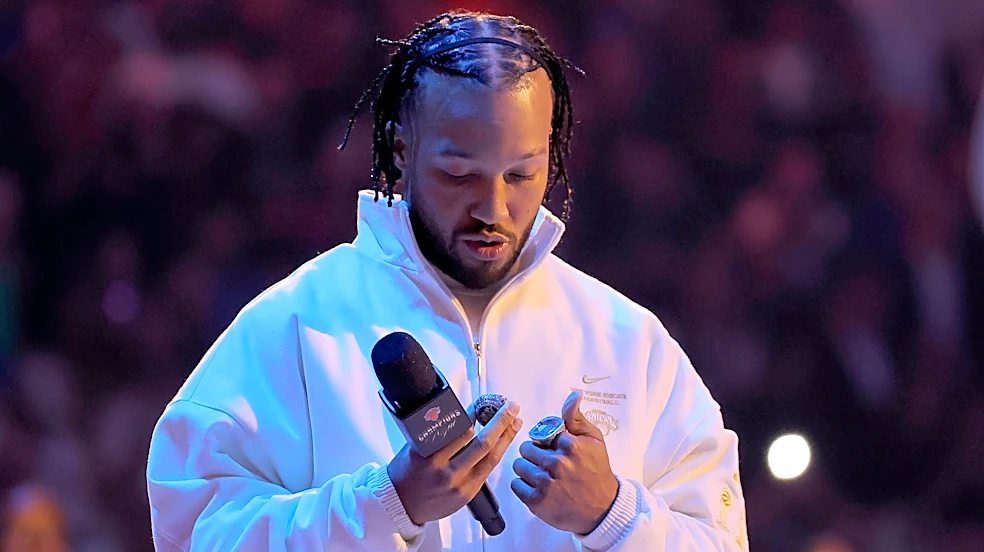
"As is common with many teams, the players were always supposed to get their rings as part of the opening night ceremony and then everyone else will receive theirs in about 4-6 weeks. Regarding the phishing email, the process of securing and reminding our employees to protect our IP was not a mistake, but the choice to use the ring to do so was a mistake and we apologize to our employees and the fans," the statement said.
"Winning the championship was a great moment for all New Yorkers. Those who choose to focus on the negative are missing the joy that comes with the team’s accomplishment.”
This article originally appeared on USA TODAY: MSG claims "misinformation" over Knicks championship rings tied to phishing email