


I'm one of the few people who discovered the magic of Dolly Parton through a podcast. I didn’t grow up listening to her music or really knowing who she was (for context, both of my parents are Dominican immigrants), aside from maybe having heard “Jolene” on the radio when I was a kid and knowing she was on “Hannah Montana
” as the titular character’s godmother. She was always in the periphery for me.That was until 2020, a few months after “Dolly Parton’s America” aired its final episode, when I developed a newfound appreciation for this country music legend. The nine-episode podcast — released amid a fierce culture war during the first Trump presidency — examines why she’s been a fixture who has touched the lives and hearts of so many. It’s
a years-long passion project from the show’s host, "Radiolab" veteran Jad Abumrad, a Lebanese American who grew up in Tennessee.
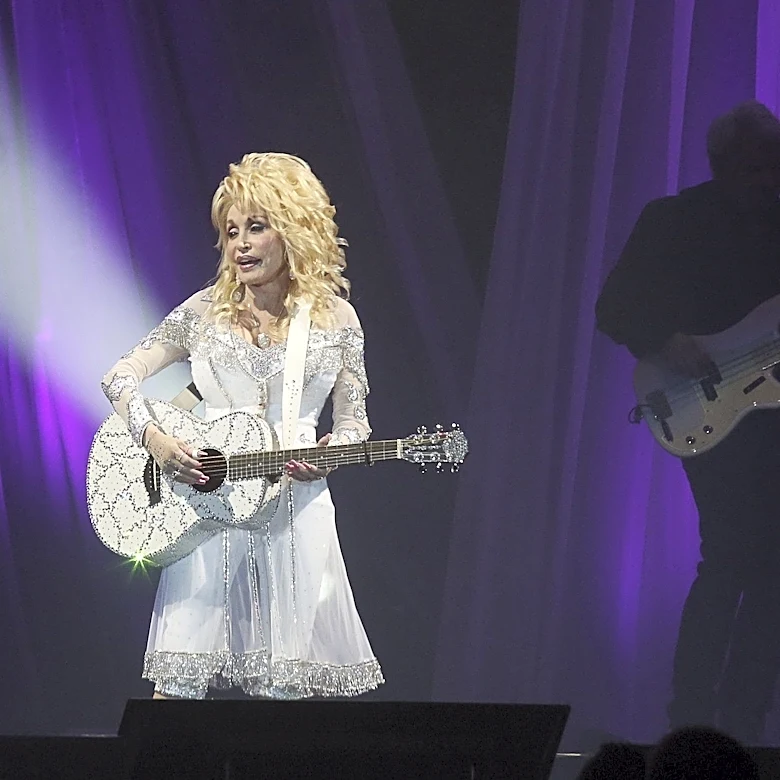
“She was everywhere,” Abumrad says at the beginning of the first episode. “She was looking down at you from billboards, coming out of car radios, on commercials, so as a consequence I didn’t really think about her a lot.” He goes on to say that it wasn’t until he was living in New York City in 2016 and he attended a show of hers in Queens that he witnessed her "otherworldly" appeal.
Each of the episodes intersperses Abumrad's reporting with interviews with Parton, who gives context to the different parts of her life, like how her relationship with Porter Wagoner led to her writing “I Will Always Love You”; her refusal to take a staunch political stance on either side but her writing of songs like “9 to 5” about the working class woman; and her upbringing in a small Tennessee mountain home made her into the woman she is today. He also interviewed his dad, a professor of surgery at Vanderbilt University who became friends with Parton after he treated her while she was "having some health problems" and he was her doctor when she'd gotten in an accident in 2013.
In the episode "Neon Moss," in which he visits Parton's childhood home (not just the replica in Dollywood), the two talked about their shared ancestral circumstances. Abumrad's father and Parton both came from large families living in a one-bedroom house atop a mountain with multiple kids sharing a room and sleeping on a floor mat.
Abumrad's parents fled Lebanon in 1972, the same year that Parton wrote "My Tennessee Mountain Home," an ode to the place the first place she'd ever loved. When Abumrad interviewed his dad about his "Lebanese mountain home," his father said that he felt a surprising "comfort" when he revisited the house and spoke about how Parton's whole oeuvre is built on the idea of looking back at her first home — a place that gave her that same feeling of comfort.
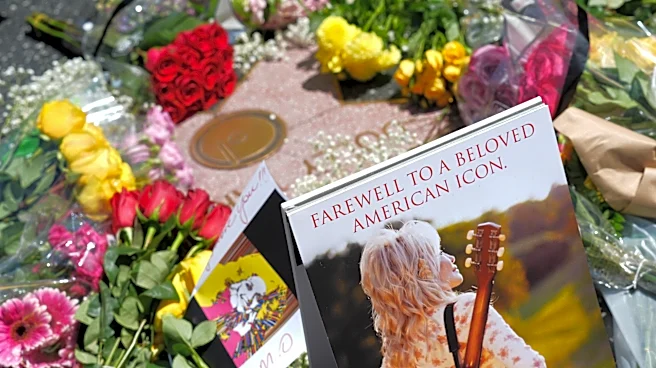
"Re-listening to this on the day of her passing and I'm crying my eyes out," one person wrote in the podcast's Spotify comments in the days since her passing. "Thank you for giving us a look into this amazing woman's heart and mind. This series and her music accompanied me on the hardest of days."
Some people are listening for the first time, and others are listening for the third or fourth. "Coming back for a third listen and now crying even more now that she has passed," another person commented.
Shima Oliaee, the producer of the podcast, recently spoke with ABC News about Parton's legacy after her passing and said, "Dolly, in a way, led the way in terms of not taking oneself too seriously, but taking the world and what you can do for it with all the responsibility that she could muster," before mentionong her knack for "taking some poison and making it into medicine." And that's something I've tried to emulate in my own life, while also understanding the Parton ethos that it's not about the cards you've been dealt, it's what you do with them. After learning more about how she lived through this podcast, I've been trying my best to follow in her footsteps.
This article originally appeared on USA TODAY: The 'Dolly Parton’s America' podcast gave me a special appreciation for her