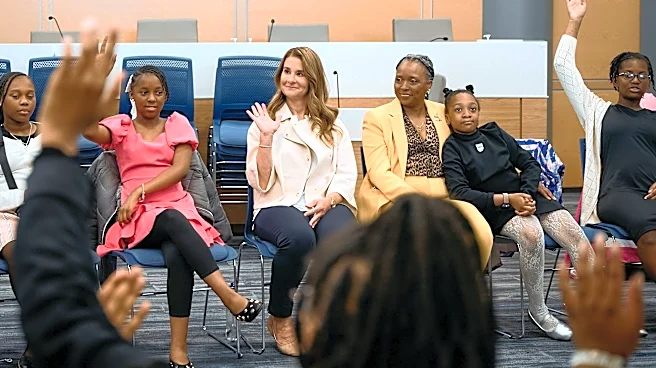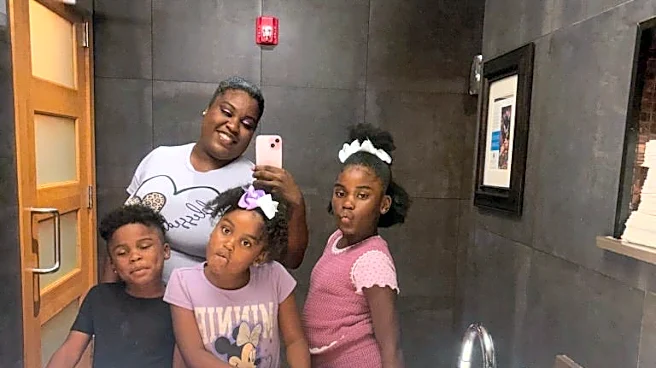








On the Monday, September 21, 2026, episode of The Excerpt podcast: A pregnant mother's struggle with untreated depression became a lasting lesson in what can happen when patients don't feel listened to. Ken Alltucker, a national correspondent for USA Today, discusses new research on healthcare access and why women are more likely to report negative experiences with the healthcare system.
Hit play on the player below to hear the podcast and follow along with the transcript beneath it.
This transcript was automatically generated, and then edited for clarity in its current form. There may be some differences between the audio and the text.
Podcasts: True crime, in-depth interviews and more USA TODAY podcasts right here
Dana Taylor:
Women across the
US face barriers to getting the healthcare they need, finding affordable coverage, getting appointments with doctors who listen and respond to their concerns, and having a space to discuss their health without stigma can be difficult. This is USA TODAY's The Excerpt. I'm your host, Dana Taylor. USA TODAY National Correspondent Ken Alltucker joins me to discuss new findings on the challenges women face when seeking care. So good to have you here, Ken.
Ken Alltucker:
Thanks for having me.
Dana Taylor:
You share the story of a pregnant woman living in Little Rock, Arkansas, and it paints a clear picture of what some women are facing while seeking care. What happened there?
Ken Alltucker:
This was a young mother who had two young daughters and was pregnant with a third, her son. And she noticed as she got to the later stage of her pregnancy that she started feeling severe depression. Now, she's not sure whether it was brought on by the deaths of two family members recently or there was something else going on. So she brought it up to her doctor who was part of a women's clinic that was overseeing her pregnancy and maternal care. And during that time when she brought it up, she felt like she was just dismissed by the doctor who described it as seasonal depression and something that you'll get over, that your symptoms will go away, so it's really nothing to worry about. Well, the symptoms continued after the birth of her son, and it was to the point where she gave up her two young daughters and asked her mother, who lived in Florida, to temporarily take custody of these two young girls while she cared for her newborn son.
And she still felt the symptoms. It got to the point where she was breastfeeding her son and she could no longer produce milk and she had to get formula and didn't really feel that connection as a result. So she took away from this experience of not really feeling heard by the healthcare system, by her doctor in particular, and she just turned away and didn't really seek help. And instead she sought support from family members and from her children's father, and that's how she coped with it. And that birth was in late 2020. And to this day, it's a broken trust for her with that doctor and the healthcare system at large.
Dana Taylor:
You mentioned other problems women have confronted, including misdiagnosis. What did you uncover?
Ken Alltucker:
It dovetailed with a survey that Gallup and a group called Pivotal founded by philanthropist Melinda French Gates, and they conducted a survey of more than 5,000 men and women. And what they found was just over half of women had some trouble accessing the healthcare system over the past five years. And when they did access the healthcare system, there were some specific problems that they noticed as well. Things like doctors minimizing their symptoms, whether it be chronic pain or other symptoms, also things like misdiagnosis or delay in diagnosis, not getting answers or clear direction about what they should do, next steps following the appointment. And as well as more likely than men, the survey found women were more likely than men to have these types of experiences.
Dana Taylor:
Ken, can you break down the cascading effect of not getting clearer direction about next steps?
Ken Alltucker:
Well, sure. I think one of the big things that the survey pointed out was that there were delays in diagnosis or misdiagnosis, and it was pretty startling what it found. Women, again, more likely than men were going to experience either a misdiagnosis or a delay in diagnosis. In some cases, they waited years for a diagnosis, five years or longer. Now, the survey authors noted that there are different symptoms that men and women have described, so that could be one explanation, and there certainly are different health conditions that men and women experience. But even in the cases where the health conditions were the same, women tended to have a longer path toward diagnosis than men.
Dana Taylor:
What are some of the hurdles that have led to a lack of access to care?
Ken Alltucker:
I mean, this is an ongoing thing with whether people could actually get into the doctor's office, and we have certainly things like health insurance cuts. The Affordable Care Act has reduced some subsidies, which made health insurance unaffordable for people, so they might not be able to have insurance to get an appointment with their doctor or other provider. There are Medicaid cuts coming, Medicaid work requirements that require people on Medicaid to show that they're participating in the workforce or searching for a job or going to school or undergoing some kind of job training that's rolling out nationwide.
So a lot of experts suggest that could reduce the number of people on health insurance. Of course, some of those people might get health insurance through the workplace, but nevertheless, that could be a barrier to people getting care. And another thing, we have an ongoing doctor shortage in this country as well as other providers. So doctors are busy, they have full appointment calendars, and particularly in some areas like mental health where there's a pretty big shortage in mental health providers. And depending on where you live in this country, you could face a long wait before you're able to get into the doctor's office or the therapist's office.
Dana Taylor:
This finding surprised me the most when I read your piece, and it's what happens after women who've struggled to finally do get time with a doctor. What did the data show?
Ken Alltucker:
That was probably one of the main areas of focus for both this survey that I covered, as well as a new book that I detail called Seen But Not Heard: What Medical Records Don't Tell Us About Women's Lives. That was done by academic sociologist and an epidemiologist. And what they both discovered, the survey authors and these book authors is that experiences differ for women in the healthcare system largely. And the underlying reasons for that is who knows? I mean, that certainly needs to be delved into further, but I think if you speak with patients that they could probably give you an idea of how they've experienced the healthcare system differently.
Dana Taylor:
What was fascinating about the book is that it revealed information based on doctor's notes. Can you speak to that?
Ken Alltucker:
Yeah, I thought this was a really unique approach that the authors did is, and to be clear for this book, they didn't speak with doctors, but what they did is they relied on their medical notes that they were able to access through the electronic health records of one large hospital system in the Mid-Atlantic. So these are notes, if you ever been to a doctor's appointment, you're talking with your doctor or other provider and they're taking notes and asking you questions and they note these and these go into an electronic health record that dictate what type of care you're going to get, whether you're going to be prescribed something or whether you're going to be referred to another doctor or provider.
And what they saw in the notes differed from what the woman told them. They did extensive follow-up information with dozens of patients and what the patients told the authors differed than what the medical notes suggested. And they point to that this might be a situation where doctors and providers aren't necessarily hearing the whole story that a patient is trying to explain to them, or there may be other reasons. In some cases, they might not be telling them the symptoms that they're experiencing and there are reasons for that.
Dana Taylor:
Well, I did want to get into that because there are a couple of ways to look at this, but it's important to note that sometimes the lack of needed care was tied to details patients withheld from their doctor. What's behind at least some of those omissions?
Ken Alltucker:
There was a feeling among some patients that, at least according to the authors, is that they felt stigmatized or dismissed. Things like if somebody was seeking treatment for obesity or had obesity, one comment from one provider was, "Well, maybe you shouldn't eat bagels." things like that. And when you hear comments like that, it could make you less forthcoming with your provider. And also there were sensitive situations. There were women who were in custody battles, for instance, and they didn't want to record information anywhere. And they felt like by divulging that information that could jeopardize their situation or their child's situation, so they withheld that information.
Dana Taylor:
And what has that breakdown in communication led to?
Ken Alltucker:
One of the authors mentioned the importance of really getting a good history of what the patient's going through, and that's really important as a doctor to thoroughly discuss and interview the patient while also making them feel comfortable to share that information. And that's really important to get the appropriate care that they need. Let's face it, doctors in a lot of cases are time compressed. They have a huge patient load and they're trying to provide the care that patients need, but they also have dozens of other patients they might be seeing the same day.
Dana Taylor:
Can the findings here ring true? I can say that I'm not surprised by these findings. What did the people behind the survey say about how this information might be used and what should come next?
Ken Alltucker:
They wanted to get this certain, the survey, which is Gallup and Pivotal, as well as the two authors I spoke with, they were providing this information in the public and they felt like it needed to be known. And next steps is what the medical community does with it or individual patients. Certainly they feel like they've pointed out disparate treatment that women and men often get in the doctor's office. So maybe there are steps that each party can take, doctors, medical communities, health systems, but as well as patients trying to provide that comprehensive description of what they're going through to get the best care possible.
Dana Taylor:
Ken Alltucker is a national correspondent for USA TODAY. Can't thank you enough for sharing your insights here, Ken.
Ken Alltucker:
Thank you so much for having me.
Dana Taylor:
That's The Excerpt. I'm Dana Taylor. We'll be back tomorrow with more important stories like these from USA TODAY.
This article originally appeared on USA TODAY: She asked for help. Her doctor dismissed her concerns | The Excerpt