






From smartwatches and sleep-tracking apps to simple sleep diaries, a growing number of tools market the insight they offer into your sleep.
Information on how frequently you wake up during the night, the time you spend in sleep cycle stages, and your sleep quality is valuable for people who want to improve their sleep, especially for a third of Americans who report being sleep-deprived. The popularity of sleep trackers has even spawned a term — orthosomnia — for people whose obsessive pursuit of "a perfect sleep score" ironically keeps them awake at night.
Here’s what you need to know about sleep tracking:

What is the best way to track sleep?
The "gold standard" for sleep tracking remains a supervised sleep study, says Matthew Walker, a professor of neuroscience and biomedical engineering
at the University of Texas at Dallas. Polysomnography — an overnight diagnostic test reading brainwaves, eye movements, muscle tone, breathing, and oxygen — is the "only method that truly measures sleep stages rather than guessing at them," Walker says.
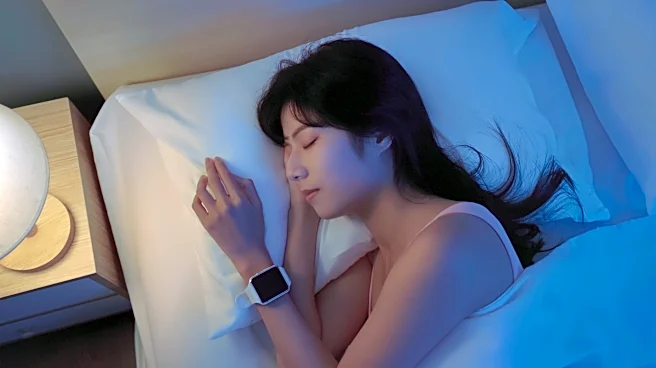
He adds that a wearable device on the wrist or finger, or a sleep mattress, is good sleep tracking for everyday life. Popular sleep and fitness trackers include the WHOOP bracelet and the Oura ring. But trackers can only go so far, Walker said.
"Today's trackers are quite good at telling you how long and how regularly you slept, and far less reliable at telling you exactly how much was deep or REM," he says, referring to two key stages of the sleep cycle. "Use them for trends across weeks, not verdicts on a single morning."
Do sleep trackers detect apnea?
A common but underdiagnosed condition, sleep apnea interrupts breathing during the night, producing loud snoring and leaving a person tired in the morning even after a full night of sleep.
In recent years, some sleep-apnea features on smartwatches and apps have been approved, using blood oxygen and movements to flag patterns consistent with apnea. But experts say these features can't diagnose the condition.
"A watch can tap you on the shoulder and say 'Get this checked,' which is genuinely valuable, because most apnea sufferers have no idea they have it," Walker says. "The diagnosis itself still needs a home sleep test or a lab study. If your watch raises a flag, don't panic − and don't ignore it. See a doctor."
What is the 10-3-2-1-0 sleep rule?
A popular online sleep routine, this rule outlines a structured wind-down routine before bed.
According to the routine: no caffeine 10 hours before bed, no food 3 hours before, no work 2 hours before, no screens 1 hour before, and 0 hits of the snooze button in the morning.
Walker says the routine is "mostly sound," though he adds a caveat — you don’t need to toss out devices entirely before bed because of "overblown" blue-light concerns.
Rather, he advises changing how you use the screen, including dimming the brightness.
This article originally appeared on USA TODAY: How can I track my sleep? What to know about improving sleep quality