
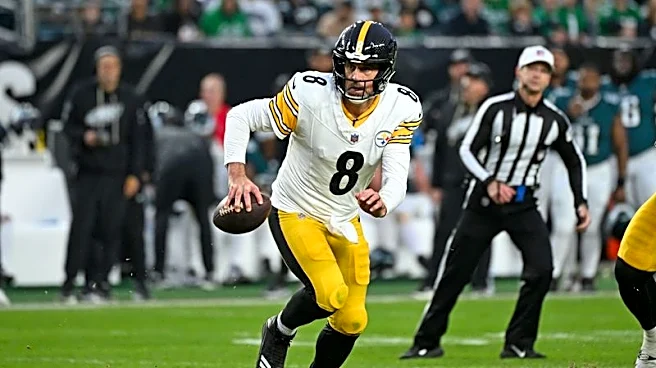
A satisfying final chapter always seemed like a stretch for Aaron Rodgers.
Since tearing his Achilles just four plays into his post-Green Bay Packers tenure, the four-time NFL MVP never appeared capable of recapturing the dizzying highs of his career. And in coming back to a middle-of-the-road Pittsburgh Steelers team for one last season, Rodgers had the odds stacked against him to mount a push for the second Super Bowl title that has proven so elusive.
But if there's been one throughline for the latter portion of the quarterback's career, it's control. Few passers have been better at dictating terms on the field, as Rodgers regularly overwhelmed defenses with his elevated wits and supreme arm talent. His determination in having his say – and typically
his way – also colored his exit from the Packers along with his tumultuous tenure with the New York Jets.
Now, however, a player who seldom ceded a sense of command has no choice but to do just that.
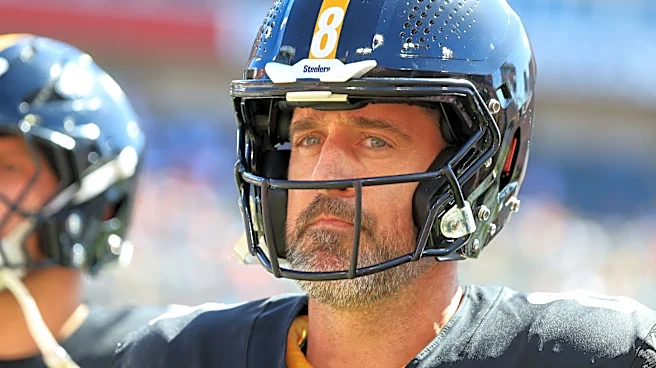
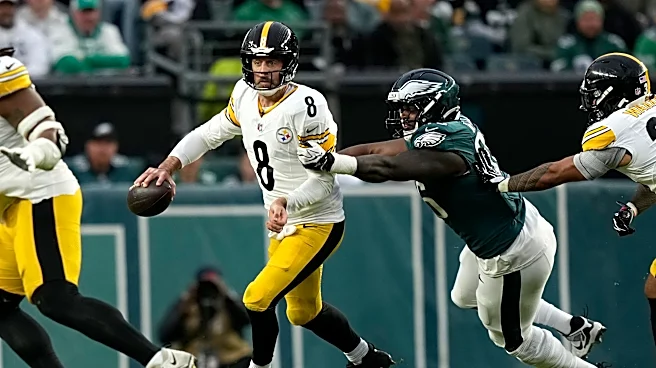
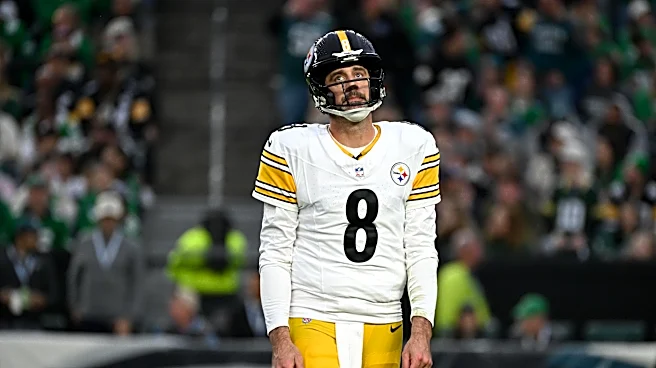
Late Tuesday night, news broke that the Steelers were benching Rodgers for Friday's game against the Denver Broncos. The team shortly followed with confirmation: Mason Rudolph would take over as the starter, and Rodgers would be inactive.
In the ever-changing NFL, few decisions come with a sense of finality. But given the stakes and the personalities involved, it feels as though all parties have crossed a point of no return with this move.
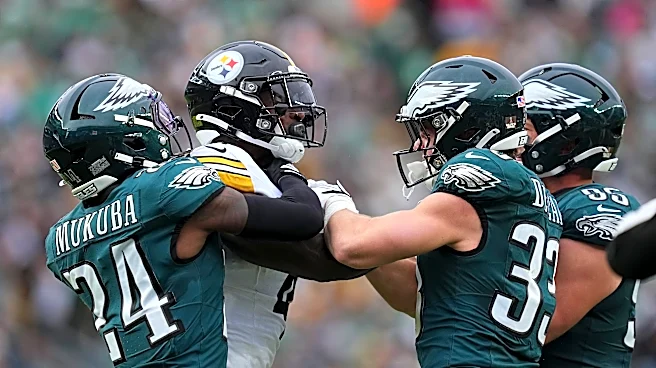
Just a day earlier, Steelers coach Mike McCarthy had summarily dismissed any notion of making a change in light of Sunday's 19-16 loss to the Philadelphia Eagles, who snapped a seven-game skid.
"Aaron Rodgers is our quarterback," McCarthy declared.
With that public commitment and a short week of preparation, it seemed unconscionable that Pittsburgh could reconsider. Yet not long before midnight, an organization that has set a standard throughout the league of staying the course – for better or worse – embraced radical, season-defining change.
Why did Steelers bench Aaron Rodgers?
It's fair to ponder the merit of the swap behind center.
Rodgers, who turns 43 next week, certainly couldn't obscure his advanced age. He regularly contracted the field with his decision-making, with his reluctance to let plays develop and test downfield underscored by his 7 average air yards per attempt, which ranks fourth-worst among all qualified passers, according to Next Gen Stats. Perhaps that's the kind of sacrifice that a signal-caller with diminished mobility and substandard support has to make. But he didn't compensate for it with increased efficiency elsewhere, as his 60.9% completion rate is on track to be the second-worst mark of his career as a starter, while his 86.6 passer rating represents an all-time low.
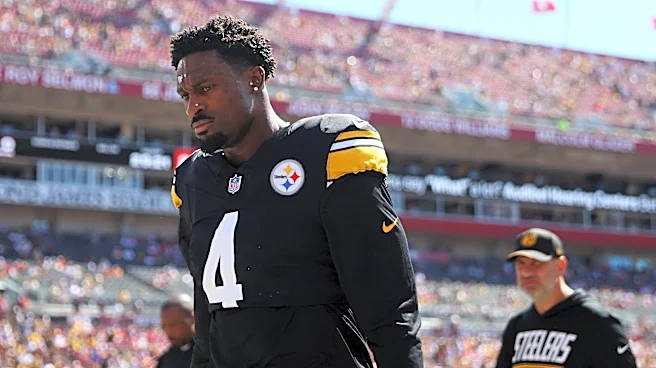
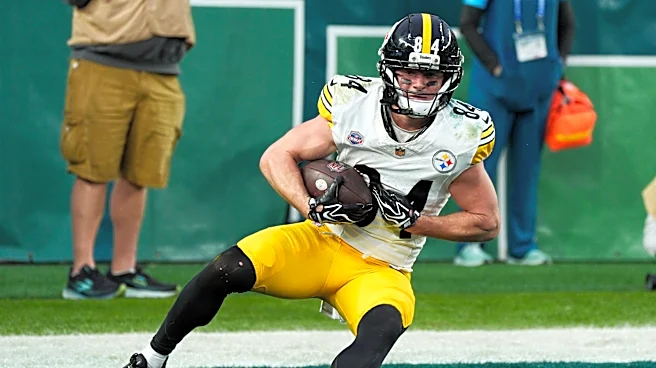
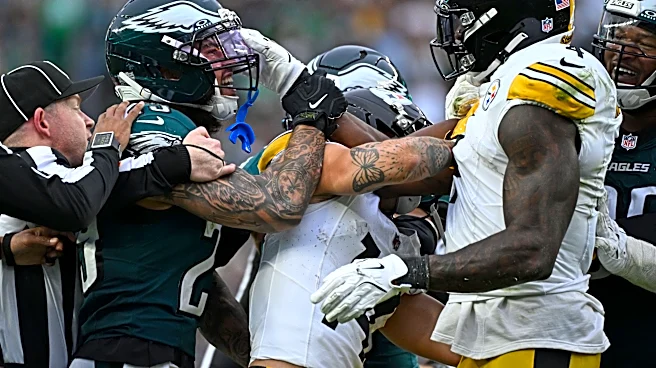
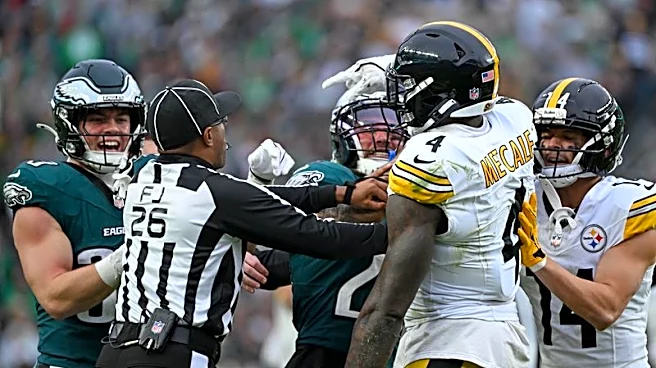
For however many limitations he carried, however, Rodgers was saddled with plenty more. DK Metcalf's blow-up and subsequent ejection against Philadelphia served as an encapsulation of a receiving corps that hasn't provided nearly enough in the way of reliability. Things seemed tenable at times when running back Jaylen Warren was able to be a load-bearing presence for the attack. In the last two games, however, the fifth-year ball carrier had just 43 yards on 16 carries, and the offense was left with nowhere else to turn.
Even with all those problems – and several unknowns still lingering in the shadows – it is nothing short of stunning that Pittsburgh reached this point.
Though the Steelers carried four quarterbacks on their active roster entering the year, there was no question that this was Rodgers' show. He lobbied for the organization to bring on McCarthy despite the pair's fractured past. Meanwhile, the team endured another offseason holding pattern before re-signing the quarterback in late May for what he later revealed would be his final NFL season.
No clean ending for Rodgers
Exiting on optimal terms is a fantasy for most anyone who plays football, including those who play at Rodgers' level. But while many of his peers dealt with deflating final campaigns, Rodgers' benching feels almost like a singular setback.
This isn't the equivalent of Russell Wilson being benched for Jaxson Dart, nor was it a case of a floundering team merely looking to the future. At 6-4, the Steelers currently sit in the AFC's final wild-card spot. There's not much competition within the conference that looks capable of tossing them outside the playoff field entirely, either.
Of course, that dynamic is surely part of the impetus for turning to Rudolph. But McCarthy knows Rodgers, and little about this transition – including the fact that the 22-year veteran won't be serving as a backup – suggests that it's merely a trial run being embraced by all parties.
Could Pittsburgh toggle back to Rodgers? The decision was announced as merely for this week. In a world where Daniel Jones went from untouchable at the trade deadline to waived outright 10 days later, it's hard to fully write off any possibility.
But the Colts aren't the Steelers in either competitive credentials or decisiveness. And even if the Steelers want to go back on this move later, doing so might not be so easy.
If Rodgers doesn't have a path back to playing this year, it would mark a truly stunning end for one of the most accomplished players of his generation. Some might wonder whether this indignity could spark a change of heart. After all, Rodgers acknowledged in 2023 that he was "90 percent" leaning toward retiring before his clash with the Packers motivated him to push on and play elsewhere.
Beyond the question of what opportunities would be available to him, though, Rodgers has for months seemed like a player at peace with stepping away from the game. In addition to citing plans to become a father, he's reconciled with family and spoken reverently about the twilight of his playing days. And he's made it clear he would have no trouble stepping away.
"When this is done, it’s Keyser Soze, and you won’t see me," Rodgers told Pat McAfee in March, repeating the reference from "The Usual Suspects" he's been so fond of late in his career. "You won’t see me. I’m not doing TV. ... I’m not gonna be out and about."
Maybe that disappearance from the spotlight is coming far sooner – and far more abruptly – than anyone, including Rodgers, could have expected.
This article originally appeared on USA TODAY: Aaron Rodgers stares down sour finish to storied career with benching | Opinion