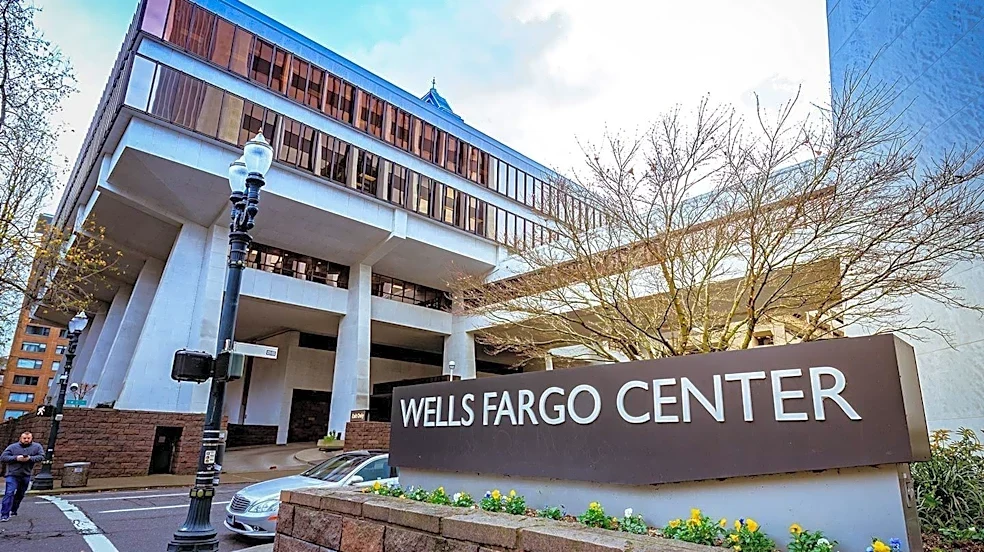









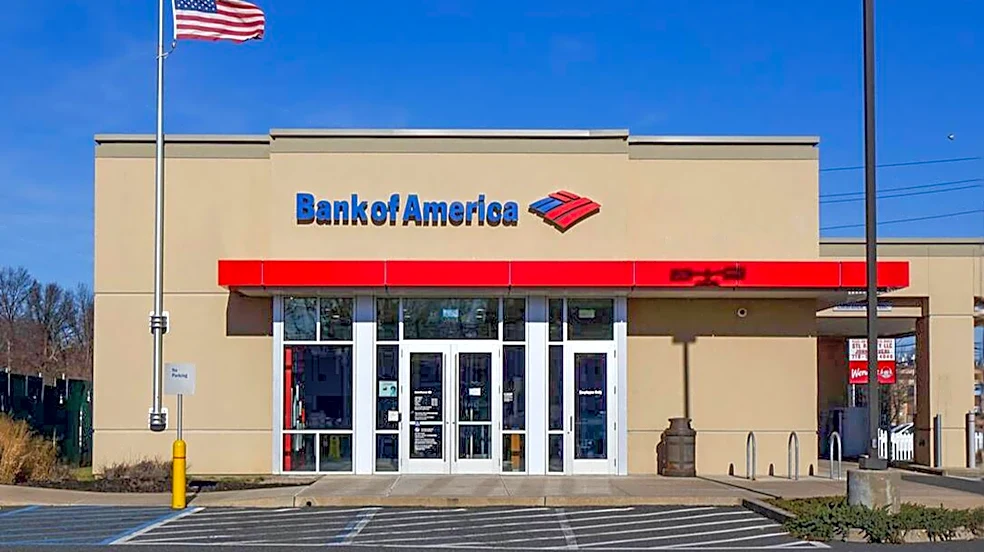

Citi Bank, Wells Fargo, Bank of America and JPMorgan Chase have taken steps to limit third-party AI agents from accessing their platforms and services, and others are following suit.
The banks’ decisions, first reported by Axios, come amid mounting concern over AI agents taking unwanted actions on behalf of users. Two-thirds of chief information security officers surveyed in financial services and software ranked agentic AI among their top three cybersecurity risks, and more than one-third named it as their top concern, according to a 2026 study by Palo Alto Networks.
“We do not permit third-party AI agents or assistants to log into a customer's account or transact directly within our digital banking platforms,” a Citi spokesperson wrote to USA
TODAY.
Citi customers can authorize agents to “limited, read-only access to their account information with certain Citi-approved open banking providers,” the statement continued. Citi has not seen reports of agents accessing client accounts.
“There’s a window of vulnerability where the systems, the banks, the users are all vulnerable to the speed with which AI is being weaponized,” said Andre Durand, founder and CEO of Ping Identity, which sells identity security infrastructure to financial institutions.
He cited concern over AI being used to perpetrate fraud and scams at higher levels as well as fear that agents could be compromised or decide to take malicious action on their own.
In an October report by Ping, 71% of consumers surveyed reported concern that an AI agent acting on their behalf could misrepresent their personality or values. However, less than a quarter said they refuse to trust AI with any financial transaction, at 22%.
Durand said that “the challenge that we're having right now is how can we detect that it is an agent and not a human asking. And if we can detect that it’s an agent not a human, how do we know that the agent is acting on the authority of the human?”
Agent restrictions
Bank of America, Capital One and four other global banks created a coalition in September to warn that agentic technology is moving faster than industry standards and protections are keeping up. The coalition highlighted the risk that AI shopping agents pose in particular.
“When you give the agent your credentials, it is you authorizing the payment. So we’re just trying to work with these companies and with the industry to say, put a human being in the loop,” Bank of America CEO Brian Moynihan told Bloomberg on Oct. 15. “So before you pay, you authorize it, so that we know that you know you’re paying for something.”
According to Moynihan, Bank of America is restricting AI agents’ access to consumer deposits and is working with companies to develop protocols on agents.
JPMorgan Chase CEO confirmed to Bloomberg last week that JPMorgan Chase is also blocking outside agents from accessing customer-account information.
Bank of America and JPMorgan Chase did not immediately respond to a request for comment from USA TODAY.
Wells Fargo has also “taken steps to block unauthorized agents from accessing customer accounts,” a bank spokesperson told USA TODAY.
According to Wells Fargo’s updated online access agreement, authorized representative or delegate transactions – including transactions of agents – are considered authorized, unless the user explicitly tells the bank they are not authorized and the bank “have had reasonable opportunity to act on your notification.”
The agreement is set to take effect on Nov. 24. It includes a section on third-party AI agents in which users agree that they are "solely responsible” for supervising agents, that the bank may act on the instructions of agents and that all transactions taken by authorized representatives such as agents – “including those you did not want or intend” – are considered authorized.
“If you permit an AI Agent or other third party access to the Service, you acknowledge that doing so may adversely impact the commercially reasonable security procedures that you've otherwise agreed to, and you accept the risk of such access,” according to the agreement.
Durand said he wasn’t aware of specific instances of agents hacking into banks, but added, “I don’t think a lot of stuff is being reported” in regards to agents or AI activity at banks.
Alternative options
In addition to blocking unauthorized agents from logging in on behalf of clients, Charles Schwab created its own AI assistant, called Charley, which cannot execute trades but can answer questions and complete routine tasks.
Schwab CEO Rick Wurster said in an interview with Bloomberg on Oct. 16 that the bank is blocking between “tens and twenties” of attempts by major AI agents to access and manipulate client funds.
As AI agent usage grows — Meta reported that Muse grew to 10 million users on Oct. 21 — Durand emphasized the need for better authentication systems. One-time passwords sent to emails are no longer secure enough, he said, because agents often have access to email.
“Passkeys and biometrics ensure that the human is the one authenticating, and/or that the human is the one authorizing,” Durand said.
Greta Reich covers the artificial intelligence industry for USA TODAY through a fellowship from the Tarbell Center for AI Journalism. Funders do not provide editorial input.
This article originally appeared on USA TODAY: ‘Window of vulnerability’: Banks move to restrict AI agent access