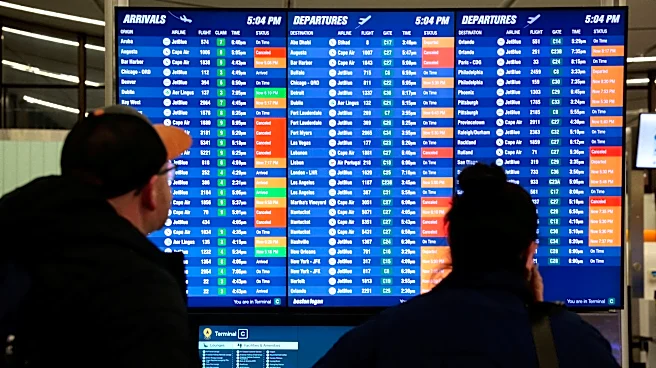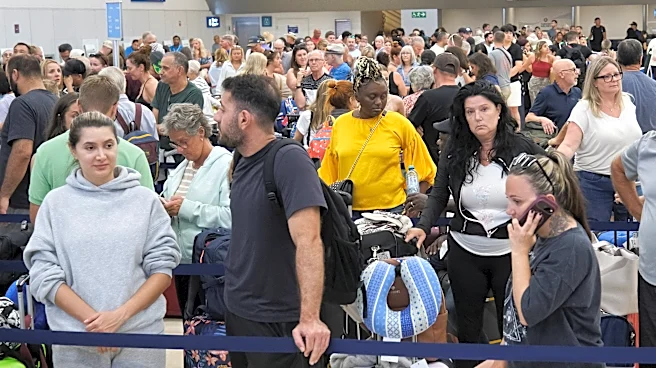





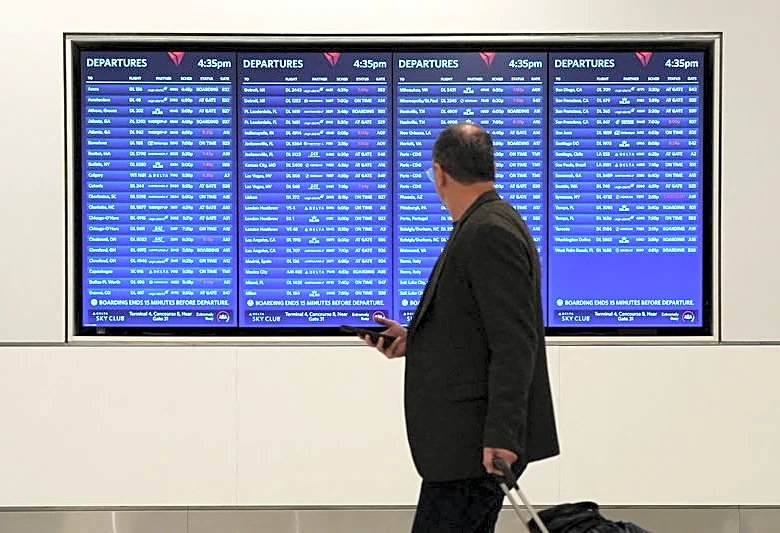
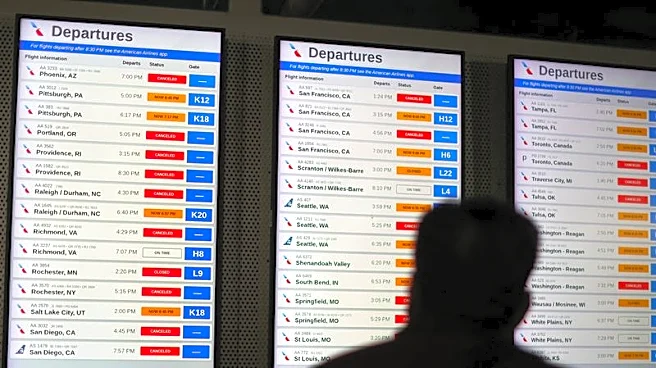
Homeland Security and Transportation Department officials blamed aging and "overloaded" air traffic control technology being patched with new technology for a rare nationwide ground stop that stranded tens of thousands of people Nov. 13.
The more than four-hour halt grounded thousands of flights and sent ripples through other forms of transportation as people scrambled
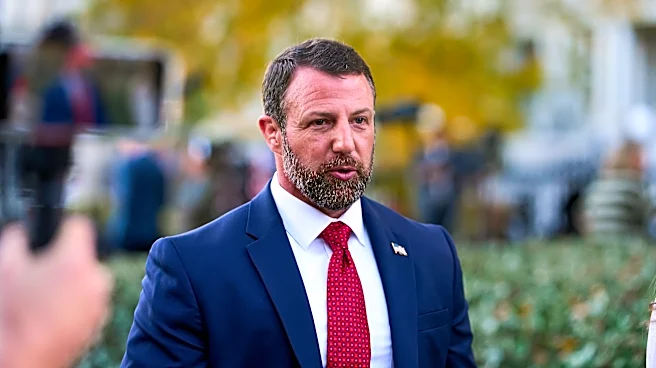
to find rental cars, trains and buses to reach their destinations.Department of Homeland Security Secretary Markwayne Mullin said the FAA telecommunications system failed as “patches” were being made to aging technology.
“They were putting (in) new equipment and new technology,” Mullin said, adding “It was overwhelming the older system.”
In announcing the ground stop earlier in the day,
the agency cited extraordinary circumstances and safety concerns related to an air traffic control issue. The directive instructed all departing aircraft to remain on the ground until further notice.
“What we have is an incredibly old air traffic control system,” Transportation Secretary Sean Duffy said, adding that switches and routers got “overloaded” in the system’s analog technology. “They started to give us inconsistency in the data from those routers, and because of that we shut the system down.”
In contrast, Duffy said the fewer number of air traffic control centers with digital IP systems did not break down.

“Those did not experience these issues,” he said. “Which underscores the point, it’s important that we’re able to finish this work with additional resources.”
When will travel be back to normal?
Duffy said it will take “some time” to get flights back to capacity, but he did not have a timeframe for when flight schedules will return to normal.
More than 25,000 U.S. flights had been delayed as of 9:30 p.m. ET on Nov. 13, according to flight tracking site FlightAware. Not all are due to the ground stop, but rescheduling and catching up will take time.
“We’re going to have some make-up to do,” Duffy said.
The days leading up to Thanksgiving, which is Nov. 26, are typically some of the busiest travel days of the year.
“I think we’re going to be back up and operational as we come into the heat of travel during Thanksgiving,” he said.
What's next?
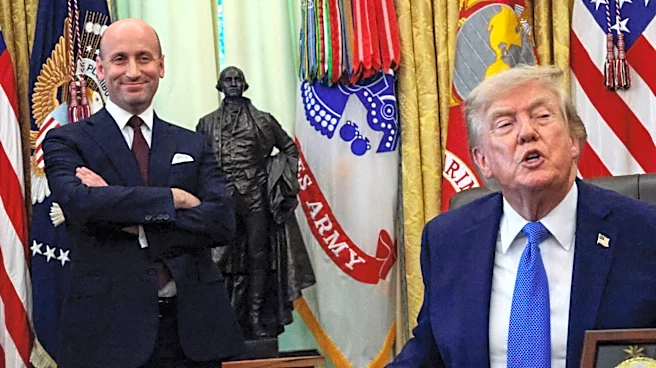
President Donald Trump has declared updating the national air traffic control system “a national emergency," but Congress has not approved funding for a mass upgrade.
As members of Congress demanded answers Friday, Duffy renewed Trump’s request for Congress to approve $30 billion to upgrade the nation’s air traffic control system – and increased it by $20 billion.
“The president’s asked for $30 billion,” Duffy said. “I want $50 billion.”
In 2025, Congress approved $12.5 billion to fund upgrades to the nation's air traffic control system as part of the GOP tax and spending bill.
The massive disruption could be a taste of what’s to come if the FAA system isn’t upgraded, Duffy said.
“You will have more of these. You will have more of them, unless the American people and Congress tell us to build,” Duffy said. “I can’t wait for that.”
The nationwide ground stop was only the second since 9/11. The last time was in 2023, when the FAA's NOTAM system went down and pilots could not get their pre-departure paperwork.
This article originally appeared on USA TODAY: Thousands were stranded at America's airports. What went wrong?