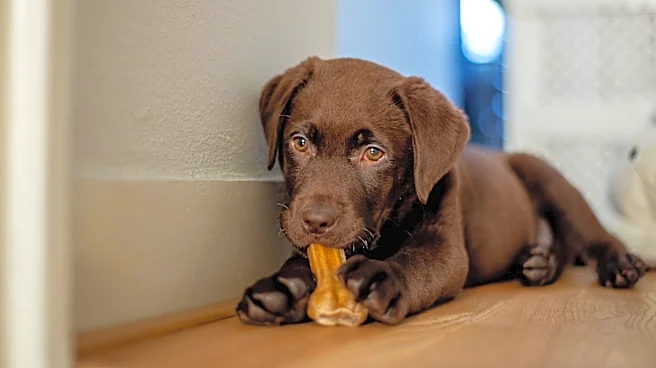









Even if you don't own a dog, you more than likely know the worst thing dogs could eat: chocolate.
No chocolate for dogs. Period.
But why? Turns out, there's a lot that happens inside a dog if they eat chocolate.
What happens when a dog eats chocolate?

The biggest problem in chocolate is something called methylxanthines theobromine. Chocolate also contains caffeine, both of which are both stimulants to the gastrointestinal, cardiac and nervous system. Methylxanthines can potentially cause hyperactivity or agitation, an increase in heart rate, muscle tremors and seizures depending on the dose.
Chocolate is obviously bad for dogs, but how bad totally depends on what kind of chocolate and how much, said Dr. Tina Wismer, a senior director of toxicology for the ASPCA Poison Control.
Darker chocolate
has more methylxanthines, she said, which means it takes less chocolate to be a problem.
Meanwhile, white chocolate has almost no methylxanthines, but some dogs could be sensitive to the sugar and fat, which could lead to pancreatitis.
Wismer said milk chocolate is "less concerning" than dark chocolate, but both are generally less toxic than cocoa powder. Even if the chocolate is sugar-free, it could also contain xylitol, which is a toxin that can cause low blood sugar and liver damage.
That said, it's not just about the type, Wismer said it also depends on how much your dog eats.
"It’s also important to remember that it will take much less chocolate to be a problem for smaller dogs than larger dogs, so take any ingestion seriously and make sure you take the proper steps to helping your pet," Wismer said. "One chocolate chip or a bite of brownie will not cause severe signs but many times dogs have no off switch and will eat the entire bag of chips or pan of brownies."
With Halloween just around the corner, Wismer said it's not just chocolate to be worried about — it's most candies. Sugar-free candies with a sugar substitute known as xylitol can be life-threatening for dogs when ingested as well.
What to do if your dog ate chocolate?

Chocolate is consistently on the ASPCA Poison Control’s list of top pet toxins each year, according to Wismer, and made up 13.6% of the exposures in 2025. Around this time of year, these calls increase. Calls for chocolate increase 10% in the weeks around Halloween.
If you think your dog ate chocolate or any other hazardous substance, Wismer said to call your veterinarian or the ASPCA Poison Control at (888) 426-4435. She also recommended bringing the packaging from the chocolate to the vet so they can determine what type of chocolate it was and how much your dog may have eaten.
If it's not serious, Wismer said vets usually recommend to monitor your pet at home. However, if it's serious, vets might induce vomiting. If there are life-threatening signs, your pup might need to stay overnight in the hospital. To avoid this all together, Wismer recommended leaving candy bowls on high counters or in cabinets.
This article originally appeared on USA TODAY: Why is chocolate bad for dogs? Veterinarian breaks down what happens