








Two people in central North Carolina have died after contracting West Nile virus, state health officials announced. The mosquito-borne illness has sickened more than 1,100 people nationwide this year.
The North Carolina Department of Health and Human Services said older adults and people with underlying health conditions face the greatest risk of severe illness. While most infections cause no symptoms, West Nile virus can lead to serious neurological disease and, in rare cases, death. The Centers for Disease Control and Prevention has recorded 1,172 human cases in the United States this year, including 250 in California and dozens in Texas, Arizona, Colorado and New York.
USA TODAY contacted the department Oct. 13 seeking additional information
about the two deaths but did not immediately receive a response.
Here's what to know about West Nile virus and how it spreads.
How do people get infected?
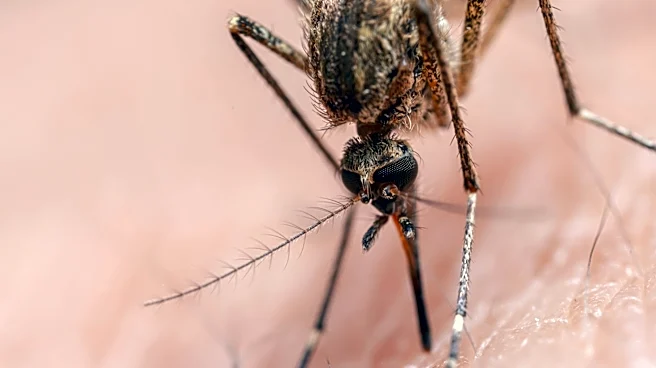
People can contract West Nile virus when mosquitoes feed on infected birds and then bite humans, according to the CDC.
Humans are considered "dead-end hosts" because they do not carry enough of the virus in their bloodstream to infect mosquitoes that bite them. As a result, the virus generally does not spread from person to person through mosquito bites.
In rare cases, the virus can spread through:
- Exposure in a laboratory setting.
- Blood transfusions and organ transplants.
- Transmission from mother to baby during pregnancy, childbirth or breastfeeding.
- Occupational exposure to infected blood, tissue or bodily fluids, such as when handling injured birds.
What are the symptoms?
West Nile virus symptoms can begin 2 to 14 days after people are bit by infected mosquitoes, although they normally start between 2 and 6 days, the CDC said.
Most people show no symptoms once infected, and about 20% of people who are infected develop flu-like symptoms like fever with headache, body aches, joint pains, vomiting, diarrhea, or rash. While most people with mild illness recover completely, they can experience fatigue and weakness for weeks or months.
Those who experience severe illness due to West Nile virus may have high fever, neck stiffness, muscle weakness, confusion or tremors, the CDC said, adding that less than 1% of people infected develop severe illness that affects the central nervous system, requires hospitalization or leads to death.

How is West Nile virus treated and prevented?
The earliest recorded cases of West Nile virus in the U.S. date back to August 1999. An infectious disease physician from a hospital contacted the New York City Department of Health to report two patients with encephalitis, or inflammation of the brain.
Currently, there is no licensed vaccine or medicine to prevent or treat West Nile virus disease in people, according to the CDC.
In its announcement, the North Carolina Department of Health and Human Services said it’s best to use preventive measures like DEET, an active ingredient in repellants. It can be applied to exposed skin.
Other preventative measures include:
- Wearing long sleeves and long pants.
- Wearing clothing treated with an insecticide called permethrin.
- Limiting outdoor activity between dusk and dawn.
- Using window and door screens to keep mosquitoes out.
- Getting rid of standing water to reduce mosquito breeding sites.
Saleen Martin is a reporter on USA TODAY’s trending team. She is from Norfolk, Virginia – the 757. Email her at sdmartin@usatoday.com.
This article originally appeared on USA TODAY: West Nile virus linked to 2 deaths in NC