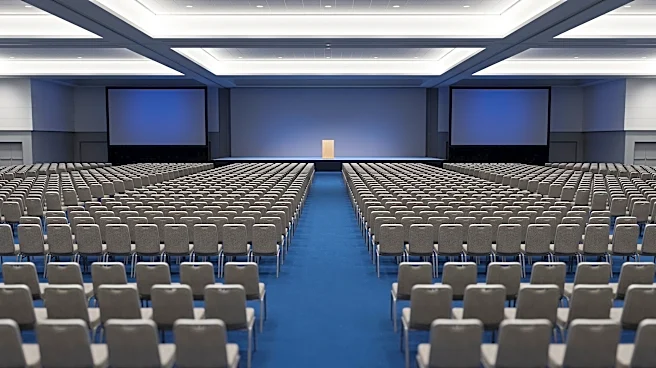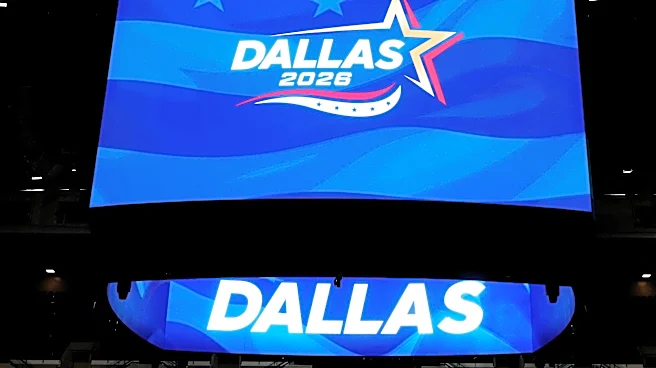



Candidates in five key Senate contests and other top battleground races will be featured at the Republican Party's first-ever midterm convention, putting a spotlight on the races amid questions about whether the event helps candidates in swing seats.
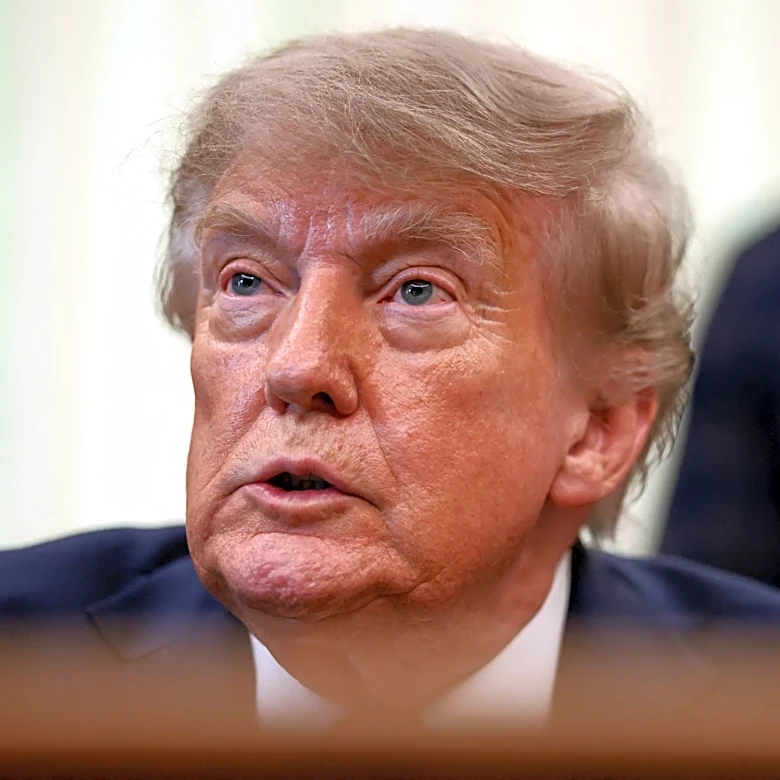
The Republican National Committee released the names of nearly four dozen candidates, elected leaders and Trump administration officials speaking at the convention in Texas, and a change in speaking plans for President Donald Trump and Vice President JD Vance.
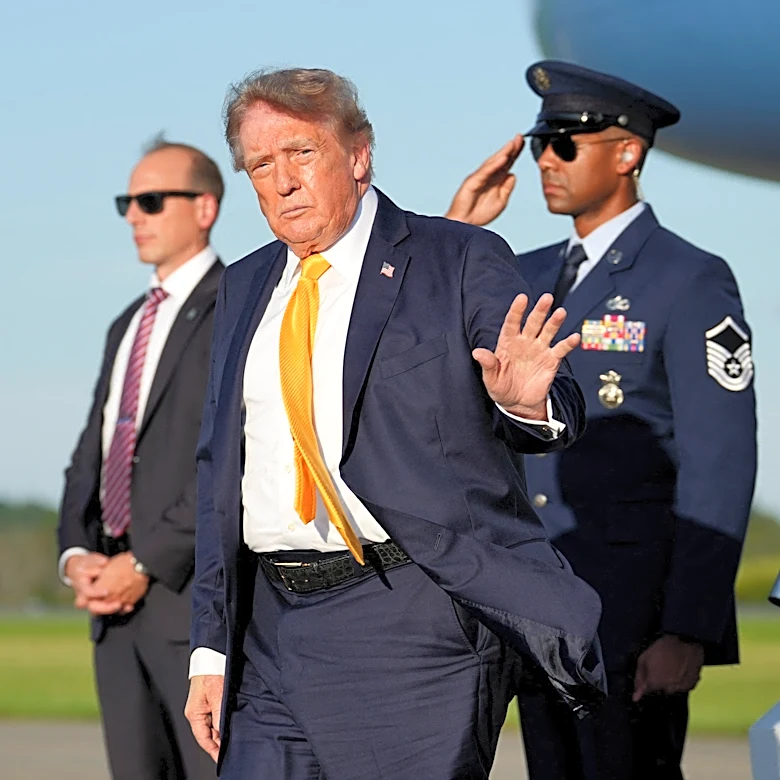
Trump now will deliver the keynote address on the first night of the convention and closing remarks on the second night, while Vance delivers the keynote address on the second night of the two-day event, which is being held Sept. 9 and Sept. 10
in Dallas.
The convention program released by the RNC on Sept. 5 includes Senate candidates in Michigan, Ohio, North Carolina, Georgia and Texas, all states that are central to the battle over control of the chamber. Candidates in many competitive House races also are being featured at the event.
House Speaker Mike Johnson and other congressional leaders will appear at the convention, along with the president's eldest son, Donald Trump Jr., and administration officials such as Health Secretary Robert F. Kennedy Jr., Acting Attorney General Todd Blanche, Treasury Secretary Scott Bessent and former White House Press Secretary Karoline Leavitt.
Some Republicans are warning the convention could backfire in battleground races as Trump's low approval rating weighs on the GOP. Candidates in some key contests have announced they won't be traveling to Dallas, including Sen. Susan Collins, R-Maine. The convention program released by the RNC doesn't include candidates in other competitive Senate races, such as Iowa and Alaska. Organizers said more speakers will be announced in the coming days.
A Politico survey of 70 Republican candidates and members of Congress found that most aren't going to the convention or haven't decided yet.
Vance downplayed the absences during a Sept. 3 press briefing, saying they don't concern him.
"We don't need a congressman in a tight race to be there in all cases," Vance said. "Sometimes it might be better if that guy's out there raising money. But I think people are going to make a determination: What is the best way for me to spend my time as a candidate."
The convention comes just after Labor Day, as the campaign season kicks off in earnest, requiring candidates to take time away from talking to voters less than two months before Election Day. Being too closely tied to Trump also could be problematic for candidates in tight races. Just 4 in 10 voters approve of the president in the Real Clear Politics average of recent polls.
While the confab is getting a lackluster reception from some in the party, organizers hope it will boost GOP enthusiasm. The convention has been dubbed "Trumpapalooza" by Republican National Committee Chair Joe Gruters, who said it will help unify the party and reach voters who may not have tuned in yet.

This article originally appeared on USA TODAY: Battleground candidates head to GOP convention. Could it backfire?