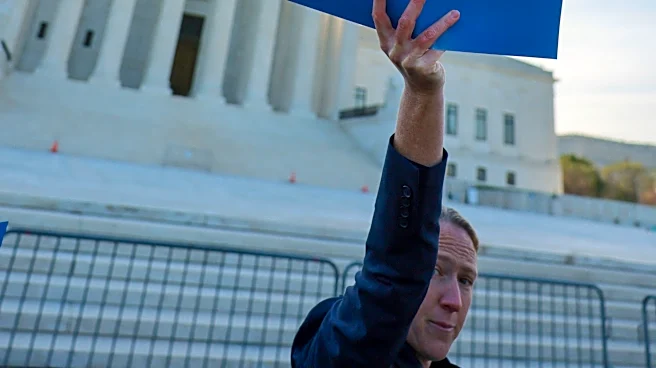







WASHINGTON – The Supreme Court on Nov. 13 said it will review President Donald Trump’s asylum ban at the United States-Mexico border, adding yet another dispute over a Trump immigration policy to the list of cases the court is considering.
The administration says Trump's policy of not allowing immigrants to seek asylum if they cross the border illegally is the “most important and effective” piece of the president's efforts to secure the southern border, which is one of his top initiatives.
But a federal judge ruled last year that Trump lacked the “sweeping authority” he asserted.
An appeals court likewise said the president cannot enact a categorical ban on asylum requests for some applicants.
The Justice Department told the Supreme Court that presidents
have inherent authority to secure the border and protect national security.
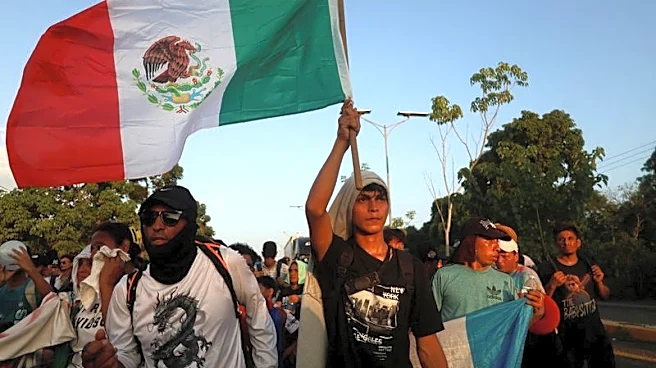
On his first day back in office, Trump issued a proclamation declaring crossings at the southern border an “invasion” and sought to prevent many immigrants arriving there from applying for asylum.
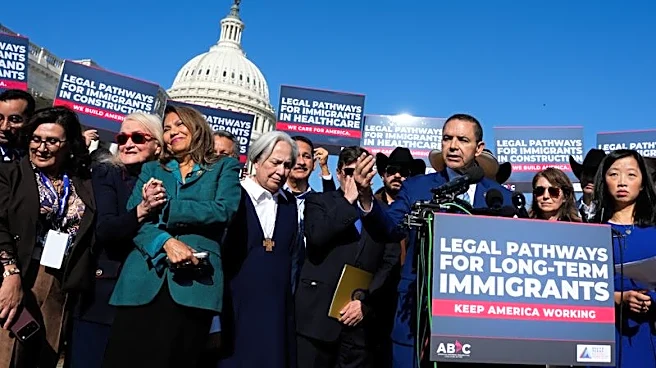
Immigrant rights groups and individual immigrants sued. They argue that Trump is eviscerating the protections Congress created for people fleeing persecution or torture.
Federal immigration law allows anyone in the country or at an official entry port to apply for asylum.

Processing an asylum request can take years, and many migrants have been allowed to remain in the United States in the meantime.
That’s created an incentive for migrants to come to the United States, the administration argues, even if they know their asylum claims will eventually be rejected.
The Justice Department says that because the decision of whether to grant asylum is up to the government, the president can also broadly decide that anyone who illegally crosses the border is not eligible for asylum.
That policy has dramatically reduced – by 93% − the number of migrants apprehended at the border, according to the government.
Immigrant rights groups challenging the policy responded that border apprehensions were already down more than 90% from their peak before the change took effect.
“If the Executive Branch nonetheless believes it needs new tools to manage the border,” lawyers for the groups told the Supreme Court, “Congress must provide them.”
Other immigration cases the court will hear this term include challenges to two more practices important to the president’s crackdown on immigration.
The court will decide whether the administration can detain millions of immigrants without giving them a chance to seek bond, and whether it can deport immigrants to countries other than their own without letting them argue that they could be persecuted or tortured there.
Decisions are expected by the end of June.
Last June, the court said the federal government may systematically turn back asylum seekers before they cross ports of entry along the U.S. border with Mexico, a previous migrant management practice that the Trump administration may want to bring back.
The court also allowed the administration to end deportation protections for Haitians and Syrians, giving the administration a freer hand to curtail a humanitarian program that has allowed hundreds of thousands of immigrants from dangerous countries to temporarily live and work in the United States.
This article originally appeared on USA TODAY: Supreme Court to weigh in on Trump's asylum ban, one of his top initiatives