



The popularity of secondhand buying and selling of goods as a way for Americans to save money continues to grow, according to anew report from eBay.
Secondhand shopping is becoming a more deeply embedded part of everyday life, both globally and in the U.S., according to the report.
Seventy-six percent of people surveyed said they have shopped secondhand in the past year and 47% percent said they buy secondhand goods at least monthly, up from 35% in 2025, according to a "Recommerce Report" conducted by eBay. The global online platform surveyed 10,523 secondhand shoppers and 1,707 eBay sellers.
Saving money ranked in the top three reasons for buying secondhand for 84% of shoppers, with 46% ranking it number one. The top three categories eBay shoppers said
they look for are everyday fashion, footwear and home and media items.
"With affordability, it is helping (shoppers) stretch their budget while finding what they want," Jamie Iannone, eBay CEO, told USA TODAY in an exclusive interview. "When they buy secondhand goods, they're leaning into the value that they can get from it."

Reselling for extra money
Consumers are also reselling items as a way to earn more money.
The largest driver of growth for eBay for several quarters has been consumer to consumer business, or Americans selling and buying things from each other, said Iannone.
The average American has between $3,000 to $4,000 worth of stuff in their house that they can sell online, Iannone said. Nearly 40% of consumers surveyed said they have sold secondhand items online.
Surveyed eBay sellers said their most popular categories were collectibles and memorabilia (31%), followed by electronics and computers (27%) and books, movies and music (24%).
Younger buyers lead the way on secondhand buying
Buying secondhand and thrifting has grown in popularity as the stigma of earlier years has waned and younger generations have embraced the idea of saving money and reusing items to promote sustainability.
Iannone said he's personally seen it with his kids. His daughter would often take him thrifting when she was a teenager. And the younger generation is "also into being creative and being unique," he said.
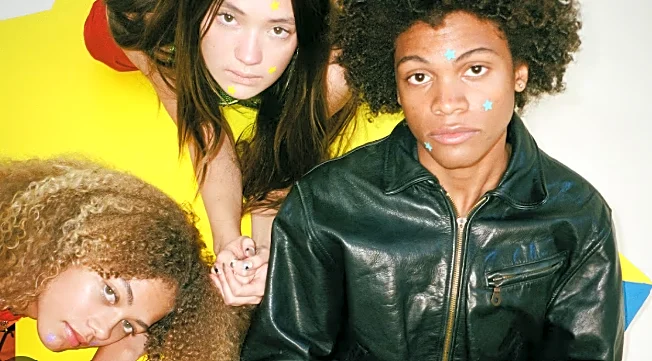
Forty-six percent of 18- to 29-year-olds surveyed said they buy secondhand weekly or bi-weekly, compared with 28% overall, and 53% expect to buy more in the next year compared with 36% overall.
Eighty-three percent of consumers surveyed said they liked the environmental benefits of buying previously used items.
Buying 'pre-loved' extends life cycle of goods
Twenty-nine-year-old Victoria Jelert of New York City has been buying secondhand from eBay and other platforms since she was a teenager.
"Ninety percent of what I buy is secondhand," Jelert said. She's bought a variety of things from rare books to home goods to designer clothing.
"I like these pre-loved items, if you will. I think there's something really special about finding these unique older pieces or something that feels a little bit more personal."
Jelert said too many goods are overproduced.
"Whenever we have the opportunity to extend the life of something that already exists rather than producing something new, I think inherently that's a good thing," she said. "I also love knowing that I'm contributing to more of a circular economy."
Jon Steingart, a longtime Philadelphia-based eBay user who buys and resells refurbished electronics, said he's seen the demand grow for quality used products as people are looking to stretch their dollar.
"I've been seeing an increase in buyers who normally wouldn't buy refurbished," said Steingart. "They want as close to new as possible but they want to save money."
Steingart said his busiest times of year are back-to-school, with a lot of college students buying refurbished electronics, and the holidays.
Iannone said he believes secondhand shopping will play a big role in holiday shopping and gift-giving this year.
"I think we're going to see a lot more people doing pre-loved shopping," he said.
Betty Lin-Fisher is a consumer reporter for USA TODAY. Reach her at blinfisher@USATODAY.com or follow her on X, Facebook or Instagram @blinfisher and @blinfisher.bsky.social on Bluesky. Sign up for our free The Daily Money newsletter, which breaks down complex consumer and financial news. Subscribe here.
This article originally appeared on USA TODAY: Why secondhand shopping is booming for Americans