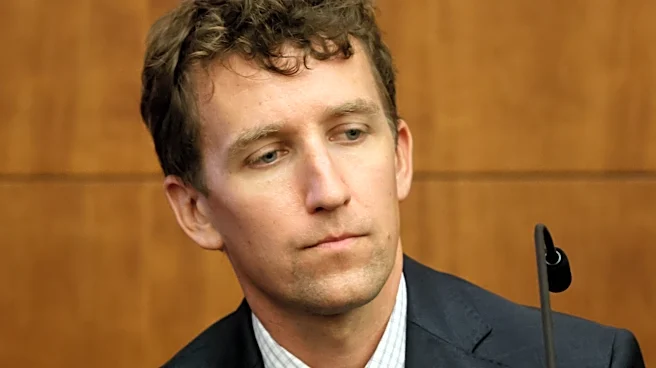








When Patrick Clancy came home from running errands and picking up dinner for his family on the evening of Jan. 24, 2023, he knew his life was changed forever.
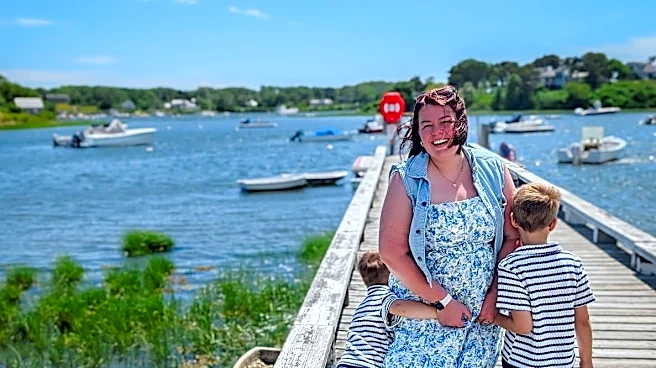
He found his now ex-wife, Lindsay Clancy, lying in the backyard after a suicide attempt. Patrick Clancy said he then found his three children strangled in the basement, and he called 911. Two of his young children, 5-year-old Cora and 3-year-old Dawson, were already dead, and 8-month-old Callan was airlifted to Boston Children's Hospital.
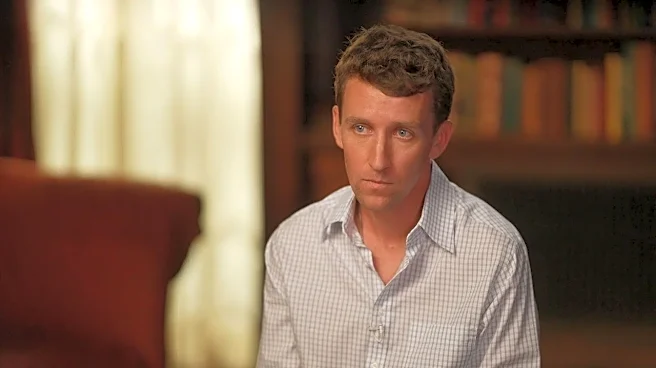
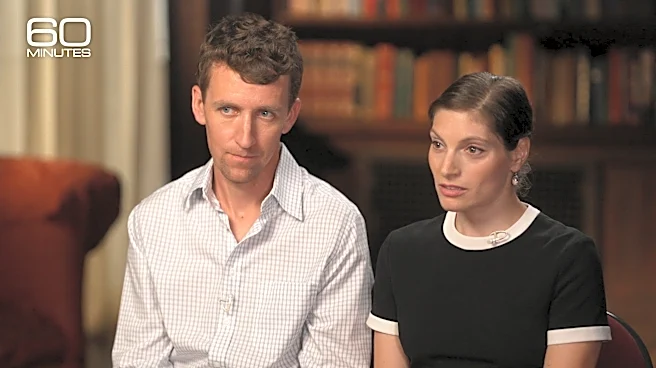
"That night, I really thought there was a chance that Callan would live," Clancy shared in his first televised interview on CBS' "60 Minutes" on Sept. 20. "And I remember just thinking, just give me one. Just give me one kid. And I would raise him as best
I could, and I would give him the best life I possibly could. And I'd tell him about his brother and sister. And I was holding out hope for that."

Callan died four days later. "I'm so grateful for those four days that I had with him," Clancy said on "60 Minutes." He said he was able to hold Callan, talk to him and lie with him in his final moments. "He died in my arms," Clancy said.
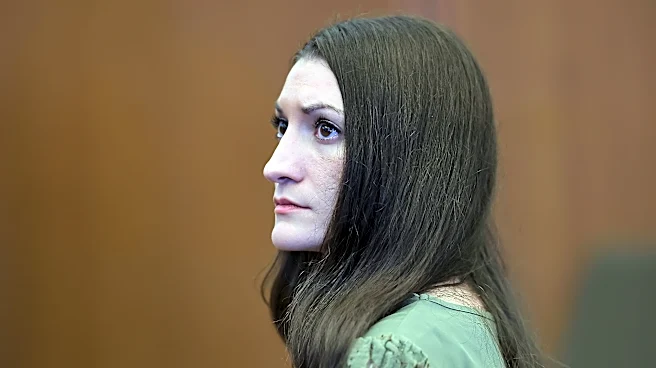
Clancy has faced scrutiny online for what some saw as a lack of emotion during his testimony in the triple-murder case against his ex-wife, which resulted in a mistrial in early September. During his "60 Minutes" interview, his new wife, Dr. Rachel Danis, joined him and shared that they are expecting their first child together, adding to the public outcry.
At best, Clancy's critics have questioned his love for his family. "He didn't care about his family, or at least his wife, before all this," one user posted on TikTok, adding that he "moved on really quickly." At worst, they have accused him of killing his children and framing his ex-wife − an unsupported conspiracy theory since Lindsay Clancy has admitted to killing her children, and the trial focused on whether she was to be held criminally responsible, not whether or not she killed her kids.

People grieve in all different ways, said grief coach and licensed social worker Erin Barbossa, and for people who experience extreme tragedy, "their psyche is just focused on survival." While Barbossa has made a point not to follow the Clancy trial and said mental health professionals can't and shouldn't make assessments without working with a client directly, she does know that grief is more complicated than most people can let on, and that it's not helpful to judge the way that anyone grieves.
"You cannot judge grief and how people process it. Everyone's relationship with grief or an event is very, very unique to that person," said Rob Fazio, a licensed psychologist and cofounder of Hold The Door For Others, a nonprofit organization that offers free resources and guidance for those processing grief. He added that traumatic grief, as it relates to Clancy's situation, is even more nuanced and complex.
"This is traumatic and complicated grief, and there is no path," Fazio said.
Why it doesn't sit right to see someone 'move on' after tragedy
People don't really "move on" from profound loss, Fazio said, but they can learn how to live alongside their grief and try to find meaning in their lives. That's what he thinks Clancy is doing now.
"You can grieve and grow at the same time, and healthy relationships are part of growth," Fazio said. "That doesn't mean that you're forgetting about the children that you lost."
But seeing someone like Clancy appear to have "moved on" with a new wife and baby on the way can be triggering to others, Fazio said, and lead to judgment because "we don't like change" and tend to criticize "things we don't understand." And judgment surrounding grief isn't reserved for Clancy or public figures. Regular people who experience tragic losses feel this pressure all of the time, Barbossa said.
"A lot of times, people who are grieving feel very much on a stage, like everybody's watching what they're doing," she said, even in small communities. That pressure, Barbossa said, can feel magnified as people make other life decisions like whether to start dating again or to move to a new home.
Judging someone for how they grieve is incredibly harmful, said Jill Daino, a licensed social worker and founding member of the Talkspace Council of Mental Health Experts. Everyone experiences grief at some point in their life, she said, and yet grief is still "one of the most isolating experiences that people go through."
"There is not one way to grieve. There's not a right or a wrong way to grieve," Daino said, adding that "there's not a timeline for grief" and that it can be "a very private process."
"People think, 'Oh my gosh, someone should be crying all the time.' It doesn't necessarily look like that in public," she said.
Like Fazio, she said that most people don't actually "move on" from grief, "but their lives do continue."
"We do not know what is going on behind the scenes for anyone," she said.
If you or someone you know needs mental health resources and support, please call, text or chat with the 988 Suicide & Crisis Lifeline or visit 988lifeline.org for 24/7 access to free and confidential services.
Madeline Mitchell's role covering women and the caregiving economy at USA TODAY is supported by a partnership with Pivotal and Journalism Funding Partners. Funders do not provide editorial input.
Reach Madeline at memitchell@usatoday.com and @maddiemitch_ on X.
This article originally appeared on USA TODAY: Patrick Clancy, his grief journey and the optics of moving on after tragedy