


I’m a bisexual zillennial who spends most of my day combing through politics and pop culture on social media.
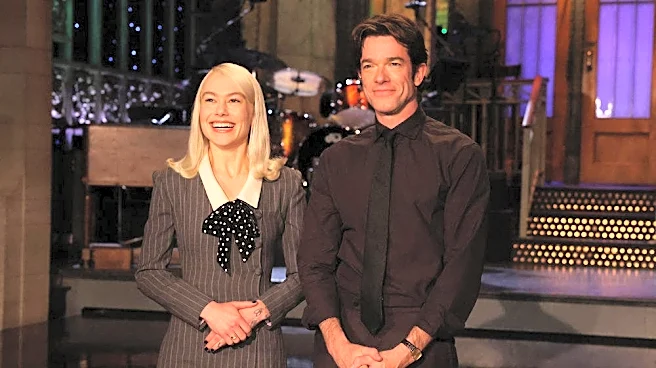
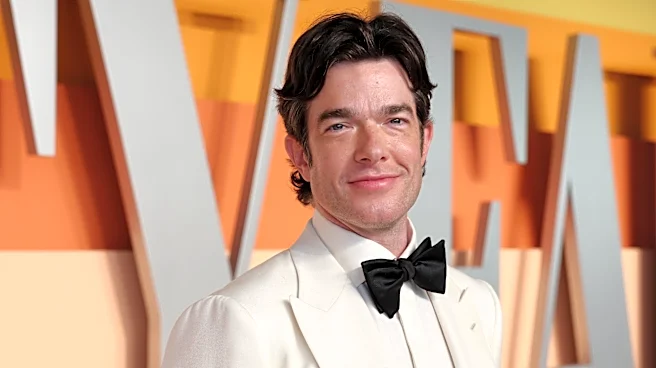
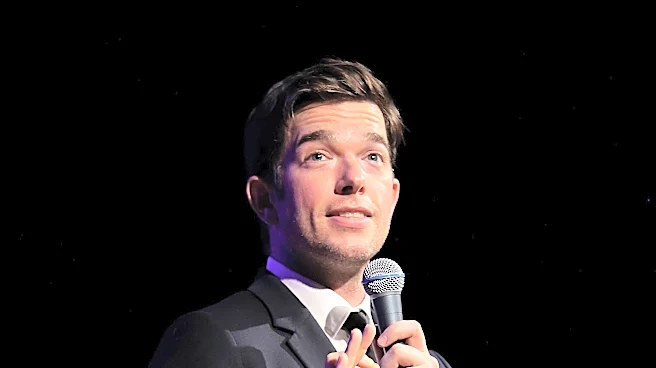
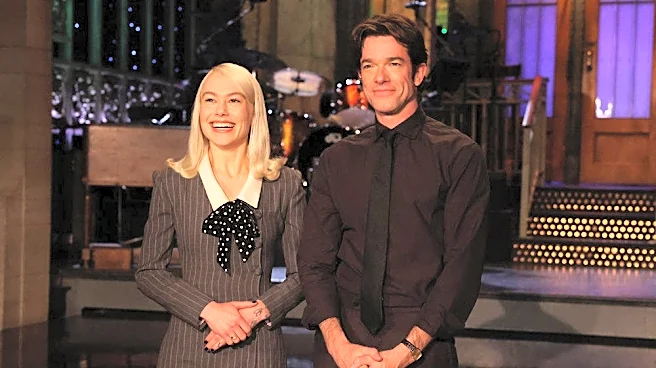
By all accounts, I’m squarely within the demographic "Saturday Night Live" was targeting with its Nov. 14 episode, when comedian John Mulaney hosted for the seventh time alongside musical guest Phoebe Bridgers.
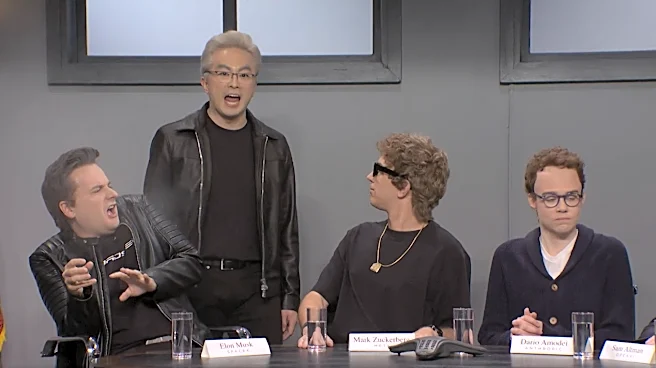
When I tuned in to the episode Sunday morning (the closer I get to 30, the less likely I am to stay up past midnight), I was met with a sharp cold open of five "SNL" players dressed as the world’s richest men alongside Mulaney as a CIA officer, explaining to the billionaires that beautiful women and "people who would be interested in your shared opinions and interests” are not a Venn diagram with much overlap. At the end of the sketch,
former cast member Bowen Yang appeared as former Nvidia CEO Jensen Huang, starting the episode off strong.
Throughout the episode, I found myself laughing more than once. That probably sounds like a low bar for a comedy show, but hear me out.
For a show in its 52nd season, "Saturday Night Live" is exactly where it needs to be – producing a good show for those of us who still have some form of TV, while creating clips for the generation below me watching on their phones.
'SNL,' somehow, hasn't lost relevance to young Americans

For years now, people have been unable to place "SNL." Like New York City itself, there is an unspoken understanding that those of us who just got here missed out on the fun – that there was a time when things were funnier, grittier and, well, better.
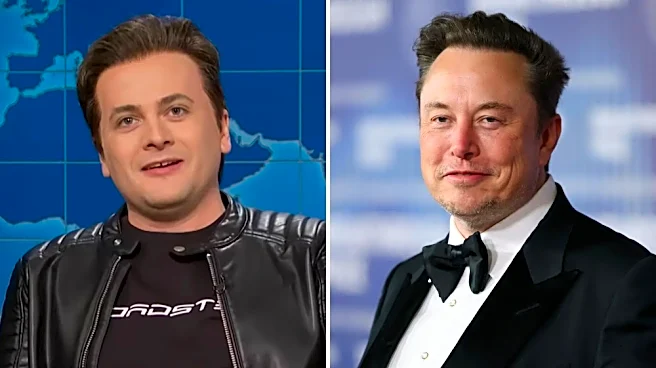
Some critics have called out the failure of the show to speak truth to power over its duration, from the controversy surrounding the late singer Sinead O’Connor ripping up a picture of the pope to Elon Musk’s episode in 2021.
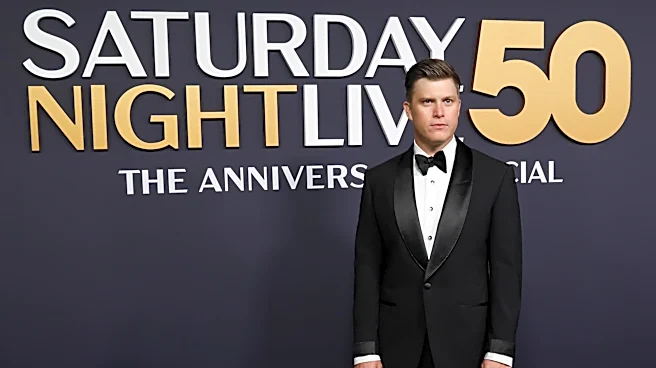
"Despite its superficial patina of underdog spikiness, throughout its history SNL has tended towards sympathy for the powerful and the influential,” Helen Holmes wrote for The Guardian in 2025, during the show’s 50th anniversary.
I agree with this critique – "Saturday Night Live" has tried to position itself as television for the masses, and in doing so has stayed far more conservative than some of its more politically focused counterparts, like "The Daily Show."
But for what the weekly show is – both in how it reflects the rest of the country and New York City itself – it’s doing a perfectly good job.
I’d go so far as to argue that most of the people who want the "SNL" of yesteryear – when Adam Sandler was singing opera on "Weekend Update" and Will Ferrell was playing the cowbell for Christopher Walken – have simply aged out of finding the show funny.
In recent years, the show has hired more Gen Z and millennial talent to attract younger viewers, an important step toward building a new audience as other groups age out. In 2023, Gen Z made up less than 20% of the show's viewership, something the show is clearly trying to fix.
The desire for "monoculture" hasn't gone away with the rise of social media, and "SNL" still has a place in our modern cultural lexicon. It just might look different than it did in earlier seasons.
2026 'Saturday Night' wins – and losses

"Saturday Night Live" may have gotten me to tune in with Mulaney and Bridgers, but what really caught my attention was its episode the week prior, when internet comedian Druski became the first content creator to host the show.
The sketches with Druski, including a spoof of Nathan Fielder's documentary, “You Can See Everything,” and a trip to the Dominican-operated cell phone store Bubu Mobile, were funny and eye-catching. They also took over my social media feed – which is exactly what the show should be aiming for in a media environment dominated by content creators.
But a few weeks before that, comedian Shane Gillis was deeply unfunny when he said women at the gym “just dress like whores now” in his opening monologue.
It’s a shame he made that comment when the women of the cast – notably the recent inclusion of featured players Grace Reiter and Saidah Belo-Osagie, as well as returning cast members Ashley Padilla and Jane Wickline – have made the show what it is now.
Controversies aside, I believe in "SNL." At its sharpest, it is calling attention to important political and cultural phenomena, like with this week’s feminist-fueled sketch “Sister,” which features Wickline as Mulaney’s sister who becomes a caretaker for their ailing father.
Beyond that, the show is fine – sometimes good, occasionally great – but still an important piece of art in a rapidly evolving media landscape. I think many of the show’s critics simply can’t handle that they are no longer the target demographic for something.
It simply appears the new era is catering to social media, and people don’t like that. But with its recent episodes, it looks like the show is finally adjusting to the environment that netizens have lived in for years. Its recent successes prove as much.
Follow USA TODAY columnist Sara Pequeño on Bluesky: @sarapequeno.bsky.social
This article originally appeared on USA TODAY: I laughed at 'SNL.' Is it actually ... good? | Opinion