




This article discusses suicide and suicidal ideation. If you or someone you know is struggling or in crisis, help is available. Call or text 988 or chat at 988lifeline.org.
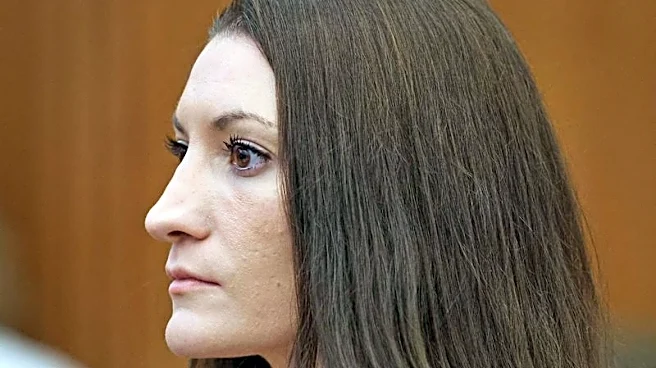
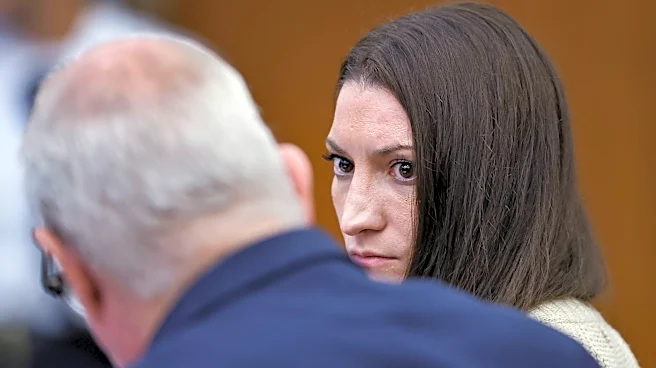
In a final push to jurors in the Lindsay Clancy murder trial, attorneys on each side painted the Massachusetts mother in two radically different lights: as a murderer or victim of postpartum psychosis.
The prosecution and defense both made closing arguments in court on Aug. 27 after weeks of testimony from dozens of witnesses in the trial of the mother accused of murder in the killing of her three children.
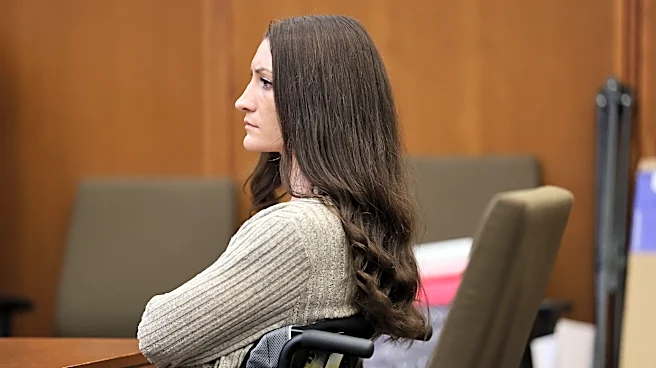
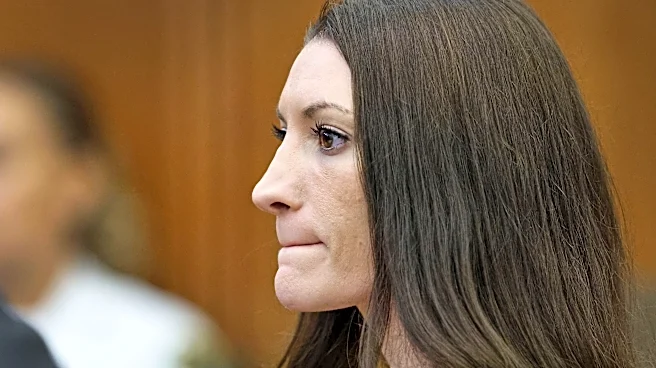
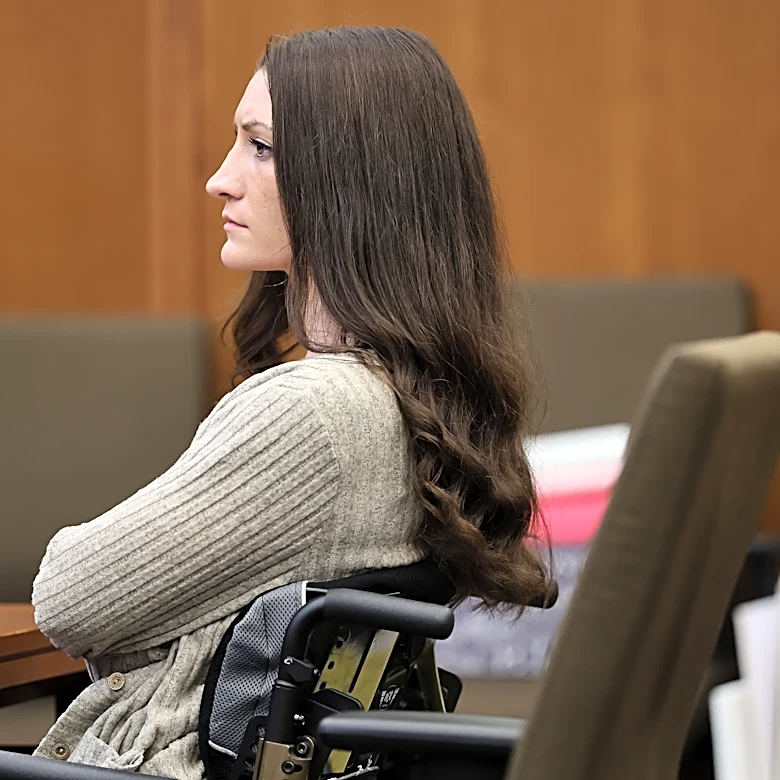
Clancy, 36, is facing three counts of murder in the January 2023 strangulation deaths of her three children – Cora, 5, Dawson, 3, and Callan, 8 months – at the family's Duxbury,
Massachusetts, home. She has pleaded not guilty.
Prosecutors allege Clancy planned the killings by sending her husband to pick up takeout food and medicine, then, while he was gone, strangling the children with exercise bands. Afterward, Clancy cut her wrists and neck and jumped out of a second-story window, leaving her paralyzed.
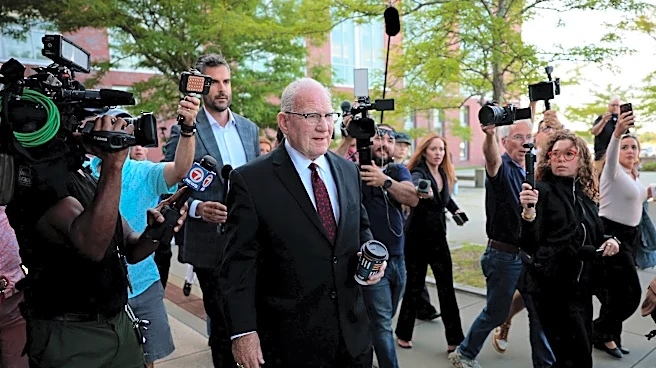
Clancy's attorney Kevin Reddington argues that she is not guilty because she lacks criminal responsibility – more commonly known as an insanity defense – because she was suffering from postpartum depression and psychosis at the time of the killings.
Here's a recap of both sides' closing arguments.
Closing arguments given in Lindsay Clancy trial
Plymouth County Assistant District Attorneys Shanan Buckingham and Jennifer Sprague called more than 70 witnesses over the course of 14 days of testimony before resting their case on Aug. 17.
On Aug. 21, Reddington rested his case after calling 10 witnesses. The prosecution then called three rebuttal witnesses, called to rebut previous testimony, according to Cornell Law School.
Both the prosecution and defense presented their closing arguments on Aug. 27. Each side was allotted one hour for their statements. Closing arguments allow both sides to advocate why jurors should decide the case in their favor, according to United States Courts.
After receiving final instructions from judge William Sullivan, the case heads to deliberations as jurors are tasked with deciding Clancy's fate.
Prosecutors say Clancy made a choice to kill her kids in closing arguments
Sprague opened the prosecution's closing argument by saying that it does not dispute Clancy’s mental health struggles, but those struggles don’t discount the fact that the killings occurred.
“This case is not about our mental health system and how it treats women. ... What's on trial here, what the issue is here, is what Lindsay Clancy did the night of January 24, 2023, and what her mental state was at the time,” Sprague said.
Regarding Clancy’s medical care, Sprague argued that providers “were doing the best they could with the information she provided them,” but that Clancy was not always truthful with them.
Sprague emphasized that many of the medications Clancy was prescribed were not taken as instructed. As a nurse, Clancy knew the importance of following providers’ instructions, Sprague argued. Clancy was offered multiple options for treatment programs to attend, Sprague noted.
“She wants help, no one’s saying she doesn’t want help, but she's making these decisions and doing these things that aren't helping her get help, that are turning away help. Because she wants the help in a certain way, in a certain time frame,” Sprague said.
Sprague also contended that Clancy lied to her health care team about having intrusive thoughts of harming her kids because she knew they were mandated reporters and was concerned about losing custody of her children.
Recounting the night of Jan. 24, 2023, Sprague argued that the steps taken in the killings – bringing the kids to the basement and strangling each of them individually, in separate rooms – showed Clancy was methodical.
She argued that Clancy planned and deliberately chose to kill the children, and knew the difference between right and wrong at the time.
“She was depressed. She was exhausted. She was done. She didn’t want to try anymore. She felt damaged. But those kids, those kids were her protective factor. Those kids were keeping her from ending her misery. And so she had to remove the protective factor,” Sprague said.
“She could have killed herself and left her kids alive. But it was a choice to take them with her.”
Sprague also argued that Clancy fabricated hearing an auditory hallucination, emphasizing inconsistencies in the story and that Clancy has not heard a voice since.
Clancy killed her children with “extreme atrocity and cruelty” because she strangled them, causing them pain, Sprague said.
“She left them discarded on the basement floor like broken toys because she was done playing the game,” Sprague said.
Defense paints Lindsay Clancy as a 'good mother' in closing arguments

Reddington began his closing arguments by thanking jurors for their service.
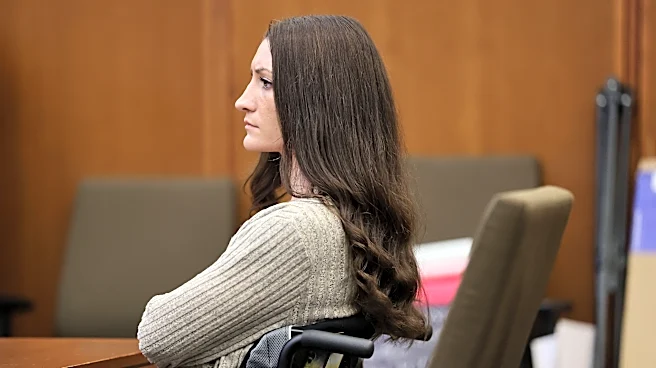
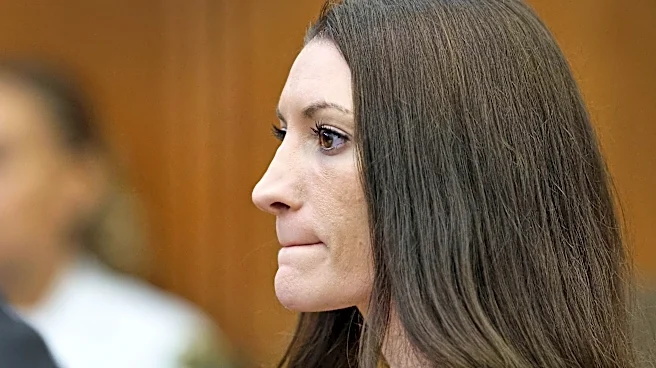
“Cora, Dawson, Callan. They are the victims of this case,” he said in front of the jury as Lindsay Clancy wiped away tears from behind the defense table.
He employed the use of several large posterboards with exhibit printouts, including crime scene photos, text messages and pictures of the Clancy family.
"How does this,” Reddington said, holding up a photo of the smiling family before the killings, “turn into this,” he said, pointing to a photo of Lindsay in the hospital after the fact.
“Because of the damn medicine and the lousy medical care that she got,” he continued.
Holding a poster showing a text message exchange in which Clancy asked her mother to help her, Reddington said: “It shows clearly and unequivocally the depths of despair this young kid was in.”
He also repeatedly emphasized Clancy’s background as a nurse, painting her as a loving and hardworking mother.
“This young lady did nothing wrong in her life. She was a nurse, a daughter, a wife and a darn good mother,” Reddington said, adding that he doesn’t “have many clients like that.”
“After she ran into Dr. Tufts, it was not a wonderful life anymore,” he said, referring to Dr. Jennifer Tufts, Clancy's former psychiatrist.
Reddington repeatedly chastised the prosecution’s case. He argued that the prosecution depicted Clancy’s suicide attempt as not a serious attempt.
“This was a legitimate, dreadful suicide attempt,” he said.
He also criticized police investigative efforts, referencing a drawer of belongings from Clancy’s bedroom and a bag of medications that was not seized.
Speaking about the auditory hallucination Clancy experienced, Reddington slammed the implication that Paul Zeizel, the psychologist who met her in the hospital, told her to fabricate the story. “Think about how ugly that is,” Reddington said.
Reddington also criticized the rebuttal witnesses for the prosecution, noting that they did not evaluate her for years after the killings.
“She owned what she did. She never ran from anything. She’s gone through evaluation after evaluation,” Reddington said.
Reddington also read from notebooks Clancy kept in the months before the killings, including a log of her medication use and repeated entries in which she indicated she had “horrible thoughts.”
“This young lady is not guilty of killing her children because she was suffering from a disease or defect, as his honor instructed you. And they’re (prosecutors) not gonna be able to prove otherwise,” he concluded.
What did prosecutors, defense argue in Lindsay Clancy opening statements?
In opening statements, Buckingham painted Clancy as a "controlling, meticulous and manipulative" mother, arguing that she committed the murders because she could no longer control "every little detail" of her and her family's life.
"This was a woman who no longer liked the life she thought she wanted. It was getting harder and harder to control," Buckingham said.
Regarding Clancy's mental health treatment in the months prior to the killings, Buckingham also alleged that she "chose to manipulate her providers" and "seek out the quick and easy fix when she was feeling depressed and anxious."
Reddington, in his opening statement, alleged that Clancy was overmedicated for her postpartum depression and anxiety, leading her to experience psychosis and hearing a male voice telling her to commit the killings.
He described Clancy as a doting mother who "tried very hard to get the help she needed."
"These children were loved and nurtured and cared for by her," he said. "She didn't want to get rid of her kids because of her selfish life, as the government indicates. She loved those children right up to the time of their death."
Melina Khan is a national trending reporter for USA TODAY. Keep up with her on X @melinakh and Instagram @bymelinakhan.
This article originally appeared on USA TODAY: Closing arguments given in Lindsay Clancy trial. See highlights