

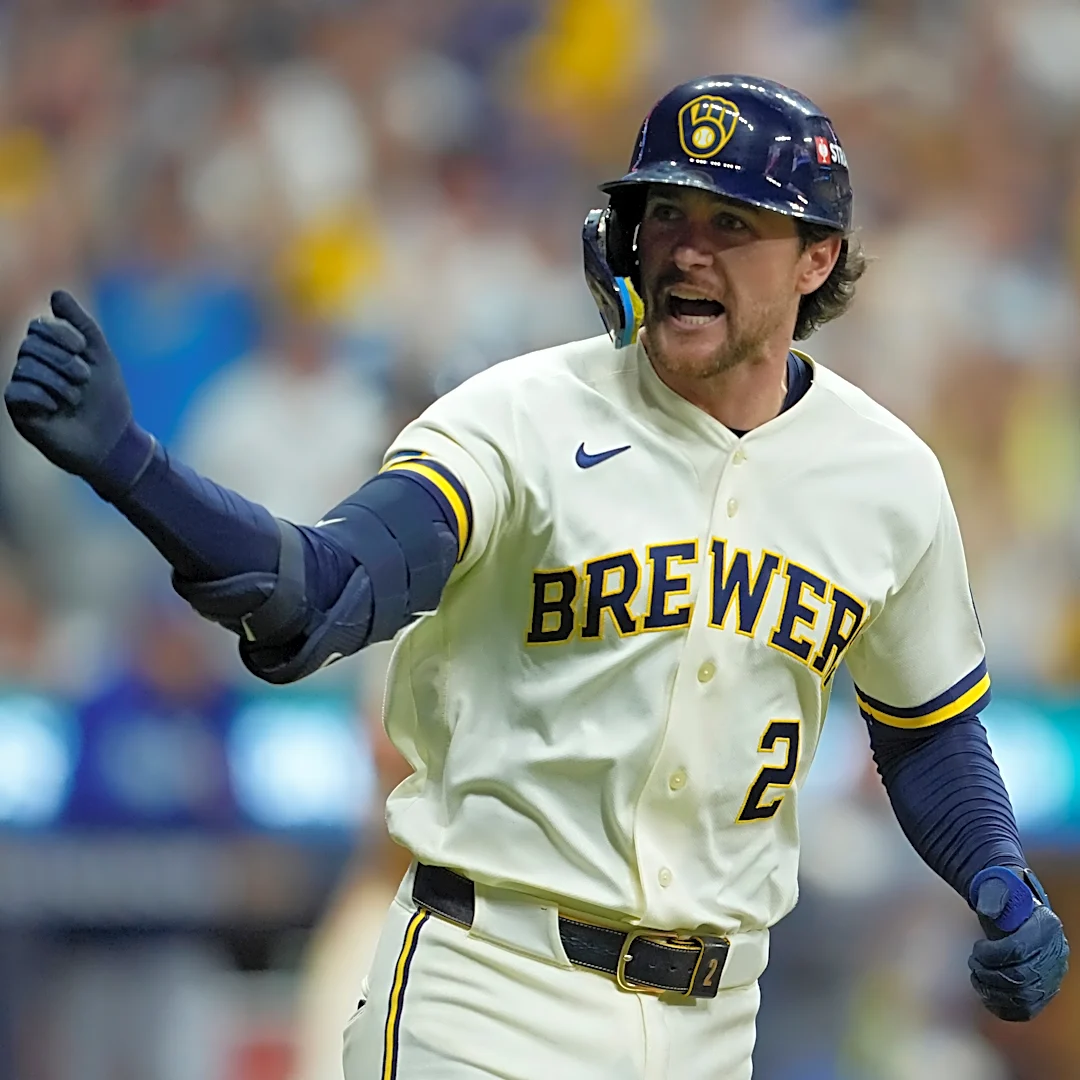
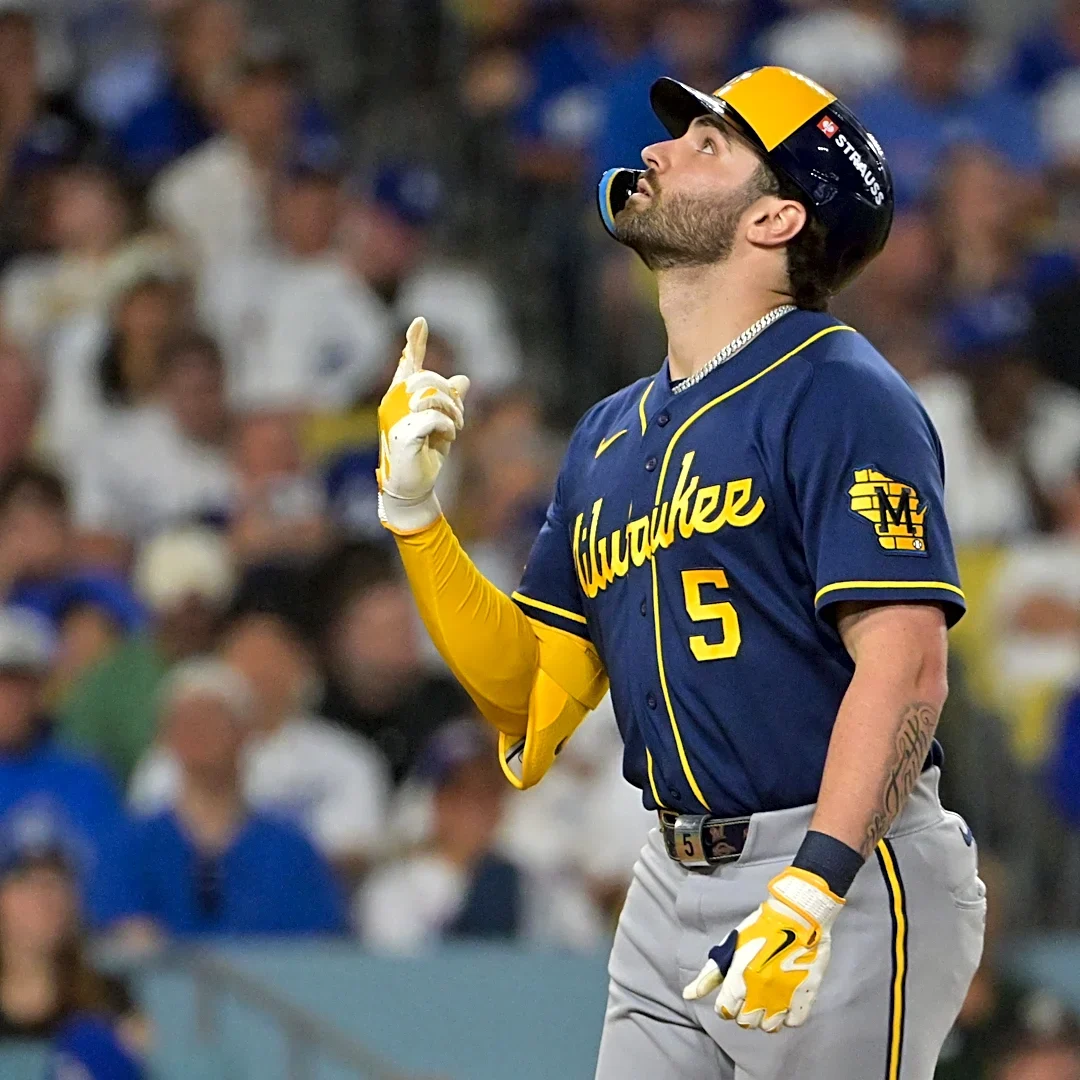
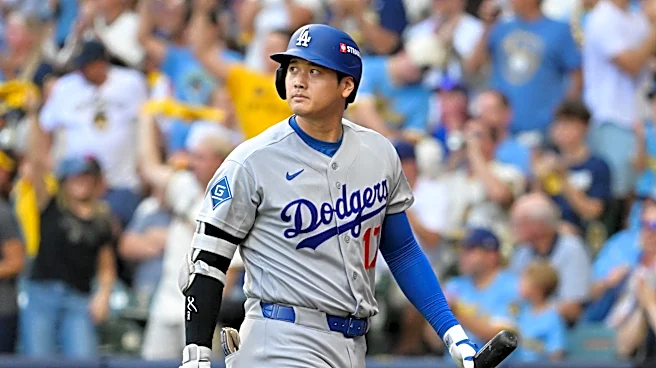
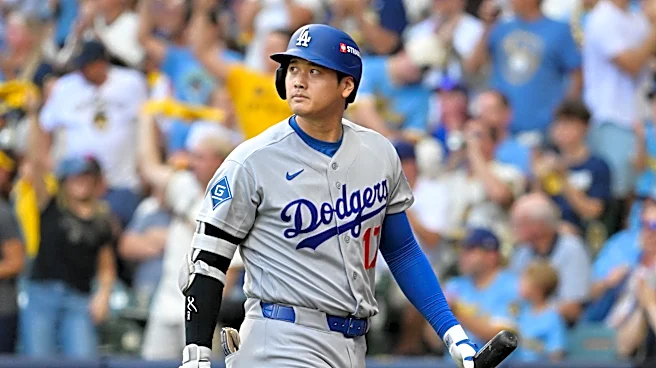

The Los Angeles Dodgers' season − and their quest to become the first National League team to ever win three consecutive World Series − ended Thursday night. Their 6-4 loss to the Milwaukee Brewers secured a sweep in the NLCS at Chavez Ravine, sending the Brew Crew to the Fall Classic for the first time since 1982.
For all the buzz there was back in spring about the Dodgers' chase for history, that talk was downplayed heading into the postseason. The players in the clubhouse and manager Dave Roberts said all the right things heading into the postseason. They couldn't look ahead at the big picture. They had to focus on each opponent in front of them. The chaos and randomness of October was all too familiar to them.
"We don't need to be adding any
extra pressure on ourselves," Max Muncy said before the NLDS. "... Winning the World Series is already hard enough as it is."
All of that rang true once they ran into the buzzsaw that was the Brewers pitching staff, which completely shut down a Dodgers lineup that already wasn't firing on all cylinders in the previous round. Runs come at a premium in the postseason, and LA simply couldn't produce enough of them.
The end result was all too predictable.
Here are the three biggest reasons the Dodgers failed in their push for a three-peat:
Mismanagement of Shohei Ohtani
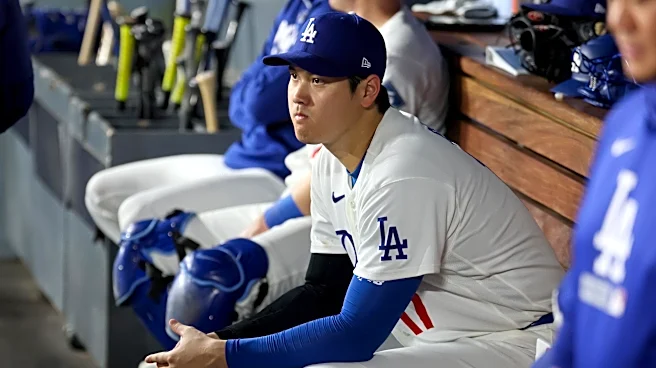
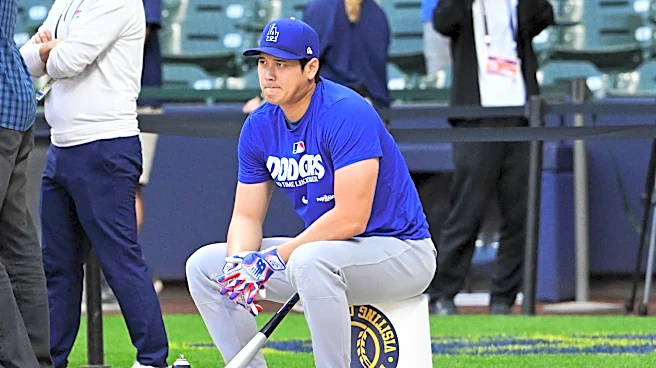
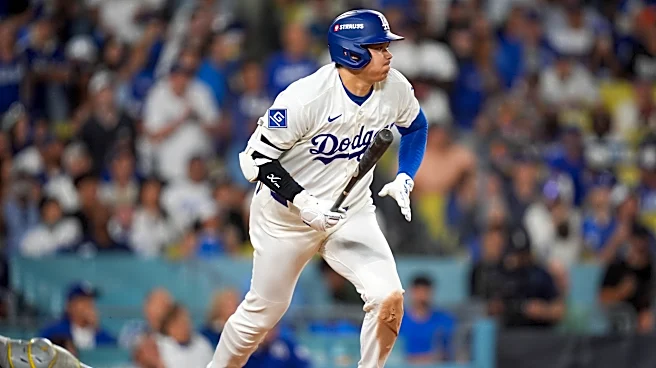
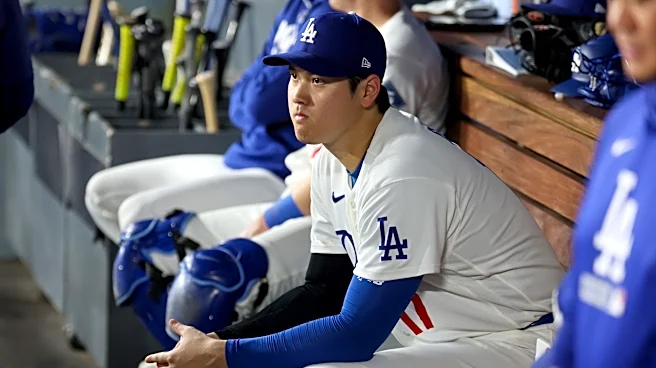
Above all else, the Dodgers simply weren't healthy enough. Shohei Ohtani, hampered by knee and bicep injuries since early July that eventually ended his season on the mound, has not been his superhuman self at the plate. His last home run, before Thursday, was on Aug. 18, and he finished out the regular season batting .157 with a .214 slugging percentage over his final 18 games.
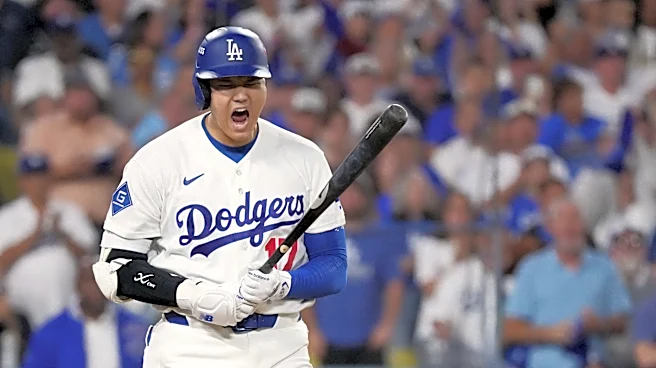
He hadn't fared much better in the postseason, hitting 4-for-22 and not registering a single extra base hit entering Thursday. Roberts' hand was forced to move Ohtani down to as low as sixth in the Dodgers' lineup in Game 3 on Wednesday. Ohtani did show flashes at some points, such as his clutch walk against Abner Uribe to load the bases and set up Will Smith's two-run double that briefly gave LA the Game 3 lead. It was enough for Roberts to move Ohtani back to leadoff for Game 4, where he finally broke through for a monster three-run home run − his first in 116 plate appearances − but it was too late to overcome a Brewers squad that flat-out outplayed them all series.
It became clear that Ohtani's two-week IL stint in September didn't provide the "reset" Roberts and president of baseball operations Andrew Friedman had hoped. Whatever the extent of Ohtani's injuries actually are, they affected him enough to tweak his mechanics and cause the back-to-back NL MVP to develop bad habits at the plate. At that point, it usually takes an offseason at least to work those out of the system. The reasons for not sitting Ohtani earlier in the season, like in July or August when his symptoms began, were straightforward: his bat is simply too valuable to sit, and Ohtani himself feels a deep responsibility and duty to play in every game.
Still, it's hard not to look back and think how he would be performing now if he had gotten time to properly recover.
More injuries
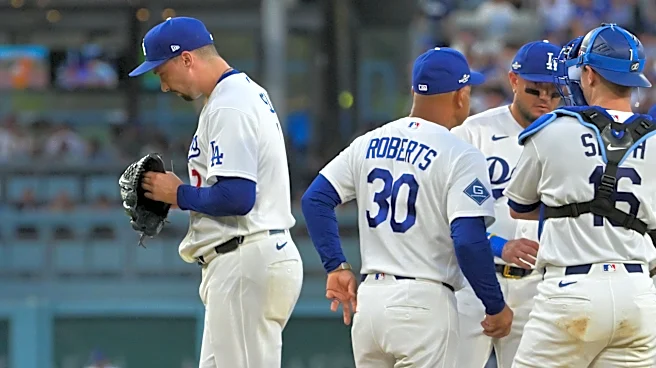
Ohtani's ailments weren't an isolated case. Freddie Freeman was managing a knee injury in the last few days of the regular season. Blake Snell was limited to just 42.2 innings in nine starts this year due to left shoulder fatigue and loose bodies in his left elbow. He pitched well since returning to the rotation on Aug. 11, but his health was again put in doubt when he exited his penultimate start against the Cincinnati Reds on Sept. 16 after just one inning with groin tightness, though he avoided a strain and didn't miss his next start.
Tyler Glasnow missed over three months with back spasms. Will Smith was also out on a roughly similar timeline with a neck injury that kept him sidelined from June 5 until Sept. 1.
All significant players who struggled this postseason.
Offense couldn't produce
The Dodgers offense has been streaky for most of the second half of the season; their struggles with runners in scoring position was not limited to October. They grounded into 128 double plays, the most in the major leagues this year.
As a team, they entered Thursday collectively slashing just .188/.264/.308 with 60 strikeouts these playoffs.
The strength of this lineup has always been its pop. The Dodgers couldn't string hits together or manufacture runs against the Atlanta Braves in the NLDS, but they powered to victory with eight home runs in four games, the most of any team in the postseason entering the NLCS.
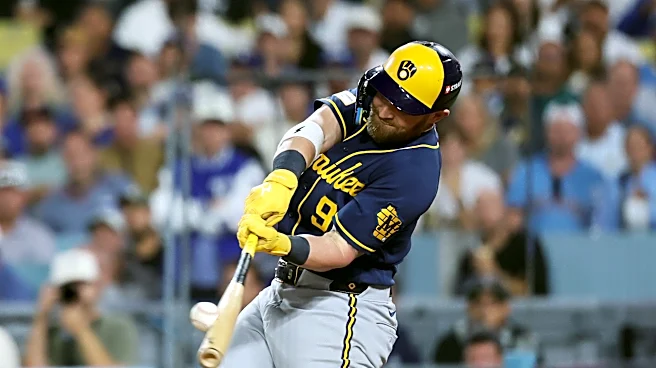
But against a Brewers pitching staff that rarely gives up the long ball, the offense completely sputtered out. Game 4 played out the same script, with the Dodgers going out 2-for-11 with runners in scoring position (5 for 43 in the entire postseason). Even worse, this "small ball" Milwaukee team outslugged LA seven homers to one.
That spelled disaster for the Dodgers this season.
Dodgers' 'four aces' rotation goes bust
For all of the Dodgers' shortcomings at the plate, the starting pitching was supposed to be good enough to pick up the slack. Yoshinobu Yamamoto almost did it single-handedly a year ago, and now Tarik Skubal was in the mix along with Snell and Glasnow, who were both pitching well at the end of the regular season. Skubal and Yamamoto dominated in the NLDS while Snell and Glasnow had mixed results but they ultimately did enough to beat the Atlanta Braves.
All of that unraveled in the NLCS. In 18 innings pitched between Skubal, Yamamoto, Snell and Glasnow, they gave up a combined 13 runs, 16 hits and eight walks for a 6.50 ERA, according to the OC Register's Bill Plunkett.
This article originally appeared on USA TODAY: The Dodgers pushed for history. They failed. Here's the 3 biggest reasons why.