


Every two years, politicians and media outlets alike remember that Latino Americans are a voting bloc in this country in the final hours of the election cycle. Despite this, their votes can decide who wins, even if they remain a group that's hard to predict.
In 2024, 32.8 million Hispanic Americans were eligible to vote, making them the second-largest racial or ethnic group of voting-age Americans. Yet only 16.6 million of these eligible voters cast a ballot in the last presidential election.
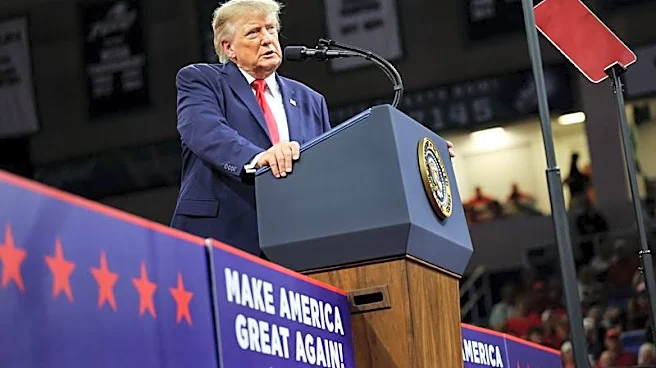
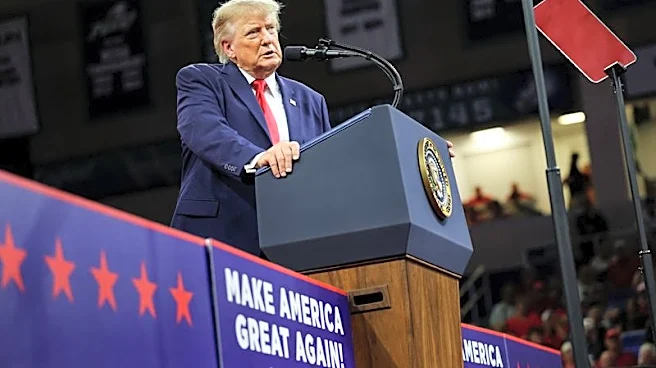
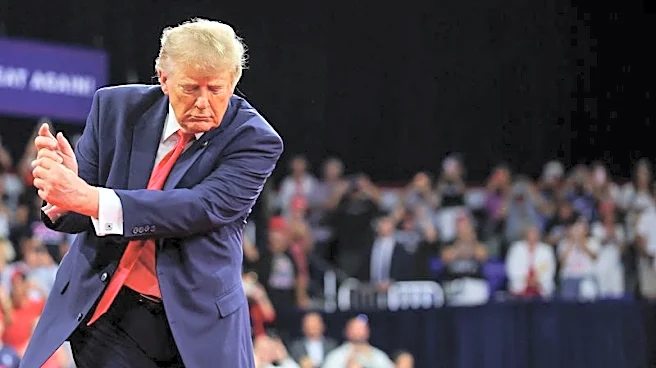
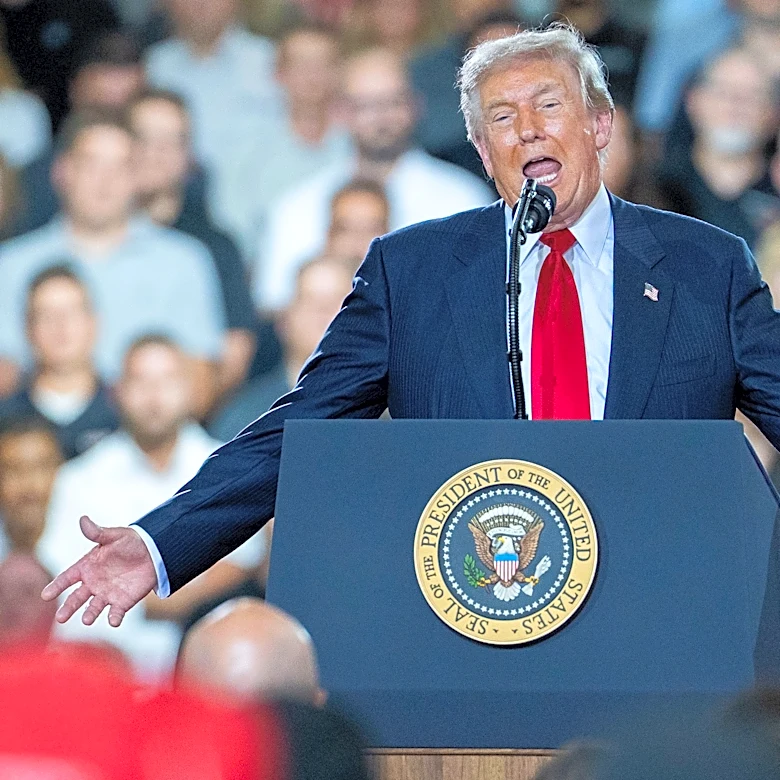
Republicans certainly knew this. The Latino swing for President Donald Trump in 2024 was remarkable. Although a majority of the demographic still voted for former Vice President Kamala Harris, Trump won 43% of the group’s vote – breaking the record for the most
Latino voters a Republican has won since George W. Bush in 2004.
That was before Trump showed voters the man lurking behind the empty campaign promises. It was before he started a costly war with Iran that no one wanted, a war that has caused gas prices to spike. It was before he introduced tariffs that made the price of goods go up. It was before the One Big Beautiful Bill Act cut Medicaid, and before he spent or plans to spend at least $1.6 billion of taxpayer dollars into inane “beautification projects” in our nation’s capital.
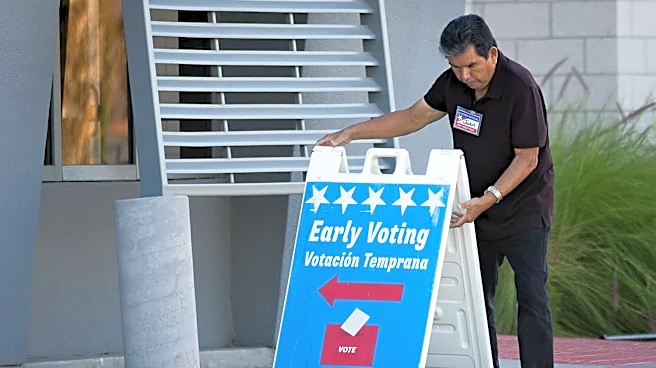
With early voting for the midterm elections already underway, how will the Latino vote turn out?
Democrats have been spending to reach the Latino vote

Latinos, like all Americans regardless of race or ethnicity, are tired of the lies about our economy. And while community members have spent years explaining to politicians that Latinos are not monolithic, Chuck Rocha, the founder of Solidarity Strategies, the largest Latino-owned political consulting firm in the country, says 2026 is different.
“All these Latinos are monolithically mad – whether they’re conservative, liberal, DSA (Democratic Socialists of America) – and they know to blame the Republicans, because they’re in charge of everything,” Rocha told me in a recent interview. “But if that was just the case alone, that would not be enough to see the movement that we’ve seen.”
This year, Democrats have put more time and money into reaching Latino voters than ever before, working with people like Rocha to hone the messaging and outreach. He said his consulting firm is involved in reaching Latino voters in every marginal House race in America.
According to a new Politico analysis, Democrats have spent three times as much as the GOP on Spanish-language advertising.
According to Pew Research Center, 51% of registered Latino voters say they will vote for a Democratic House candidate in the midterms. Of those supporting the Democrat in their district, 77% say it “really matters” who has control of Congress.
A chunk of Latino voters are part of the 'movable middle'
Latino voters may appear to be moving in unison this election cycle, but that’s not always the case. The Latino population in the United States comes from many countries and includes people with a wide range of political beliefs. Still, some through lines run through the community, particularly among independent voters.
In its Bipartisan Poll of Hispanic Voters, UnidosUS found that about 38% of the Hispanic electorate is part of the “movable middle” – voters who don’t have a party affiliation or crossed party lines in the last presidential election.
According to Clarissa Martinez De Castro, vice president of the Latino Vote Initiative for UnidosUS, Latinos are a young, working-class voter population.
“Every election cycle, you can expect that about one-fifth of the voters going to the polls are doing so for the first time,” she said.
What issues matter the most to Latino voters? It's not immigration
For a long time, many consultants had misconceptions about what Latino voters cared about.
“Years back, many candidates and parties, if they even bothered talking to Latinos, thought, ‘Oh, the only thing I need to talk to them about is immigration, bilingual education, et cetera,’” Martinez De Castro told me. "And they were wrong then. But as more data started coming out and people were seeing that top priorities for Latinos were related to jobs and the economy, then candidates and parties and pundits went to the other extreme, which is, 'Oh, immigration doesn’t matter.'"
Rocha said many Latinos are for securing the border and restricting immigration – they just didn’t know that an increased Immigration and Customs Enforcement presence would lead to their loved ones being stopped by law enforcement.
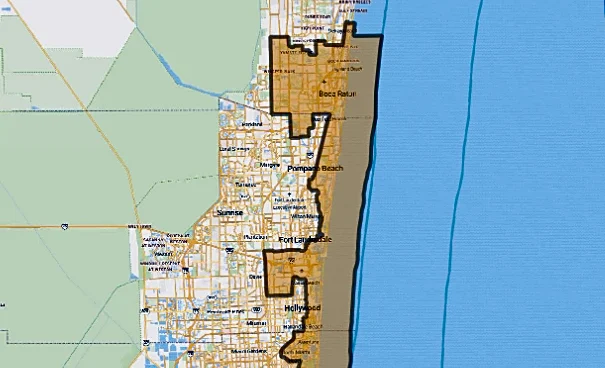
On the other hand, Trump’s handling of issues within Latin America – namely his arrest of former Venezuelan President Nicolás Maduro or his empty promises to free Cuba – is not top of mind for Latino voters. Rocha said foreign affairs aren’t even in the top 10 issues voters have brought up, unless it’s related to the Iran war’s effect on gas prices. The only district where Cuba and Venezuela are top of mind is Florida’s 27th Congressional District, currently represented by Republican María Elvira Salazar.
“When Trump started deporting Cubans, it was a step too far,” Rocha said.
All of this is good news for Democrats, who are trying to win back Congress and put a stop to Trump’s tyrannical reign. But Rocha warned that Latino voters are not simply going to become lifelong Democratic voters now.
“None of these people are voting for the Democrats because they love the Democrats,” he told me. “They’re voting for the Democrats because they’re so mad at Republicans. And that’s fine – we’re going to win a ton of elections with it – but that means we have a lot of work to do before ’28.”
Democrats have work to do for a chance of keeping Latino voters
While we have yet to see the results of the Democratic Party’s newfound outreach to Latino voters, it’s clear that the strategies Rocha described to me are setting the groundwork for a long-term relationship between them and the party. What matters now is showing Latinos that there is a place for them within the Democratic Party through a few easy steps.
The first is simple: Keep hiring Latinos. Listen to what they have to say about the best way to reach the community, whether that be through Spanish-language advertising or outreach programs that get to the issues they care about. When you hire people who look and sound like the voters you’re trying to reach, you will ultimately fare well with the demographic.
Next, keep focused on the economy. While immigration is an issue that still impacts Latinos, it is not the only thing the community cares about. They care about the fact that they can’t afford groceries, and that their wages are being stretched thin each month.
Finally, political parties must find ways to bring new voters into the fold. That will rely on a combination of messaging about the importance of voting, how to register to vote and information about Election Day. Because so many Latino Americans could be first-time voters, it’s imperative that political campaigns focus on helping these voters with any obstacles they might have along the way.
As for Republicans, I was unable to reach any conservative Latino consultants. None would return my messages. However, the GOP must consider how it will win these voters back if they lose them come Nov. 3.
Follow USA TODAY columnist Sara Pequeño on Bluesky: @sarapequeno.bsky.social
This article originally appeared on USA TODAY: Republicans are on the verge of losing the Latino vote | Opinion