





Spoiler alert! We're discussing major details about the ending of Elizabeth Holmes documentary "You Can See Everything" (in theaters now).
“You Can See Everything” has its eyes on Oscar season.
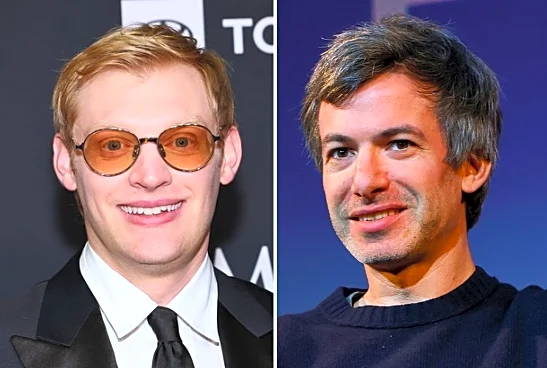
Coming off ecstatic reviews and eye-popping box office, the word-of-mouth phenomenon is heavily expected to become the first documentary ever nominated for the best picture Academy Award, according to Oscar pundits. More gold could be in its coffers, too, if filmmakers Nathan Fielder and Lance Oppenheim clinch best director nods for their gripping exploration of ex-Theranos CEO Elizabeth Holmes.
But if there’s one nomination we’re rooting for most of all, it’s best supporting actress.

If you’ve seen the film, you know that Holmes appears in roughly half of
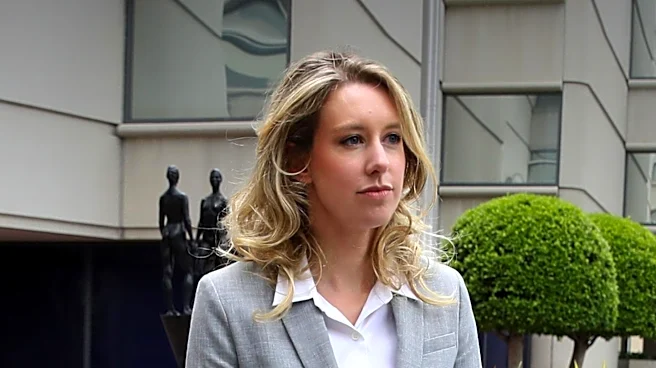
the three-hour documentary before she reports to prison in 2023, after being sentenced to 11 years behind bars on conspiracy and wire fraud charges. The movie then jumps forward to 2025, as Fielder starts to suspect that Holmes’ fiancé, Billy Evans, might have cut a deal to profit off the project without her knowledge.
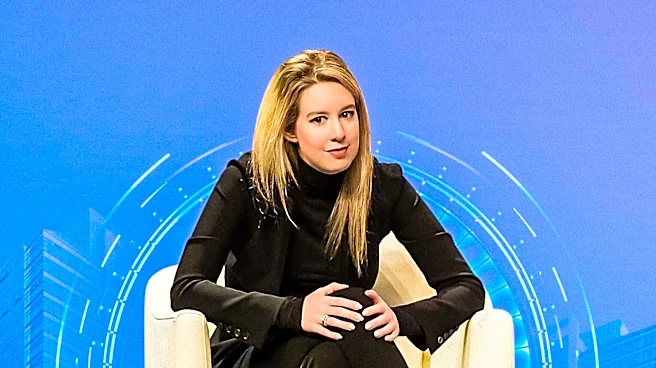
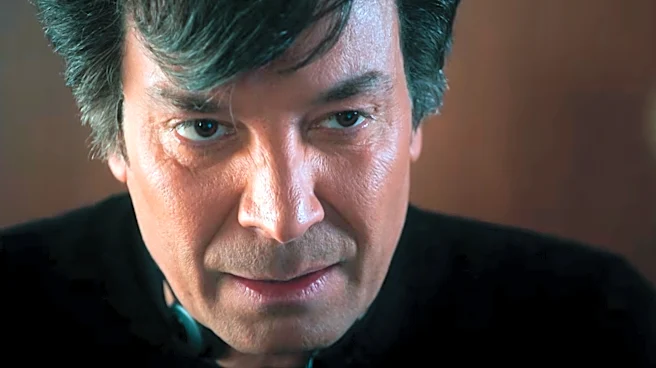
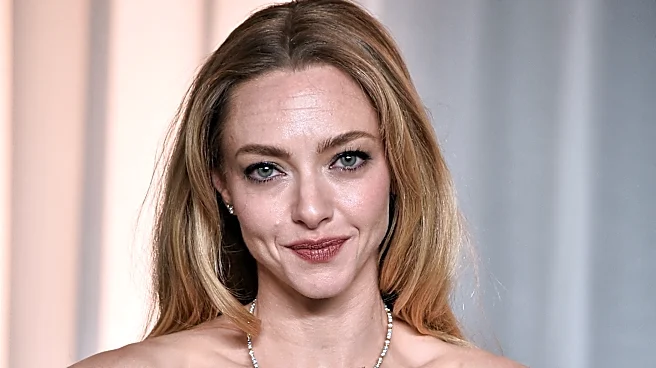
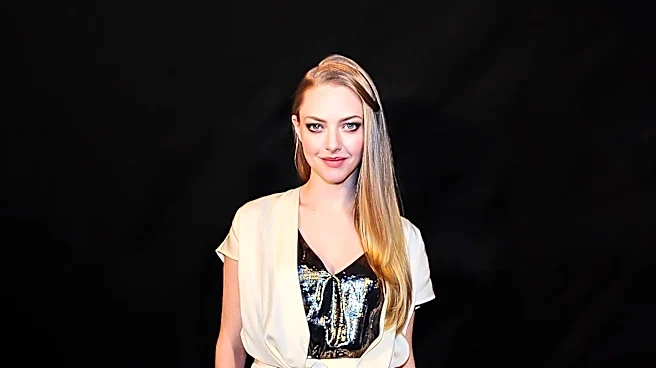
Enter Amanda Seyfried, who won a best actress Emmy in 2022 for her uncanny depiction of Holmes in Hulu miniseries “The Dropout.” With Holmes incarcerated, Fielder asks Seyfried to portray the fallen CEO in various re-enactments, which are set inside Holmes’ oceanfront rental home and a (fake) prison visiting area. She also becomes the Watson to Fielder’s Sherlock, giddily snooping for dirt on Evans and confronting him about his politics.
But this isn’t Seyfried merely playing the hits. In fact, she goes deeper into Holmes than she ever did on “The Dropout,” making an even more stunning transformation, all while reckoning with what it really means to be an actor and a storyteller.
'You Can See Everything' exposes the messiness of playing a real person

Seyfried is, effectively, the audience surrogate, as we watch in real time while she works through her complex feelings about Holmes. She says that she sympathizes with her as a mom and hates to see her “controlled” by Evans. Yet, in the same breath, Seyfried also refutes the narrative that Holmes is a “victim” and wonders if she’s just “crazy.”
Throughout the documentary, the “Mamma Mia!” actress gets defensive about her work on “The Dropout,” after Holmes allegedly tells Fielder that she’s been harassed because of the TV series. Seyfried argues that while “The Dropout” was exhaustively researched, it was also “fiction” at the end of the day.
“It’s not our job to teach people things,” Seyfried snaps. “If the show hadn’t been made, people would still have bullied her for what they think she did.”

But for all the ways she claims a moral high ground, Seyfried also crumbles when she’s cornered by the real person. One evening, Fielder and Seyfried visit Evans at his house when he receives an impromptu phone call from Holmes.
“You have a beautiful family! Sorry, you’re wonderful!”Seyfried tells Holmes on speaker phone, stammering as she shrinks into the couch with a glass of wine. It’s the realest – and most relatable – moment in the entire movie.
Amanda Seyfried gives the performance of the year as Elizabeth Holmes

In between her on-screen conversations with Fielder, Seyfried is also gradually fine-tuning her performance as Holmes: subtly calibrating her vigorous head nods, crooked smile, gravelly voice and prolonged eye contact. This isn’t the feverish, red-lipped mogul she played on “The Dropout,” but a softer – yet still unsettling – version of Holmes who dons chunky sweaters and tousled hair.
There’s a meta through line of Seyfried desperately wanting to inhabit Holmes. Fielder eggs her on, telling her that she may be talented, but she’ll never come close to the real person.
“No, I know,” Seyfried says excitedly. “But guess how many people believed that was her when I played her?”
It all culminates in Seyfried’s mesmerizing final scene, as she completely loses herself in her portrayal of Holmes. With tear-filled eyes (and noticeably chapped lips), she tells Fielder that while no one may understand her connection with Evans, their love is authentic. It’s a jaw-dropping sequence in which Seyfried has successfully erased the line between actor and character, believably capturing Holmes’ every breath and mannerism.
It’s a tricky performance that operates on myriad levels, and it’s difficult to entirely articulate what Seyfried manages to pull off. And throughout awards season, it’ll be fascinating to see whether voters are willing to take the leap and reward such adventurous work, or whether too many people will feel that she is merely playing herself.
But over the last decade in particular, Seyfried has continually proven that she’s one of the most interesting actors in Hollywood, with her Oscar-nominated showing in David Fincher’s “Mank,” as well as provocative, go-for-broke turns in “First Reformed,” “The Housemaid” and “The Testament of Ann Lee.”
Plenty of actors, too, will identify with Seyfried: that insatiable desire to immerse oneself in a character, and intelligently grapple with the real-world impact that art can have.
To reward Seyfried is to acknowledge the very ethos of the documentary, which ends with Holmes and Evans as unknowable as ever. Yes, life is a performance and we’re all creating characters. But with her tangled contradictions and genuine curiosity, Seyfried is the only one who truly lets us see everything.
This article originally appeared on USA TODAY: 'You Can See Everything’ can (and should) win an acting Oscar