









I’m sitting here, still collapsed, sort of like a marathon runner you might see at the end of the race, after the finish line.
The difference is that the marathon I ran was that of helping care for both my aging parents in the last years of their lives.
My mother passed in 2017, and her journey with dementia was filled with immense challenges, lessons and forgiveness. She had left the family when my siblings were young, and my father and I raised my brothers and sisters.
When her circumstances changed and her world got smaller, it fell upon me to step in and help provide support, guidance and an outreached hand (which, believe me, had previously been tightly closed in a fist).

My dad, our beloved patriarch, was on the opposite end of that spectrum,
as it was a blessing and an honor (albeit an exhausting blessing and honor) to help him, as he had done so much for all of his children, including me. Giving back was the least I could do. And once again, as the oldest daughter and co-captain in raising my siblings, it was the absolute right thing to do.
My caregiving journey was a solitary one
When you’re on that caregiving journey with your parents, you are wrapped up in their cognitive and/or health struggles and endless doctors’ appointments. The repetitive hold music from the different doctors’ offices, insurance companies and waiting rooms was enough to put me in an anger-filled trance − or whatever the opposite of meditation was. I think a playlist of the various repetitive hold music cues could possibly be created and then tested to see what it does to people’s blood pressure.
It was this two-pronged journey of caring for both my parents, who each lived over an hour away, that brought me, as a documentary filmmaker, to spend several years filming a documentary about adult children caring for their aging parents − talking to families who were on this same journey; hoping to create something that would help people feel less alone.

The journey truly is a solitary one. And I return to that visual of myself as the marathon runner, after the finish line, collapsed, exhausted and grieving. My father passed in 2025, after moving in with myself and my wife, and we are still in the midst of taking care of his final affairs and wishes. We just had the one-year anniversary of his passing, where we gathered with our closest family at the cemetery, dedicated his headstone and celebrated him again.
If I can share one thing that I learned, it was patience. Patience with the process, with your parents and with yourself. So many things will go wrong or be challenging and you will feel all alone in it. But remember, you’re not alone. Reach out to friends or find a local support group for adult children caring for their parents, where you can talk about what you’re going through. Don’t let it bubble up inside. It will help you find more patience and kindness for the process, for yourself and for your parent.
Please know: They never wanted things to be this way either, and they are probably scared or embarrassed or both. And once they’re gone, and all that stress and frustration and time commitment goes away, you’ll be left with your memories, and part of those memories will be of how you traveled this journey with them, the best that you could.
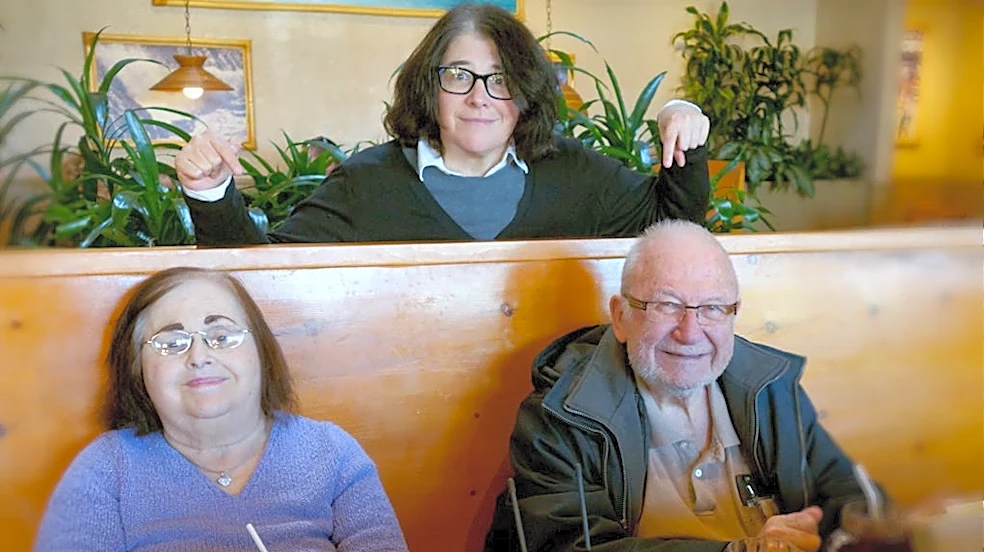
Michelle Boyaner is a writer, director and producer based in Los Angeles. Her documentary, "It's Not A Burden, The Humor and Heartache of Raising Elderly Parents," was released in 2021.
This article originally appeared on USA TODAY: I'm an eldest daughter. A life of caregiving left me collapsed, exhausted and grieving