



The American Israel Public Affairs Committee, or AIPAC, one of the most powerful lobbying groups in the U.S., is bowing out of making candidate endorsements and direct contributions.
In an Oct. 21 letter, signed by the organization's leaders, AIPAC said it "achieved important victories" and "suffered hard-fought losses" during the 2026 midterms cycle. But it described this year as "one of the most challenging environments in recent memory."
"To win the fight for the future of the country and the U.S.-Israel alliance, we must build a more strategic, consequential and nimble political operation," said the letter, which was first reported by NPR.
"Endorsements, direct PAC contributions and earmarking will no longer be part of our approach, so we can
expand individual giving and utilize new tools to help our friends win."
AIPAC will instead encourage and organize its members to give directly to favored candidates and share its treasure chest with other liked-minded organizations, according to the group's leaders.
The pro-Israel group, founded in 1954, has faced mounting criticism from both progressive and conservative factions over its support for the foreign country, which has seen its support plummet among U.S. voters.
Opposition to AIPAC has intensified in the years since the U.S. ally launched a war in Gaza responding to the Oct. 7, 2023, terror attacks against Israel. About 60% of U.S. adults said they hold an unfavorable view of Israel, according to a Pew Research Center survey released in April, up from 53% last year.
Many candidates endorsed by AIPAC during the 2026 midterms have faced stiff opposition, with some rejecting any money from the organization.
The group has raised about $233 million during this cycle, according to federal campaign finance records.
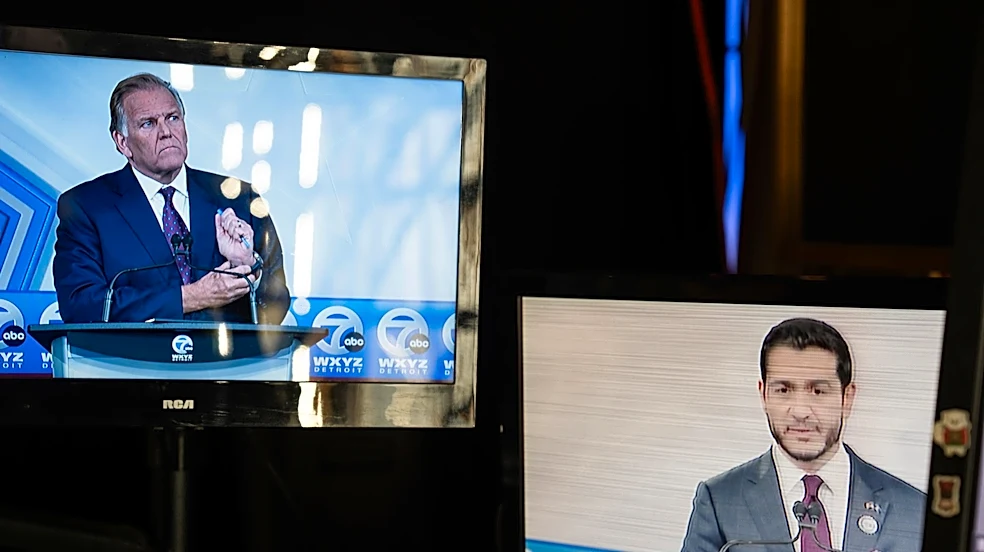
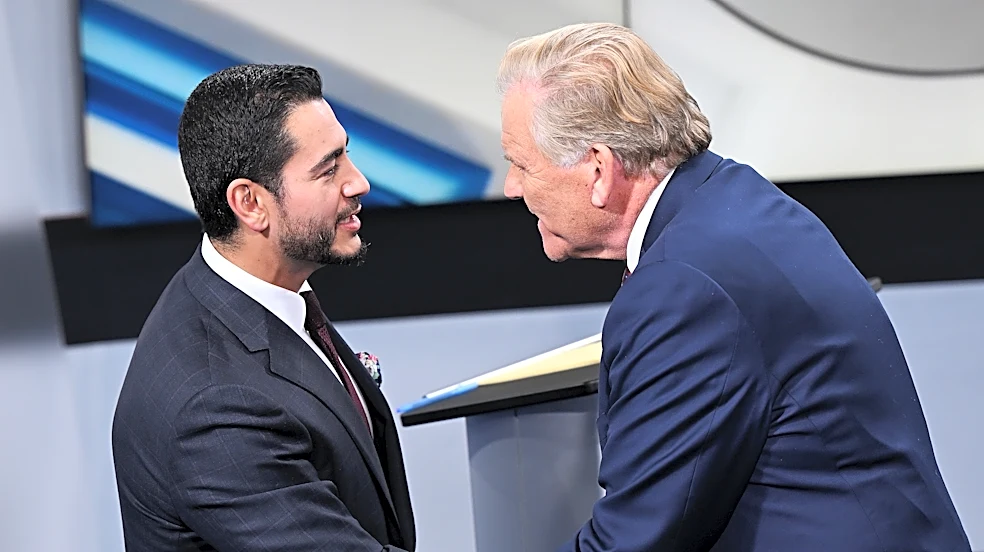
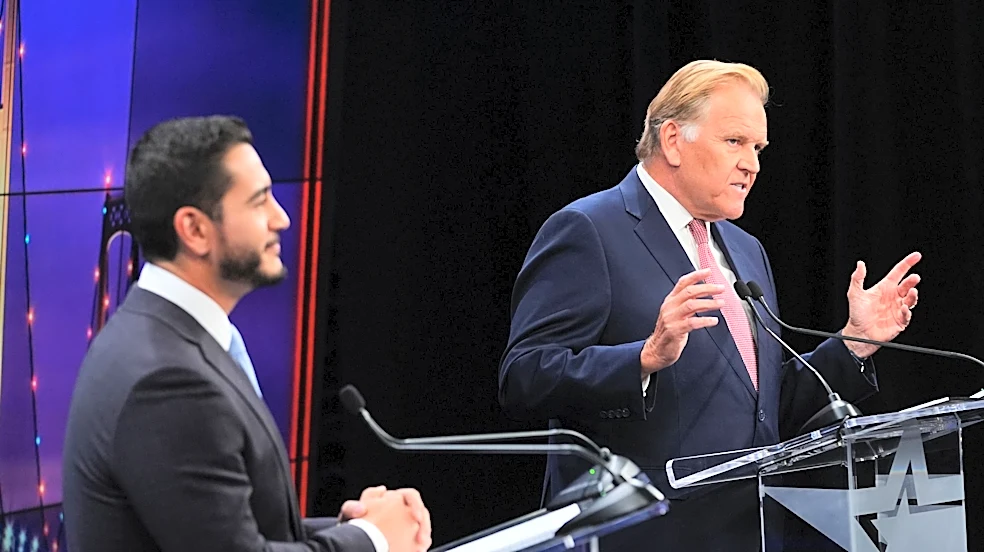
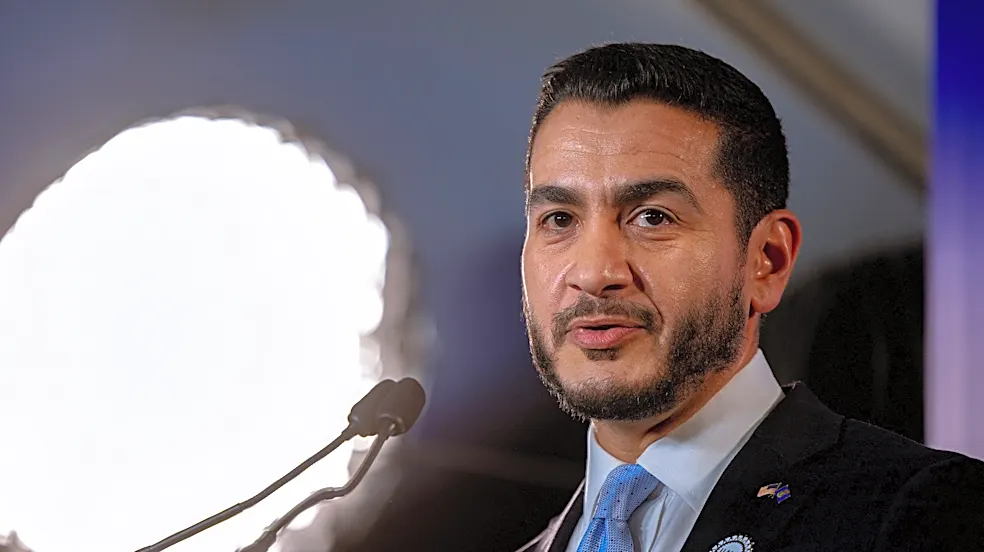
That money has been doled out for allies and against opponents, most notably $33 million toward defeating Democrat Abdul El-Sayed during his primary battle against Rep. Haley Stevens in Michigan this year.

Sen. Bernie Sanders called out AIPAC on Oct. 22 over donations supporting El-Sayed's general election rival, Republican Mike Rogers, saying the group is "spending as much as $9 million" in that contest.
"AIPAC is why we’re at war in Iran," Sanders said in a post on X, formerly known as Twitter. "AIPAC is why the U.S. has supported genocide in Gaza. We must say NO to AIPAC."
In response, AIPAC accused Sanders of "obsessive scapegoating," and mocked his suggestion that the group is responsible for those conflicts.
"AIPAC is why your fantasy football team stinks," the group's Oct. 22 post said. "AIPAC is why the weather is bad. AIPAC is why you need an app to park."
A new group called American Priorities, which was started this year to support anti-AIPAC candidates, said the reason for the retreat is that an endorsement from the pro-Israel group has become a liability. It argues that shifting away from endorsements and other direct contributions allows AIPAC to be less transparent.
"This retreat does not change the odds American Priorities is up against, but it is a direct response to the success of our efforts in pushing Democrats to listen to their constituents," Greg Krieg, the group's spokesman, said in a statement to USA TODAY.
"Until American foreign policy honestly reflects the will of the voters, and the United States’ role in genocide is severed, (we are) committed to fighting, spending, and making sure voters know exactly who is paying for their representatives' silence."
This article originally appeared on USA TODAY: AIPAC is quitting endorsements, donations to candidates