
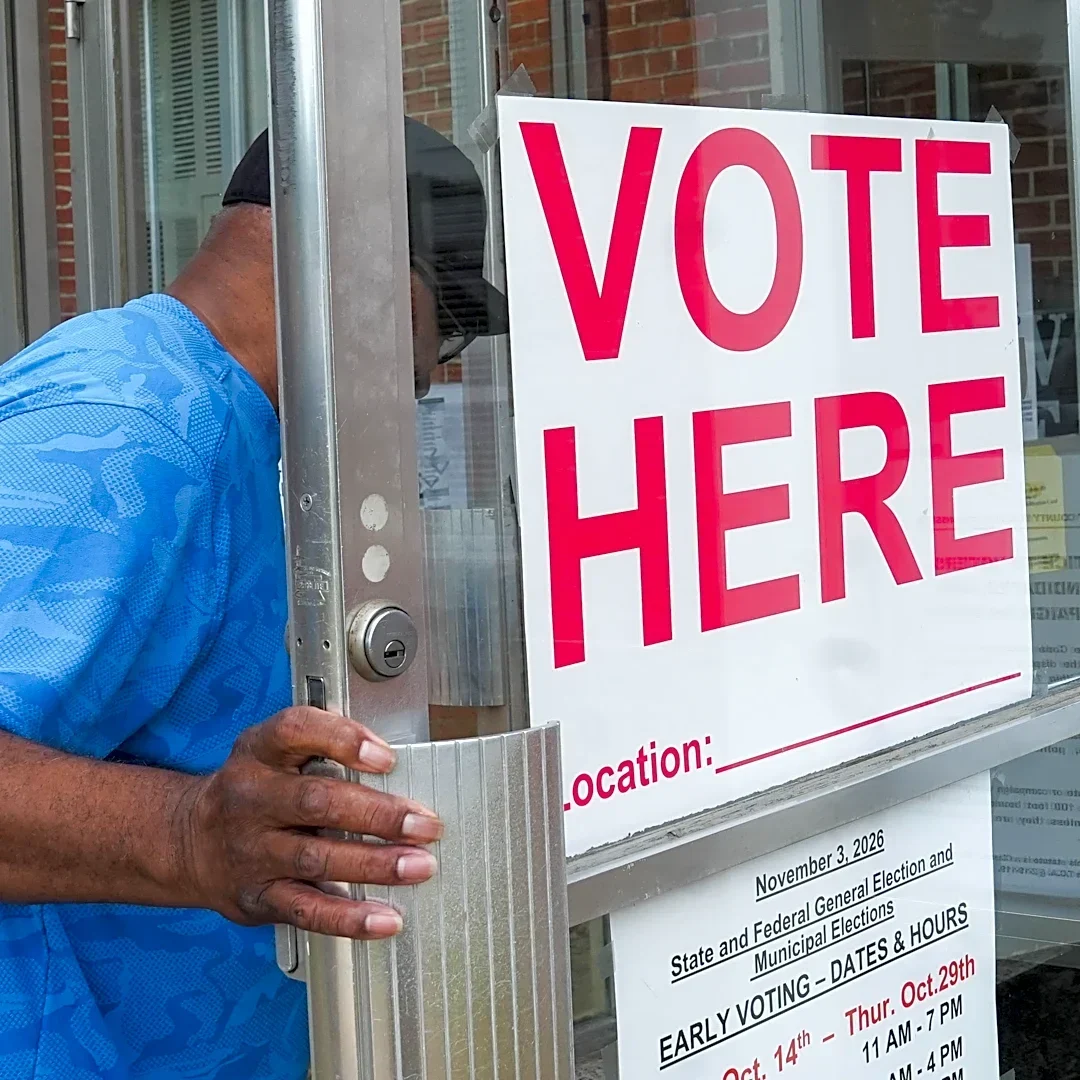
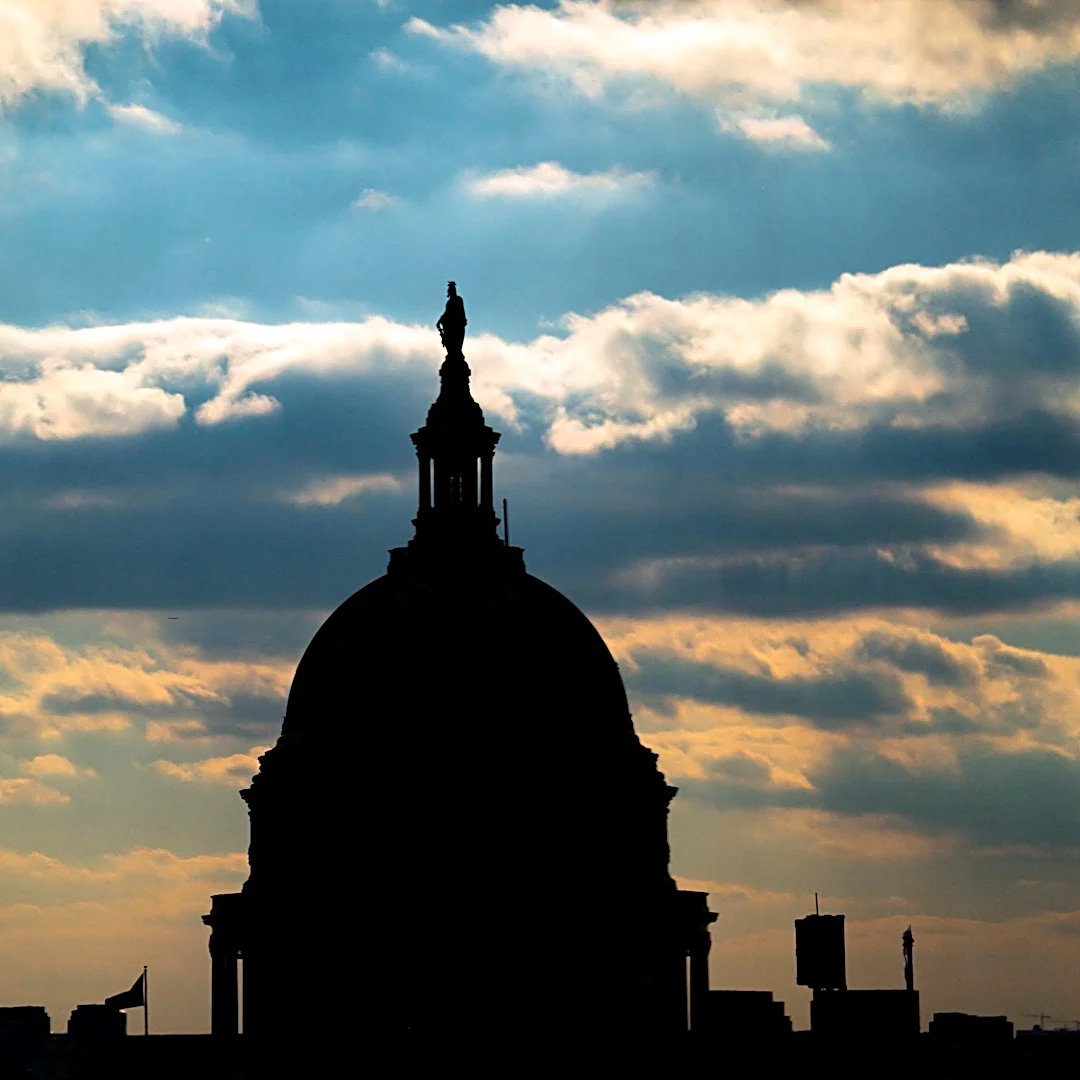





WASHINGTON – With polls showing Democrats on the verge of winning a majority in the House and perhaps the Senate, congressional leaders from both parties are starting to map out their agenda after the Nov. 3 midterm elections.
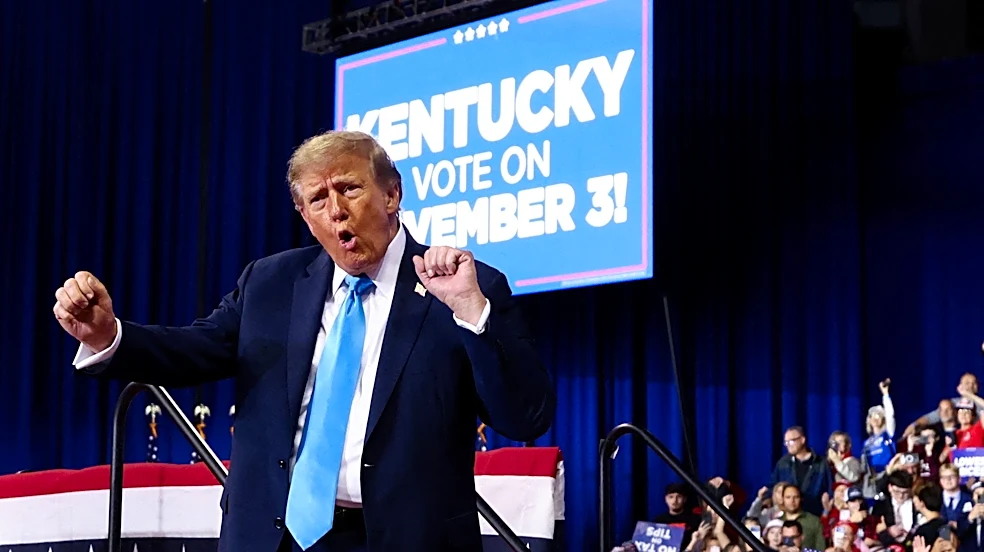
Democrats are promising to focus on affordability and holding President Donald Trump and his administration accountable for alleged corruption and abuse of power, while Republicans are vowing to continue pursuing Trump priorities like border security and domestic fossil fuel production during his final two years in office.
But even if Democrats win back both chambers, they will quickly run into a pair of barriers – the Senate filibuster and Trump’s veto pen – that will make it hard for them to enact many of their plans.
Neither party has released a detailed agenda for the next two years, but their leaders have given hints about what Americans should expect.
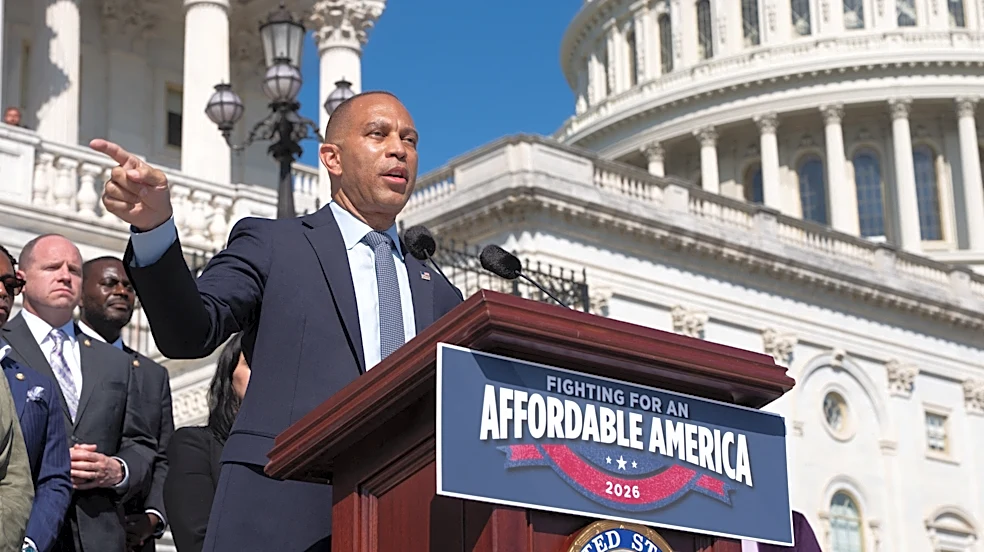
House Democrats plan to focus on driving down the high cost of living, lowering the price of groceries, gas and housing, and fighting to make healthcare affordable for every American, House Democratic Leader Hakeem Jeffries of New York said in an interview with USA TODAY earlier this month.
"We are explicitly promising to fight for an affordable America, and we will have a responsibility to do everything in our power to make that happen," said Jeffries, who is almost certain to become House speaker if Democrats win a majority.
House Speaker Mike Johnson, a Louisiana Republican, has suggested voters could expect more of the same from the GOP if it defies the odds and hangs onto its slim majority after November.
"What we would do in the next two years is exactly what we have been doing already, and that is putting the conditions in place for a strong America again," Johnson said during a recent interview on CNBC, pointing to the party’s push for border security, energy dominance and pro-growth policies.
In the Senate, Democrats face tougher odds in the November midterms because they need to flip at least four seats, including at least three in states carried by Trump in 2024. But polls suggest their campaign to win back the majority is within reach, thanks to leads in North Carolina, Alaska, Ohio, and even surprising places such as Texas and Kansas.
Democratic Senate Leader Chuck Schumerof New York told reporters recently that, over the next two years, Democrats would focus on affordability and keeping Trump and his administration in check.
"We’re going to do everything we can to lower costs," Schumer said. "You’ve seen some of the things Trump has done that has raised costs. We’re going to do everything we can to clamp down on this horrible corruption and to end the chaos."
It won’t be easy.
Democrats will face Senate filibuster, Trump veto
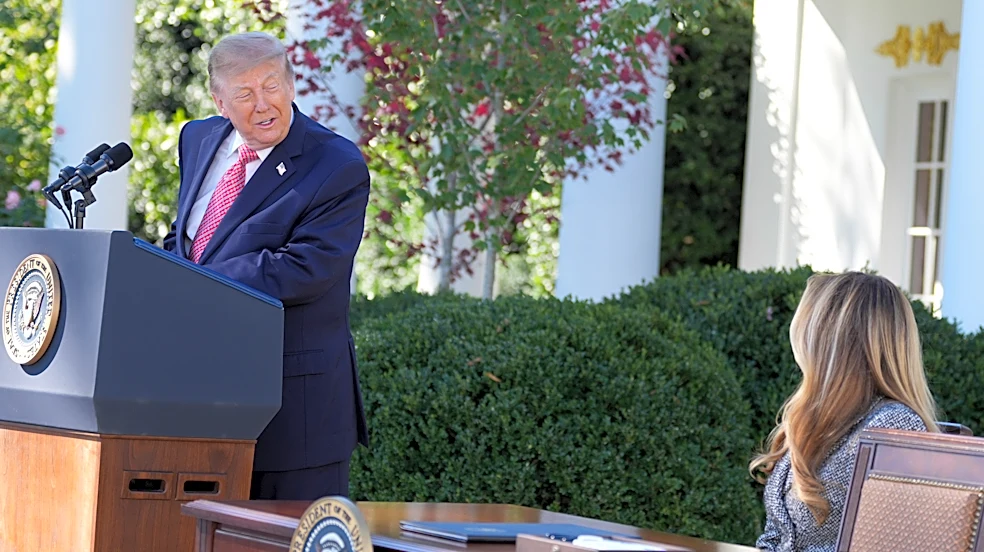
Trump, a Republican, has two more years in office, meaning Democratic victories in the House and Senate would usher in a new era of divided government. Trump has said he would use his veto power to block many Democratic priorities and keep them from becoming law.
Democrats would be powerless to stop him. Overriding a veto requires a two-thirds majority in both chambers (290 votes in the House if all members are voting, 67 in the Senate). Even if there’s a blue wave in the midterms, Democrats are unlikely to come close to those numbers.
Just getting legislation through the Senate would be a challenge. Republicans could stall or even kill Democratic bills with a filibuster, a parliamentary maneuver allowing any member to delay or prevent a vote on a bill. Sixty votes are needed to overcome a filibuster, meaning Democrats would need help from a few Republicans to move forward – an unlikely prospect given the hyperpartisan climate in Washington.
Given those obstacles, "I don’t think Democrats are going to accomplish much legislatively," said Ron Bonjean, a political strategist with close ties to Republicans on Capitol Hill.

Democrats have pledged to end the eight-month-old war in Iran. But there's not a lot they can do to ensure it happens.
They could try to limit or cut off funding for the conflict by inserting provisions into must-pass bills, such as the Defense Department's budget, that would bar federal funds from being used in operations in Iran. Trump would probably veto such legislation, setting up a confrontation with Congress that could lead to another government shutdown – something that carries political risks for both parties.
Another option would be for Democrats to try to force a vote on the War Powers Resolution, which would restrict Trump’s ability to launch or expand military operations without congressional approval. House Democrats and a handful of Republicans have joined forces to pass the resolution three times since June. The Senate even passed the House-approved measure in June, but the Trump administration ignored it amid questions whether it carries the force of law.
Democratic strategist Josh Schwerin said that since Trump probably won’t allow most of their agenda to become law, Democrats should spend the next two years "blocking him from doing more harm and showing voters that Democrats have real answers to the country’s biggest problems."

What can Democrats do?
One way Democrats could rein in Trump is by blocking his appointees, which require Senate approval, and by launching investigations into Trump, his cabinet and his other allies.
Democrats have accused Trump and his allies of enriching themselves while in office, and Jeffries has vowed repeatedly to "hold the crooks accountable."
In the House, those accountability efforts would be led by Rep. Jamie Raskinof Maryland, the top Democrat on the House Judiciary Committee, and Rep. Robert Garcia of California, the top Democrat on the House Oversight Committee.
Raskin has already tangled with the Trump administration over tariffs, presidential pardons, and other issues. Garcia has pushed for the release of the files on convicted sex offender Jeffrey Epsteinand has accused Immigration and Customs Enforcement and the Department of Homeland Security of misconduct and abuses against U.S. citizens.
Corporate donors to Trump's ballroom and participants in business deals brokered by Trump family members are expected to be among the first targets of investigations if Democrats take control of the House or Senate in the midterm elections, multiple Capitol Hill staffers, lawmakers and attorneys recently told Reuters.
Control of either chamber would give Democrats subpoena power and funding to bolster their investigative staff, enabling them to launch probes as early as February and potentially triggering lengthy legal battles that would place the Trump family business empire in the spotlight.
The investigations could dominate the second half of Trump's term after two years of dealmaking in which the Trump family expanded into crypto, drones, artificial intelligence and prediction markets, while the president's personal wealth grew by an estimated $2.2 billion.
Trump, who was impeached twice but acquitted by the Senate during his first term, could face other impeachment attempts if Democrats win the majority in either chamber. Top Democratic leaders have tried to tamp down such speculation, saying impeachment is not a priority for them. Jeffries told reporters in September that Democrats had not made any decisions about whether to pursue impeachment if they win the majority, but he refused to rule it out.
Democrats also could push to impeach members of Trump's cabinet, such as Defense Secretary Pete Hegseth, who has faced criticism over the war in Iran and his decision to fire or sideline dozens of senior military officials, or Health and Human Services Secretary Robert F. Kennedy Jr., who has come under fire over his opposition to vaccines and for pushing out top health officials at agencies such as the Centers for Disease Control and Prevention.
'You make deals'
Will anything get done in the next two years?
Maybe. One area with bipartisan potential, Schwerin said, is artificial intelligence safety paired with guardrails against data centers – "more transparency, tech companies paying for grid and infrastructure upgrades, and tough clean air and water standards."
Establishing AI rules of the road has been a priority for years for the current Senate majority leader, Republican John Thune of South Dakota. Thune has worked for months with his Republican and Democratic colleagues to find common ground on the issue.
Trump has suggested he could work with Democrats on some issues.
"You know they’re going to want some stuff, and we’ll get – you make deals," Trump told Fox News’ Laura Ingraham in an interview Sept. 10.
Contributing: Reuters
Michael Collins writes about the intersection of politics and culture. A veteran reporter, he has covered the White House and Congress. Follow him on X: @mcollinsNEWS
This article originally appeared on USA TODAY: What a Democratic Congress would mean, in spite of Trump's veto pen