




For months, California's mail-in ballots have been a focal point of criticism from the federal government and have fueled arguments about the need for change, even as state leaders have defended the safety and legitimacy of the state's results.
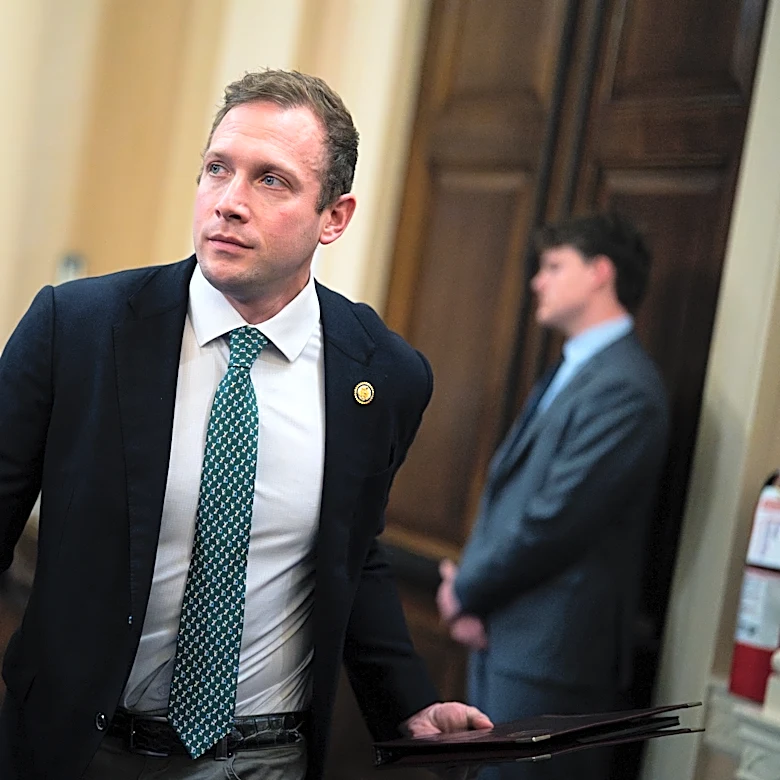
California Attorney General Rob Bonta reaffirmed his office's pledge to defend residents' right to vote, even after the Trump administration asked the Supreme Court to bypass a ruling regarding his executive order, which halted his administration from implementing new rules on mail-in ballots for the upcoming midterm election.
On July 27, Trump's administration filed an emergency appeal after a lower court ruled to block the administration from creating a federal list of eligible voters via an executive
order signed by Trump in March.
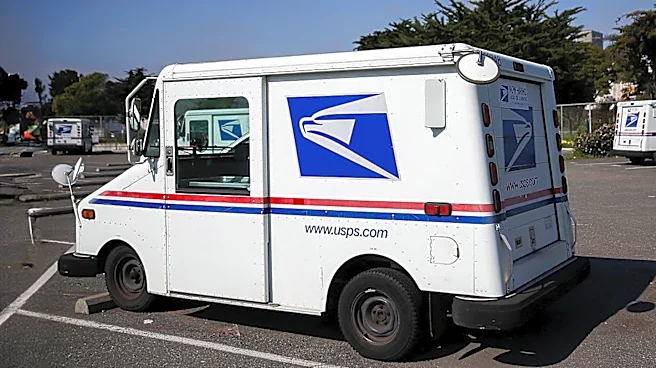
This request comes a day after California Attorney General Rob Bonta and others on the lawsuit celebrated the federal court's decision to maintain a hold on President Donald Trump's executive order, which would have required the Department of Homeland Security to create state-by-state citizen lists of eligible voters, which the Postal Service would have used to determine whether voters should be allowed to vote by mail.
"The Trump Administration does not have authority under the U.S. Constitution to dictate how states administer elections,” Bonta said on July 26. “This decision ensures key provisions of President Trump's second elections-related Executive Order remain blocked for the upcoming midterm elections in the plaintiff States. We will continue fighting to protect the right to vote and defend the rule of law.”
However, in the appeal, the Department of Justice argues that the injunction was an "indefensible" decision, as it prevents federal agents from implementing the president's executive order and that the lower court "preemptively decided that whatever the agencies may choose to do will necessarily be unlawful."
"The district court correctly blocked key provisions of President Trump's second elections-related Executive Order, and the Court of Appeals properly declined, in a well-reasoned order, to grant the federal government’s request to pause that injunction," a spokesperson for the Attorney General's office said in an email to USA TODAY.
"We look forward to filing our response to the government's application in the U.S. Supreme Court by the deadline set by Justice Jackson."
The Supreme Court asked the states challenging the order to respond to the administration's appeal by Aug. 3.
USA TODAY reached out to California Governor Gavin Newsom's office for comment but did not hear back by the time of publication.
Critics point to California's slow ballot processing method
As part of its push to reform the voting system in the United States, the Trump administration cited California as a reason the country needed to place restrictions on mail-in ballots.
On several occasions, Trump has pointed to California's system of counting mail-in ballots on and after Election Day, which took days before voters learned the official results. These delays led Trump to criticize the state's election and make false, unproven accusations, as a leading Republican candidate in the Los Angeles mayoral race fell behind in votes days after the election, ultimately resulting in him falling out of the upcoming general election.
The criticism doesn't end at the federal government, as Republican gubernatorial candidate Steve Hilton criticized the state's system and called it “absolute farce" shortly after the state's primary election.
Since then, Hilton has made it a key part of his campaign after expressing his dismay at the state's election system and urging voters to consider supporting voter ID laws and reforms.
"For years now, the estimates from her in California is that you got millions of wrong names on the voter rolls," Hilton said in an interview with CNN on July 23.
He noted that some of these names can stem from people who have moved out of the state or changed addresses, but emphasized that the state ought to address this issue if it wanted to reassure voters regarding the legitimacy of the election.
That being said, California Gov. Gavin Newsom has reaffirmed in the past that his administration has prioritized the safety of California's election process and residents' right to vote in these elections.
"California will not allow our elections to be commandeered by political intimidation, abuse of power, or chaotic interference from extremists chasing conspiracy theories. This law protects voters, election workers, and the integrity of the democratic process from election-deniers who want to undermine democracy," Newsom said in May after signing SB 73.
Since entering the Governor's seat in 2021, Newsom has signed 10 bills into law that were aimed at safeguarding the elections.
California voting rights organization recommends improvements to the state’s election results reporting
Election experts note that California's lengthy vote count is tied in part to policies designed to maximize voter access, including universal vote-by-mail, ballot-curing opportunities and Election Day voter registration. The challenge, they say, is finding ways to speed results without weakening those protections.
The nonpartisan California Voter Foundation recently released recommendations on how the state can deliver faster election results while preserving widespread vote-by-mail access. Its recommendations included:
- Shorter signature-fix deadlines could speed final results: One of the group's biggest proposals is reducing the time voters have to correct, or "cure," a missing or mismatched ballot signature from 22 days to 14 days after Election Day. Supporters say the change could help counties certify results sooner while still giving voters time to fix problems.
- More funding and technology could help counties count ballots faster: The foundation also calls for increased state funding for election workers, equipment and facilities, along with upgrades to California's statewide voter registration system, VoteCal. Election officials say additional resources could reduce bottlenecks in ballot processing.
- Earlier ballot returns could produce quicker election-night totals: California voters can help shorten the count by returning mail ballots earlier or voting in person, according to the report. Ballots returned on or after Election Day typically require more processing and signature verification, which can delay results.
- Better reporting could reduce confusion about outstanding ballots: The group recommends clearer public reporting on how many ballots remain uncounted and where they are in the process. Advocates argue that more transparency would make it easier for voters, candidates and news organizations to understand why some races take days or weeks to decide.
This article originally appeared on USA TODAY: California AG to take on Trump's appeal to Supreme Court voting rules