








As the 2026 midterm elections near, recent polling shows a surge in enthusiasm among young voters, who experts saycould turn out to vote in record numbers and tip key races.
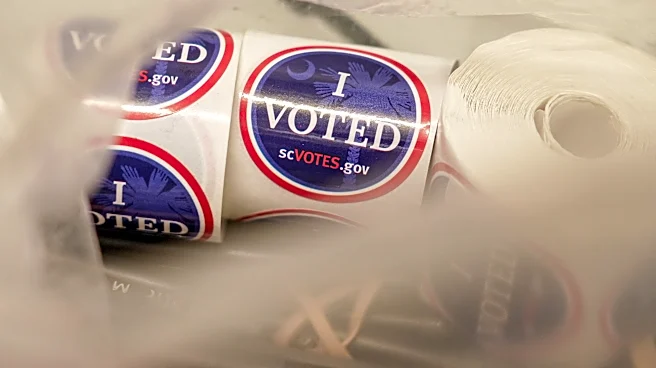
In a national poll, published Sept. 24 by Emerson College, more than 95% of voters age 18-29 said they were either "very excited" or "somewhat excited" to cast a ballot this November.
Another survey, fielded earlier this year by Tufts University’s Center for Information & Research on Civic Learning and Engagement, found 56% of youth were "extremely likely" to vote.
A lot can change before the election, and there’s no guarantee that everyone who plans to vote will. However, if youth voter turnout reaches anywhere close to those projections, it would far exceed past midterm election cycles.
In 2018, during President Donald Trump’s first term, a record 28% of young people ages 18-29 cast a ballot, according to Tufts’ CIRCLE estimates.
"They’re interested in the election. They understand the importance," said Alberto Medina, a spokesperson for Tufts’ CIRCLE. "Does that mean that we're going to see 55% youth turnout? Probably not to that extent, but it does show that the potential is there."
How youth voters could impact key races
A handful of close battleground races this year could determine which party controls Congress. Young voters could play a decisive role in some of those contests, including in critical Michigan and Texas Senate races, a Tufts’ CIRCLE analysis found.
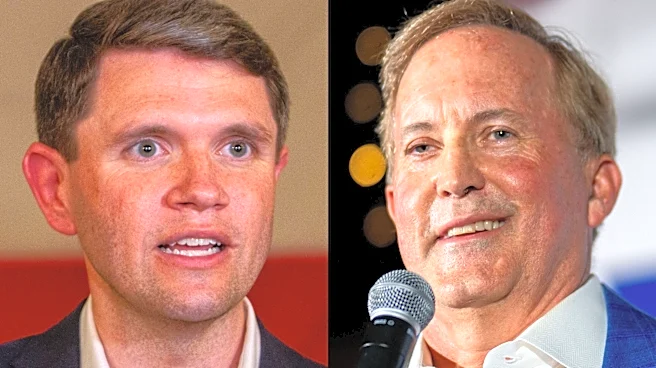
A recent Marist poll showed Democrat James Talarico narrowly leading Republican Ken Paxton among registered voters for the Texas Senate seat, 50%-44%, just outside the poll’s 4.4% margin of error window.
Among young voters, Talarico has a whopping 74% support, more than in any other age group. A majority of young voters in that poll said most of the people they knew planned on voting in the November election.
In Michigan, where Democrat Abdul El-Sayed appears to have a slight edge over Republican Mike Rogers in the state's Senate race, young people appear poised to turn out in droves. A recent New York Times/Siena poll found 82% of likely voters age 18-29 were either "almost certain" or "very likely" to cast a ballot.

Voters in that age bloc overwhelmingly expressed support for El-Sayed over Rogers.
The wild card youth voters
During the 2024 presidential election, fewer young people voted than in previous election cycles, and many expressed political disillusionments. Young voters, and young men in particular, also shifted to the right in that election.
Heading into the midterms, pundits are watching young men and independents closely.
A Cygna poll published Sept. 24 found likely young male voters aged 18-30 were more inclined to support Democrats over Republicans on a generic ballot for the midterm elections. About 52% of those surveyed supported the Democratic option, compared to 42% who selected the Republican.
The results are in line with other polls over the last year showing cooling support for Republicans among young men and low-propensity voters.
A mere 38% of self-identifying young independent voters said they planned to vote this year, compared to compared to 68% of Democrats and 49% of Republicans in the Tufts’ CIRCLE survey published earlier this year.
Few of those young independents, about 4%, said they’d become more conservative, while about 15% said they'd moved more to the left.
"Those youths are harder to reach. They're more disengaged and disaffected. So, that's definitely one of the big stories we're going to be tracking," Medina said.
This article originally appeared on USA TODAY: Record youth turnout? How young voters could impact midterm elections