




Military housing in Washington has traditionally been home to generals and other senior officers. Now, some of President Donald Trump’s top civilian officials are moving in, too.
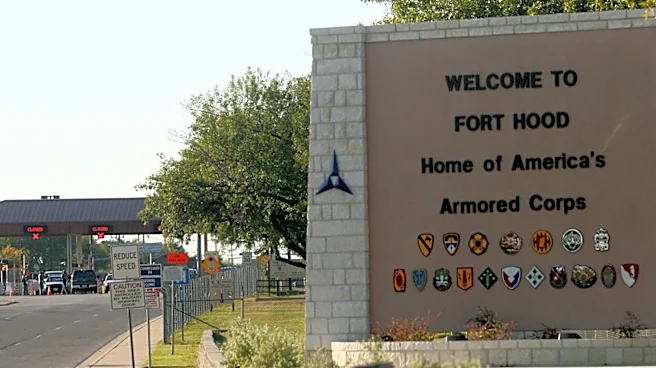
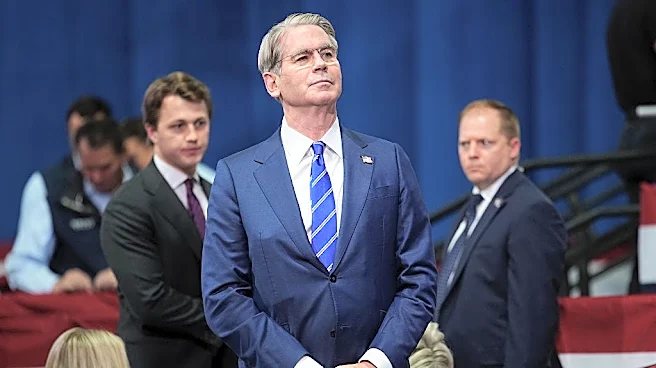
Treasury Secretary Scott Bessent told CNBC he is living on a U.S. military base after receiving unspecified threats from Iran earlier this month.
“If the Iranians are after me, it means that they are being squeezed. We’re going to continue squeezing them,” Bessent said Nov. 20.
He’s not alone. Several current and former Trump officials have lived on military installations, with threats, harassment or other security concerns factoring into some of the moves.
Here’s who has lived in military housing, why and what the arrangements cost.
base after Iranian threats
Who else lives on a military base?
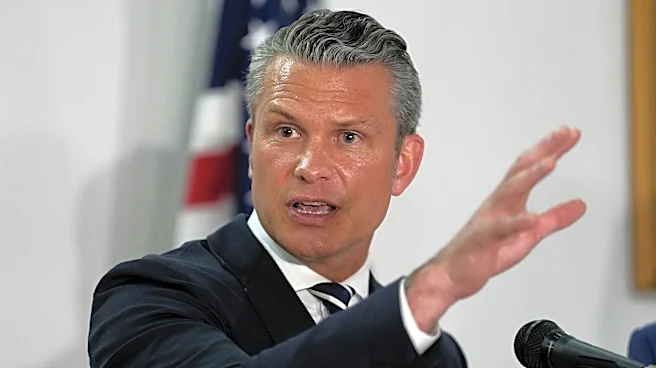
Secretary of State Marco Rubio said on a podcast earlier this year that he and Defense Secretary Pete Hegseth are neighbors. Both live at Fort Lesley J. McNair, an Army installation in Washington, D.C., according to The Washington Post.
White House chief of staff Stephen Miller and his family moved into military housing in 2025 after leaving their Virginia home. The White House said the family faced an “elaborate, well-documented stalking, doxing, and threat campaign” targeting their residence.
Attorney General Todd Blanche also was recently relocated to a military base over safety concerns, CNN reported.
Former Attorney General Pam Bondi lived on a military base last year, according to CNN. Former Homeland Security Secretary Kristi Noem lived at Joint Base Anacostia-Bolling toward the end of her tenure, USA TODAY Network member Nashville Tennessean previously reported.
Why are Trump officials living on military bases?
Security concerns have factored into several of the moves.
Bessent has cited threats from Iran, while the White House said threats and harassment prompted the Miller family’s relocation. The Atlantic previously reported that Miller moved into military housing in 2025 after facing harassment at his Virginia home.
Military installations offer controlled access and existing base security. But civilian officials’ use of military housing has also raised questions about housing traditionally designated for senior military personnel.

What do officials pay for military housing?
Civilian officials are required to pay rent for military housing, though rates vary by residence and the rules governing the arrangement.
The arrangements have drawn congressional scrutiny. The Army was preparing to spend $137,297 on repairs and upgrades to Pete Hegseth’s Fort McNair residence, CNN reported.
The Pentagon must report to the House Armed Services Committee on political appointees living in military housing, including the legal authority for the arrangements and rental costs. Rep. George Whitesides, D-Calif., who pushed for the oversight, has also raised questions about whether political appointees are paying fair-market rates.
Have Cabinet officials lived on military bases before?
Yes, but the practice has historically been unusual.
Robert Gates became the first defense secretary to live in military housing while serving under Presidents George W. Bush and Barack Obama. The Pentagon argued in 2008 that using existing base security could save taxpayers money compared with providing around-the-clock security at a private residence.
Jim Mattis, Trump’s first-term defense secretary and Mike Pompeo, first-term secretary of state, later lived in military housing, according to The New York Times.
USA TODAY's Michael Loria contributed to this report; Reuters
Fernando Cervantes Jr. is a trending news reporter for USA TODAY. Reach him at fernando.cervantes@usatodayco.com and follow him on X @fern_cerv_.
This article originally appeared on USA TODAY: More Trump officials are calling military bases home