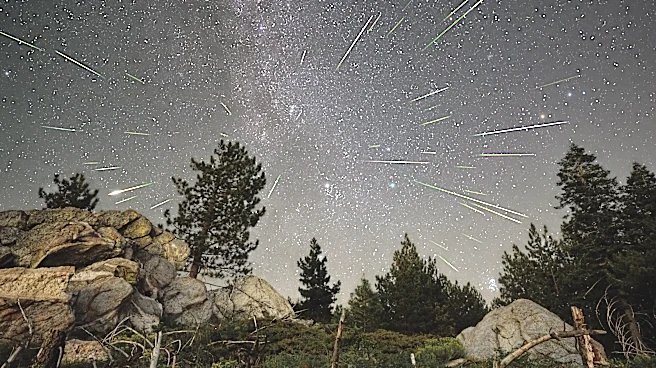




According to NASA, the Perseids, one of the most anticipated meteor showers of the year, are set to peak soon, giving skywatchers an excellent opportunity to enjoy the display, if weather conditions are favorable.
The shower is predicted to peak on the nights of Aug. 12-13, according to the American Meteor Society. They are a favorite among skywatchers because they occur during the warm August nights enjoyed across much of the Northern Hemisphere. Meteor activity typically builds throughout the night, often reaching its highest levels in the predawn hours, according to EarthSky.
Here's everything you need to know about the Perseid meteor shower, including when and where to get the best view.
Where to get the best view of the Perseid meteor shower
The Perseids, considered one of the Northern Hemisphere’s
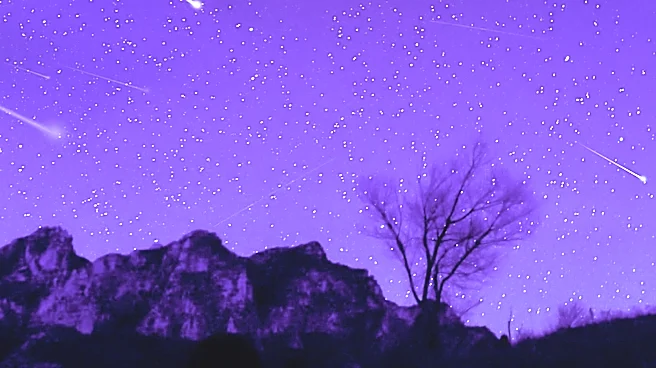
most impressive celestial displays, will be active from July 17 through Aug. 24. The meteors will steadily increase every night until they peak on the night of Aug. 12 and the early morning of Aug. 13, according to the American Meteor Society. Viewing conditions will be ideal this year because of the dark new moon during the peak.
For the best chance of spotting shooting stars, head outside in the early pre-dawn hours, when the shower’s radiant (the point in the sky from which the meteors appear to emerge) reaches its highest position above the horizon, making meteors easier to view. Under dark rural skies, observers could see about 30 to 50 shooting stars per hour.
Profile of Perseids bright fireball activity
This chart uses data from 2014 to 2020 to show expected levels of Perseid meteor shower activity; it does not take into account the effects of the sun, moon and clouds, according to NASA.
Where do the Perseid meteors come from?
Meteors originate from debris left behind by comets and fragments of broken asteroids. As comets orbit the sun, they shed dust that forms trails along their paths. Each year, when Earth moves through these streams of debris, the particles enter our atmosphere and burn up, producing the bright, colorful streaks of light we see in the night sky, according to NASA.
The Perseid meteor shower orientated from the Comet Swift-Tuttle, which was discovered by American astronomers Lewis Swift and Horace Tuttle in 1862, according to NASA. It takes Comet 109P/Swift-Tuttle about 133 years to make a single trip around the sun.
Tips to get the best views of the meteor shower
Follow these tips on how to catch the best views of a meteor shower, according to EarthSky:
- Location, location, location: Find a spot away from city lights, locate the radiant in the sky and get comfortable.
- No lights: Your eyes will need to adjust to the darkness, which could take 15 to 20 minutes.
- Dress for the weather: Bring blankets or a camping chair to make the viewing comfortable.
- Relax: Chill and take in the evening's sky. Not all meteor showers are spectacular.
CONTRIBUTING: Doyle Rice/USA TODAY
This article originally appeared on USA TODAY: Want the best Perseid meteor shower views? Here's the where and when