






For Gabrielle Union, it was how quickly the weight appeared. “It was 27 pounds in what felt like overnight,” the actress told Drew Barrymore during a conversation about perimenopause in 2023.
For actress and business owner Gwyneth Paltrow, it was discovering that the weight she once could lose easily had become more stubborn. Speaking on a podcast at age 48, she described how eating well and exercising used to help her bounce back after a slump, but “that was not happening over the past year."
And for model Paulina Porizkova, it was similarly finding that an aging-related surgery and "hit(ting) the 'postmenopause bump'" caused her to gain an unwanted 15 pounds, despite trying to eat well and be active.
Their experiences may sound familiar, as "weight
gain is very common in mid-life,” says Dr. Michael D. Jensen, an endocrinologist and obesity researcher at Mayo Clinic. But understanding why this happens – and why it isn’t inevitable – can help you adjust your habits to stay strong, move comfortably and keep doing the things you enjoy no matter how many candles are on your birthday cake.
How does your body change as you age?
One of the first clues that your body is changing as you age is realizing that your clothes fit differently than they used to. This happens, in part, because as we move through middle age, we tend to lose some muscle while gaining body fat – particularly around the waist, explains Rozalyn Anderson, a professor of medicine and aging researcher at the University of Wisconsin-Madison. "These are subtle changes that can make themselves known gradually over time,” she says.
Think less definition in your arms, a softer middle or reduced strength in your legs – changes that can affect everyday tasks like climbing stairs and getting up from a low chair. And carrying groceries or lifting a grandchild may take more effort because “most of the loss of strength with age is related to loss of muscle mass,” Jensen explains. Changes in how nerves activate muscles can affect strength, too.
Women experience a decline in estrogen during menopause, which accelerates bone loss and can contribute to changes in body composition. And “testosterone goes down with aging in men, which may also play a role in reducing muscle mass,” Jensen says.
He adds that other bodily changes such as reduced flexibility in muscles and tendons and stiffer joints can also make you feel less limber and more hesitant to move. Changes in connective tissue and thinning of the cartilage that cushions joints can contribute as well. Bone density can als decline, notes Anderson, particularly after menopause.
Balance can also become a concern and can be affected by changes in vision, muscle strength and the inner-ear system that helps you sense your position and movement. Of course, "it is still possible to maintain good balance with age, but it requires more training and practice than it did when you were younger,” Jensen says.
Why is it harder to maintain a healthy weight as you get older?
Along with such changes that happen in your muscles and joints, building muscle may take more deliberate effort than it did when you were younger, as studies show that older muscles can become less responsive to the protein you eat, while age-related aches and pains may also make it harder to train as intensely.
Overall levels of physical activity decline as well, in part as children grow up and no longer keep us moving; work becomes more sedentary or daily routines give us fewer reasons to get out the door. “The constant motion of youth is underrated,” Anderson says, "and the slow creep of doing less physically often goes unnoticed.”
Sometimes, age-related levels of inactivity can also be caused by an injury that forces us to spend more time sitting or lying down. Sometimes such injuries happen due to everyday activities, while others may have been “sustained in youth that flare up only later in life,” Anderson explains.
At the same time, the aforementioned age-related hormonal changes can also affect where the body stores fat and how much muscle it maintains. Our metabolism changes as well, though not necessarily when people assume it does. For example, while research shows that daily calorie burning - after accounting for body size and composition - remains broadly stable from about ages 20 to 60, it does decline in later life.
Other dietary factors, such as more time and money to engage in more frequent snacking, eating out or alcohol consumption, can add up, too. Because of these and other related items, “if eating habits don’t change as you get older, gaining body fat is highly likely,” Jensen explains.
How can you stay healthy as you age?
Still, “weight gain is not inevitable,” Anderson stresses, and recognizing the changes you need to navigate gives you a place to start making adjustments.
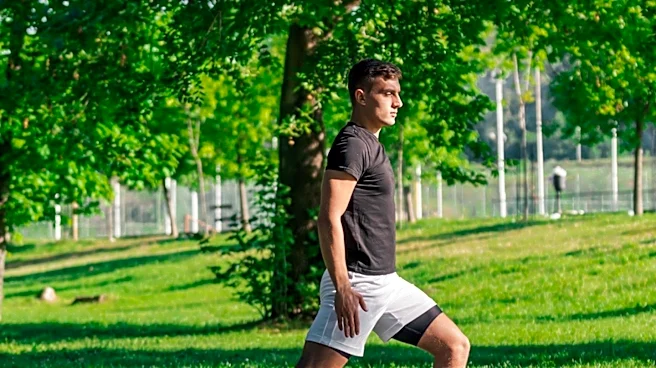
One of the most important of these is to consciously increase physical activity, which is why the U.S. Centers for Disease Control and Prevention recommends that adults 65 and older get at least 150 minutes of moderate-intensity aerobic activity or 75 minutes of vigorous activity each week, along with muscle-strengthening activities on at least two days.
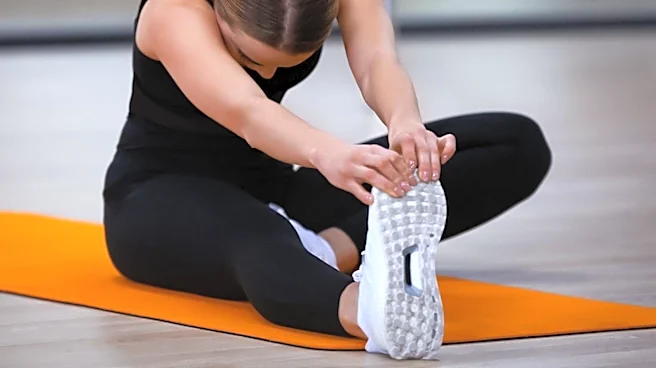
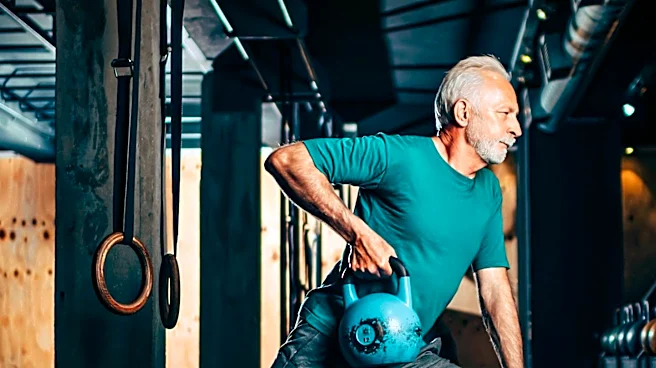
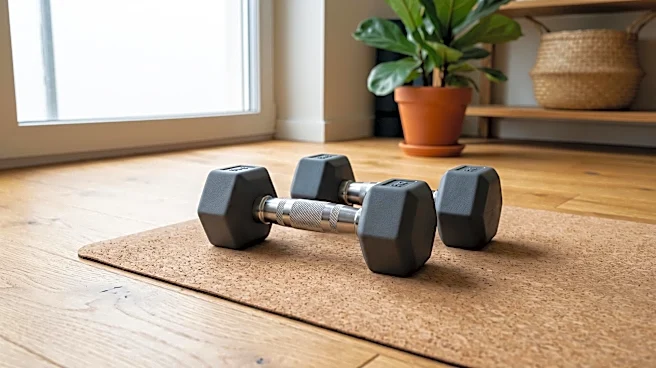
The strength-training component is especially important as resistance bands, hand weights and exercises that use your own body weight can help preserve muscle and make everyday movements easier. “My advice for older adults who are willing to put in the effort is to add resistance training, core strength training, stretching and balance exercises to their routine,” Jensen says.
All that doesn’t mean you have to join a gym, as the goal should be “a consistent output" and regular movement you can actually sustain and build on, says Anderson.
Be more mindful of what you eat, too, as the U.S. National Institute on Aging recommends increasing protein intake as you age to help maintain muscle, along with eating a variety of other nutritious foods. "Think eggs or yogurt at breakfast, beans or fish at lunch and plenty of fruits, vegetables and whole grains throughout the day," says Jensen.
A combination of these two approaches can be especially helpful when weight loss is appropriate. A clinical trial found that adults 65 and older with obesity who combined dietary weight loss with both aerobic and resistance exercise improved physical function more than those who paired weight loss with either type of exercise alone - though Jensen stresses the need to speak with a licensed medical provider before making any healthcare decisions.
And remember that “what works for one person may not work for another,” Anderson says. That might mean trying water aerobics when walking bothers your knees or finding a resistance-band routine you can do at home instead of relying on equipment only available at the gym. "The key is consistency across disciplines," she says.
In the end, "the same old guidance of staying active and maintaining a healthy body weight still stands,” Anderson adds. “Your grandparents may well have given that same advice, but the difference now is we have a much better understanding of why that is.”
This article originally appeared on USA TODAY: They were ready to embrace aging. They didn’t anticipate these physical changes