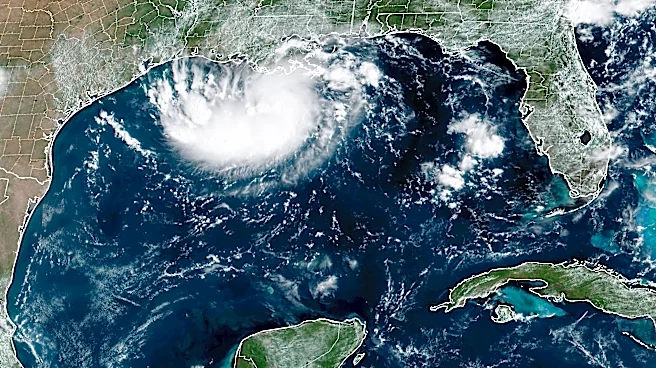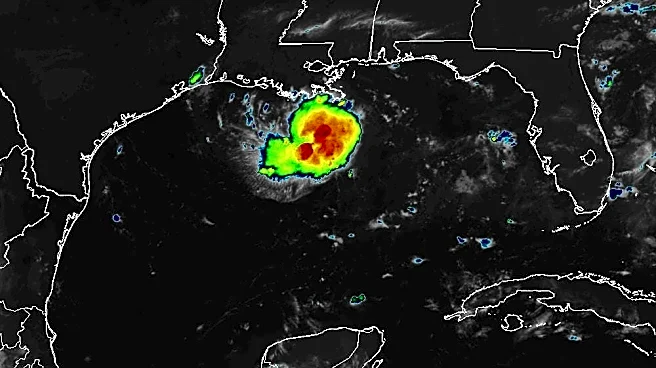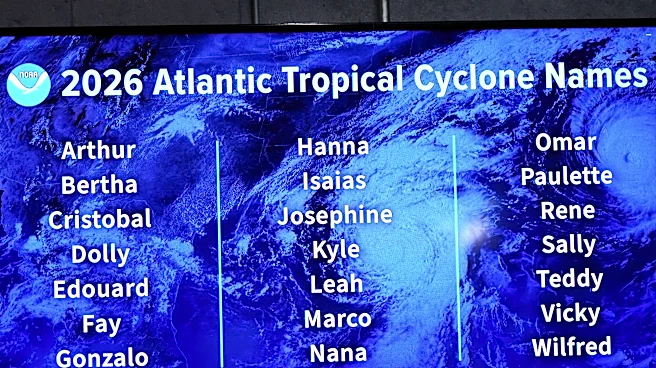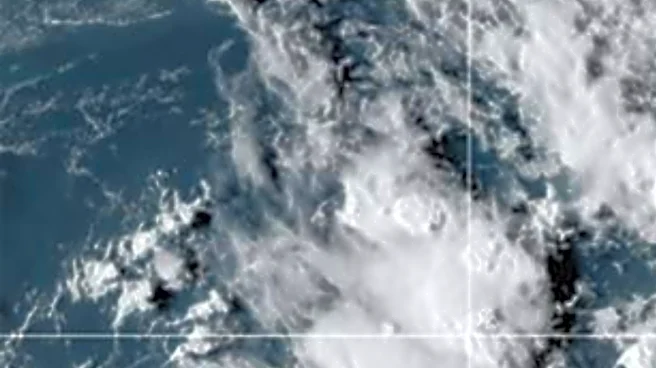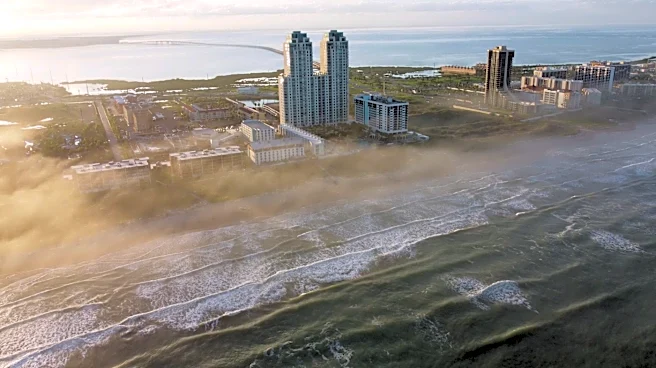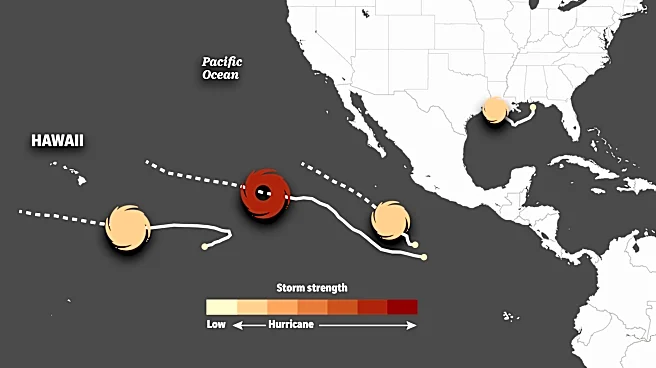


Two hurricanes and two tropical storms were active across the Pacific and Gulf on Sept. 1, as Tropical Storm Edouard made landfall along the Texas and Louisiana coasts.
Though the visual may look alarming,
the occurrence of four active storms in Pacific and Atlantic basin is certainly not uncommon, said Nick Arman, meteorologist for AccuWeather.
"September is generally the climatological peak of the Atlantic hurricane season (September 10th to be exact), and September is also usually a fairly busy month for tropical activity in the eastern and central Pacific basins," said Arman.
Storm activity in the Pacific likely linked to El Niño
Storm activity in the Pacific is very likely linked to a strong El Niño, Arman said. "The El Niño phase, which favors much more rising air, warmer waters and less hostile winds in the Pacific basin, helps foster more tropical development during the hurricane season, as well as stronger storms."
The central and eastern Pacific has seen 15 named storms this season so far:
El Niño is 'hostile for tropical development' in the Atlantic, Gulf storms more likely
El Niño brings wind shear and sinking air over the Atlantic Ocean, which is hostile for tropical development, said Arman.
"During El Niño seasons the Main Development Region (MDR) in the open Atlantic is often much less active given this wind shear and sinking air, which means tropical development that brews in the Gulf, such as Tropical Storm Edouard, are more likely to occur," Arman said.
Many tropical waves this season that moved off the west coast of Africa struggled to develop given these El Niño conditions, Arman said. "El Niño often favors not only less storms, but also less intense storms should they develop."
Where hurricanes and tropical storms are tracking today
Be sure to stay alert by following local news broadcasts, hurricane watches and warnings and updates from the National Hurricane Center as a storm approaches. Prepare in advance by packing an emergency go bag and reviewing your evacuation plans. Find the latest forecasts, safety updates and preparedness tips below to help protect yourself, your family, your pets and your home.
The Saffir-Simpson Hurricane Wind Scale is a 1 to 5 rating based only on a hurricane's maximum sustained wind speed, according to the National Oceanic and Atmospheric Administration. It is important to note that it does not account for other deadly hazards such as storm surge, rainfall flooding and tornadoes. Hurricanes of all categories can produce deadly storm surge, rain-induced floods and tornadoes. These hazards require taking proactive protective action, including evacuating from areas vulnerable to storm surge.
Hurricane categories and wind scale
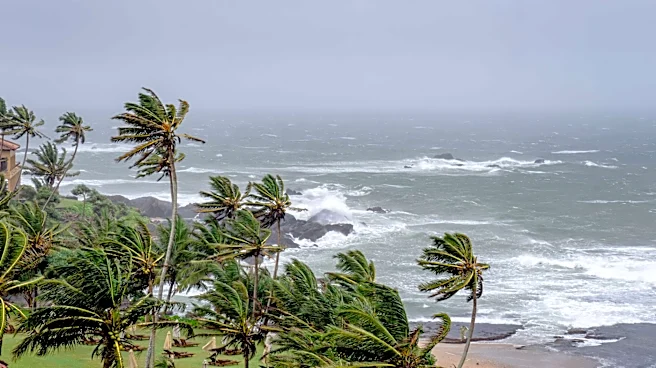
The scale is mainly intended to help estimate the potential for property damage. While all hurricanes produce life-threatening winds, those that reach Category 3 and above are defined as as major hurricanes. Major hurricanes can cause wind damage ranging from devastating to catastrophic and significant loss of life from their winds alone. In the western North Pacific, the term "super typhoon" is used for tropical cyclones with sustained winds exceeding 150 mph.
- Category 1 (74-95 mph): Dangerous winds can cause some damage. Roof shingles, gutters and siding may be damaged. Large branches can break, some trees may fall and power outages can last a few days.
- Category 2 (96-110 mph): Extremely dangerous winds can cause extensive damage. Homes may suffer major roof and siding damage. Trees can be uprooted, roads may be blocked and power outages can last from days to weeks.
- Category 3 (111-129 mph): Devastating winds can cause major damage to homes, including parts of roofs being torn off. Many trees will fall, roads may become impassable and power and water could be unavailable for days or weeks.
- Category 4 (130-156 mph): Catastrophic winds can severely damage homes, removing much of the roof and some walls. Most trees and power poles will be knocked down. Power outages may last weeks to months and some areas could be unlivable for an extended time.
- Category 5 (157+ mph): Catastrophic winds can destroy many homes. Roofs and walls may collapse, trees and power poles will be downed and entire neighborhoods may be isolated. Power outages could last for weeks or months and affected areas may be uninhabitable for a long time.
Other related stories to help keep you safe
Emergency preparedness 101: What to pack in a "go bag"
How to prepare your house: The ultimate hurricane checklist
How to evacuate a disaster with pets: Graphics show you how to plan, what to pack
What is storm surge? See how the deadly phenomena works
How do hurricanes form? An inside look at the birth and power of ferocious storms
This article originally appeared on USA TODAY: Storm tracker: Projected paths of all 4 named storms in Gulf, Pacific